Next-Gen Learning for a Skilled India
SKILL-eLABS
Project Background & Motivation
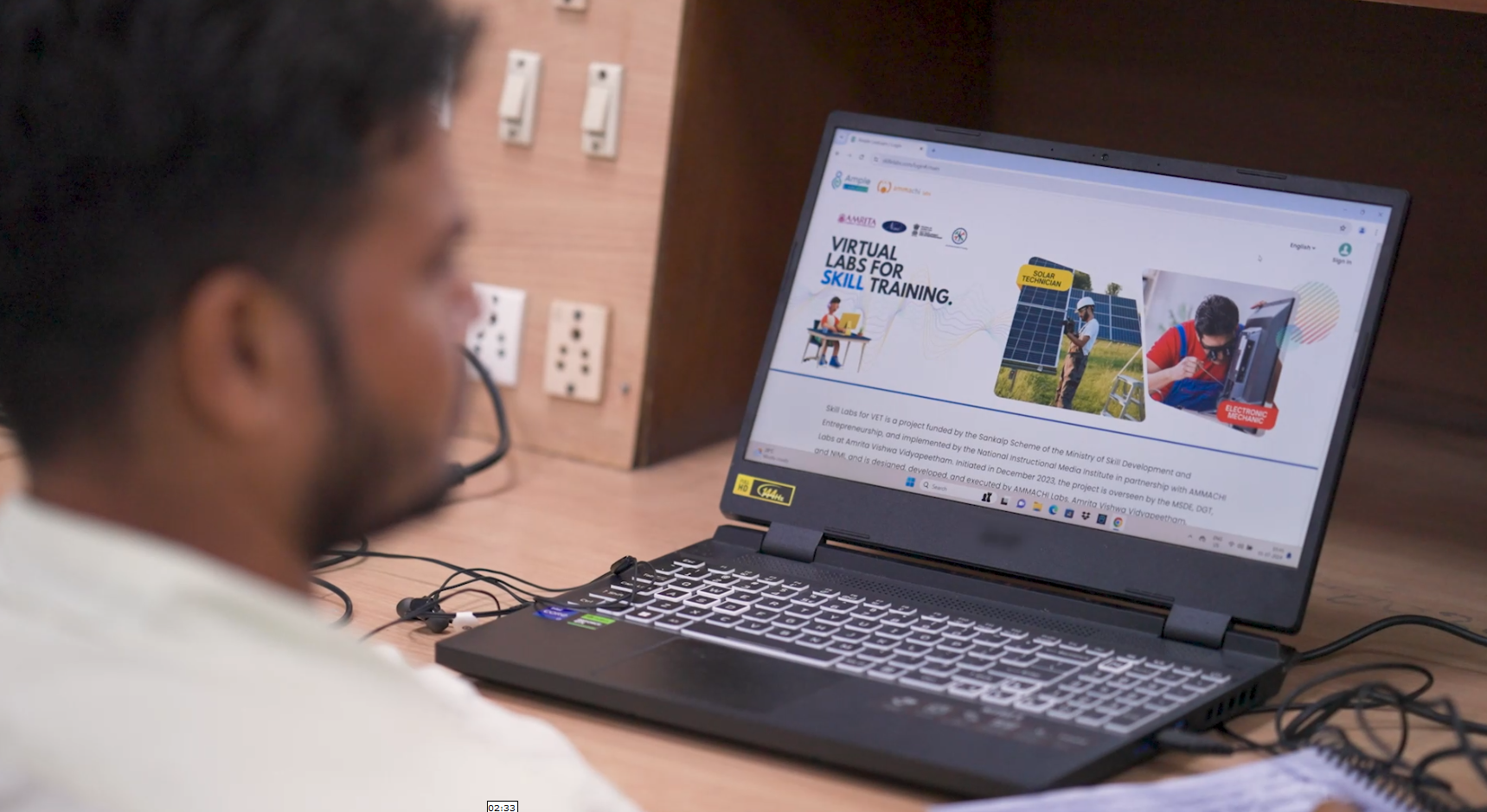
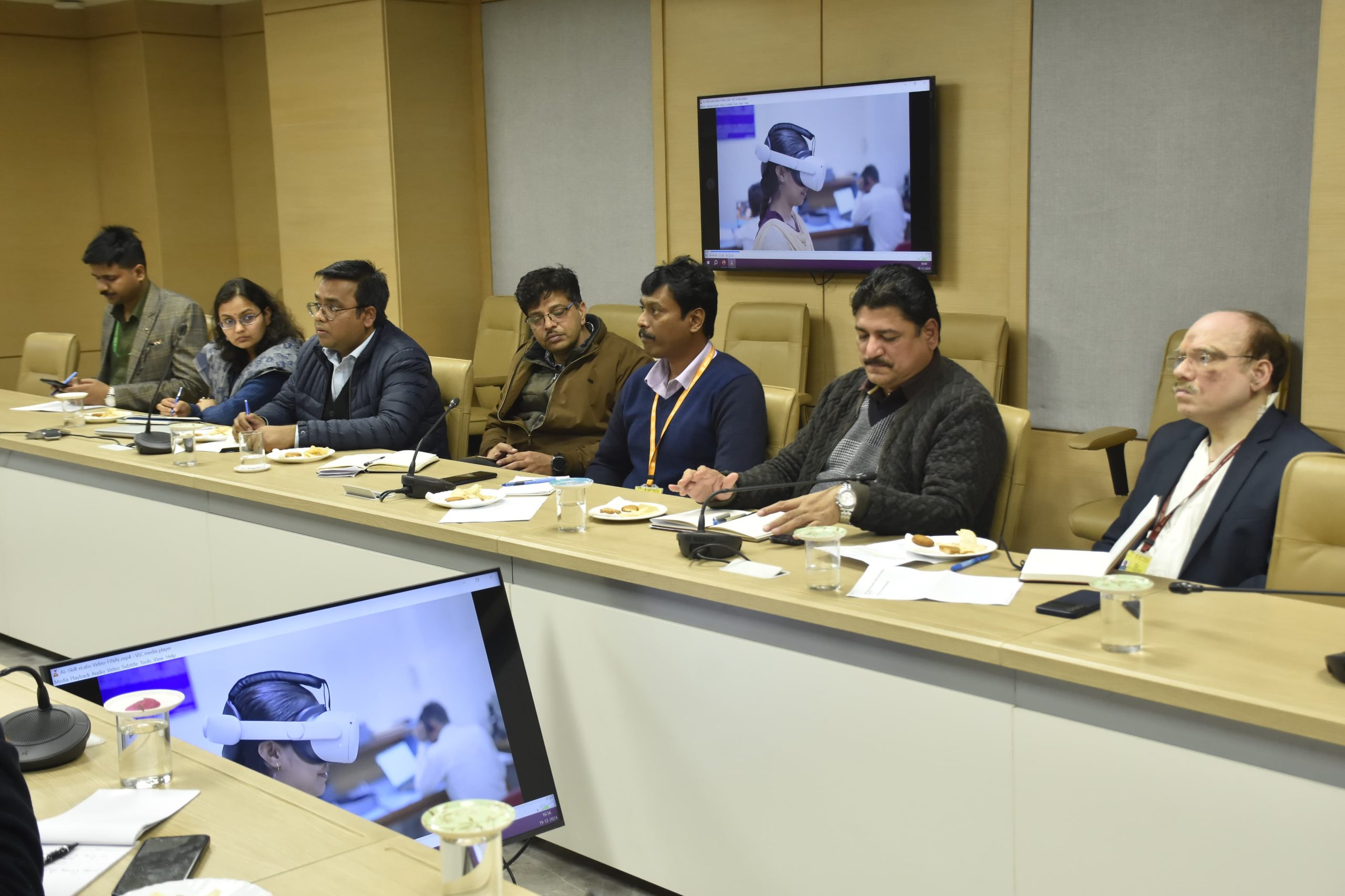
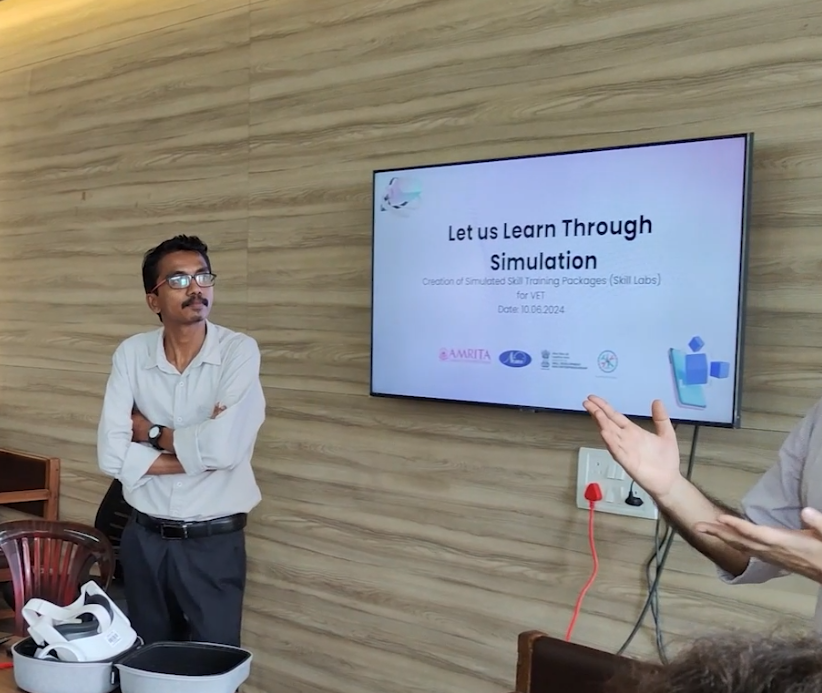
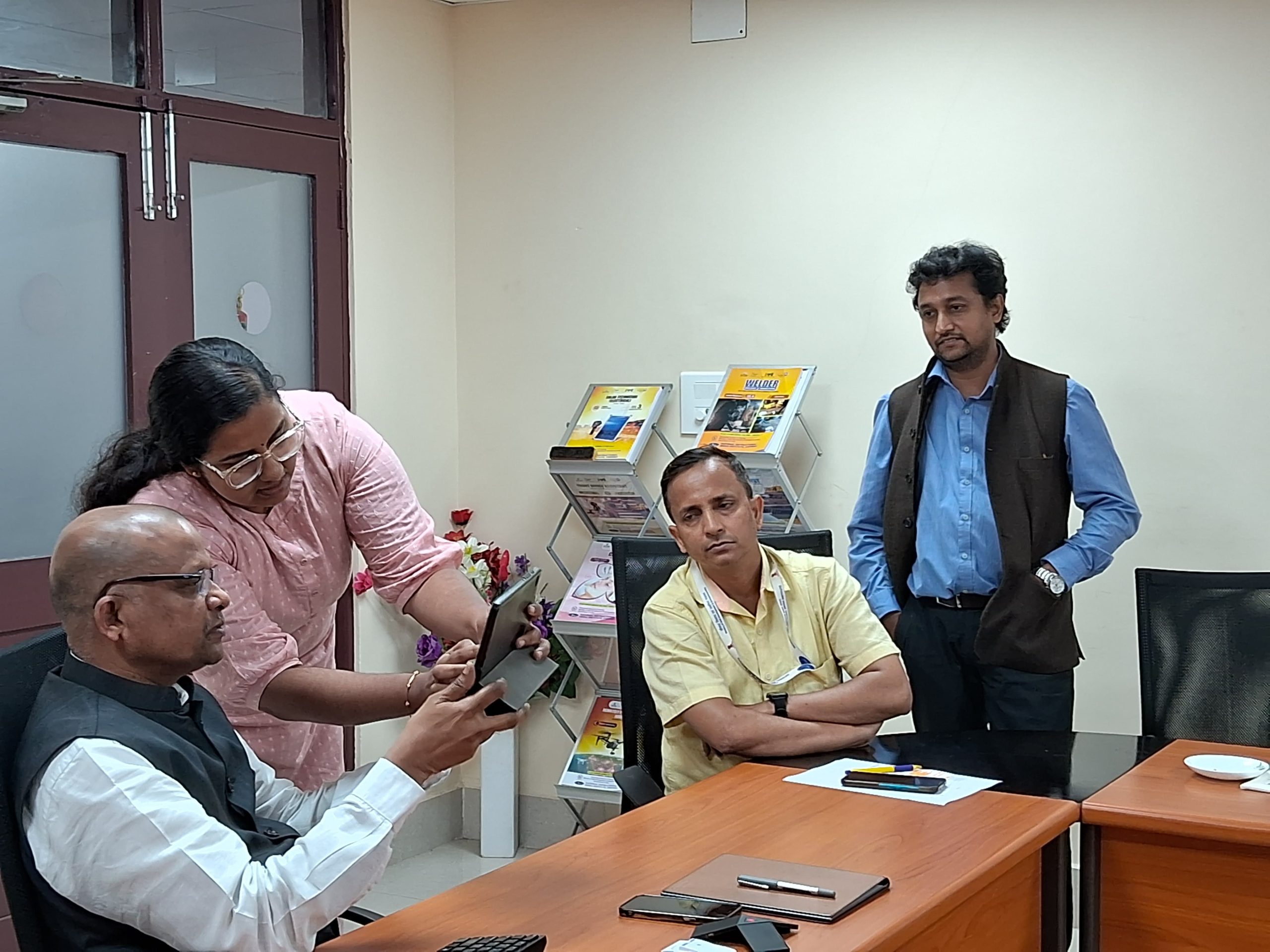
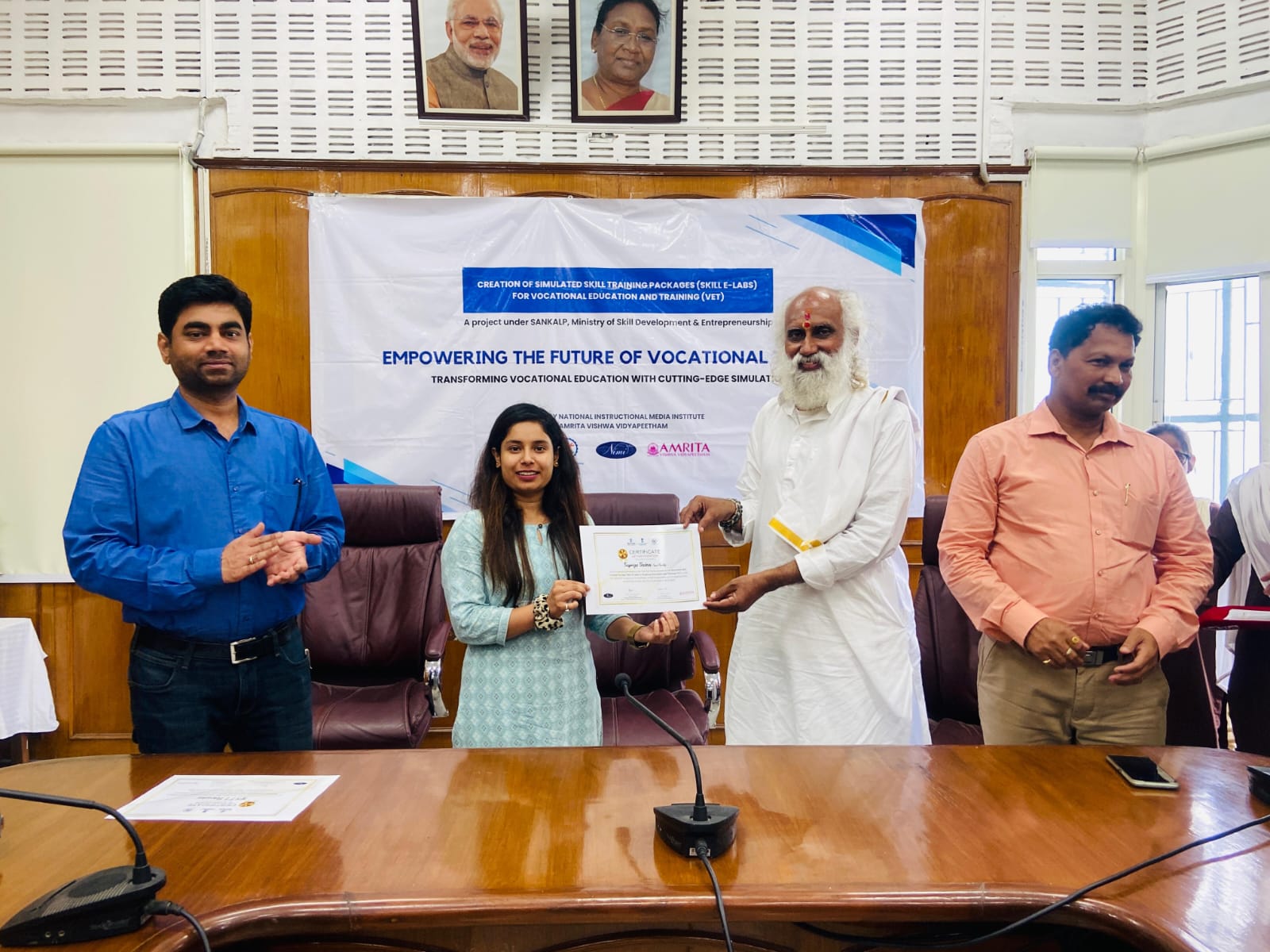
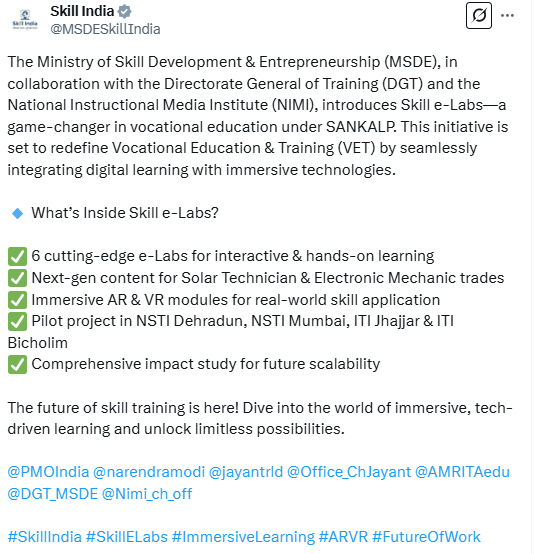
Launched in December 2024 under the SANKALP initiative, the Skill-eLabs project is a collaborative endeavour by the Ministry of Skill Development & Entrepreneurship (MSDE), in partnership with the Directorate General of Training (DGT) and the National Instructional Media Institute (NIMI). The project has been implemented by AMMACHI Labs. An expert committee—comprising representatives from MSDE, DGT, NIMI, National Skill Training Institutes (NSTIs), and subject matter specialists—provided strategic direction and reviewed project deliverables throughout its lifecycle.
India’s vocational education landscape presents both significant challenges and promising opportunities. Despite increasing interest in digital learning, there is a noticeable gap in research examining the effectiveness of learning technologies in advancing skill development. This underlines the urgent need for evidence-based insights to guide the national integration of impactful digital solutions. Establishing a solid foundation is essential to fully harness the benefits of these technologies.
In response, the Skill-eLabs project was conceptualised to strengthen vocational education through the integration of technology-enhanced learning. Its aim is to build a scalable and sustainable framework for delivering industry-relevant skills, thereby fostering a future-ready workforce. A pilot implementation, along with an impact evaluation, was conducted to assess improvements in student learning outcomes, skill acquisition, and self-confidence. The project also collected valuable feedback from instructors on the usability and adoption of the learning tools.
-
Project Title
SKILL-eLABS
-
Project Tagline
Next-Gen Learning for a Skilled India
-
Dept/Centre/Lab
AMMACHI Labs
-
TAG
Innovative Pedagogies and Next-Gen Learning: Advancing, AI, XR, and Simulation Technologies in Education
-
Project Incharge(s)
Principal Investigator: Dr.Bhavani Rao, Director-AMMACHI Labs Co- Principal Investigator: Mr. Ajay Balakrishnan, Associate Director – AMMACHI Labs
-
External Collaborators
SANKALP,MSDE Directorate General of Training, MSDE National Instructional Media Institute, MSDE
-
Project Start and Completion Dates
19th Dec 2023 to 19th Dec 2024
-
Project Funding Agency
National Instructional Media Institute, Ministry of Skill Development and Entrepreneurship
-
Project Funding Amount
78 Lakhs INR
Project Implementation
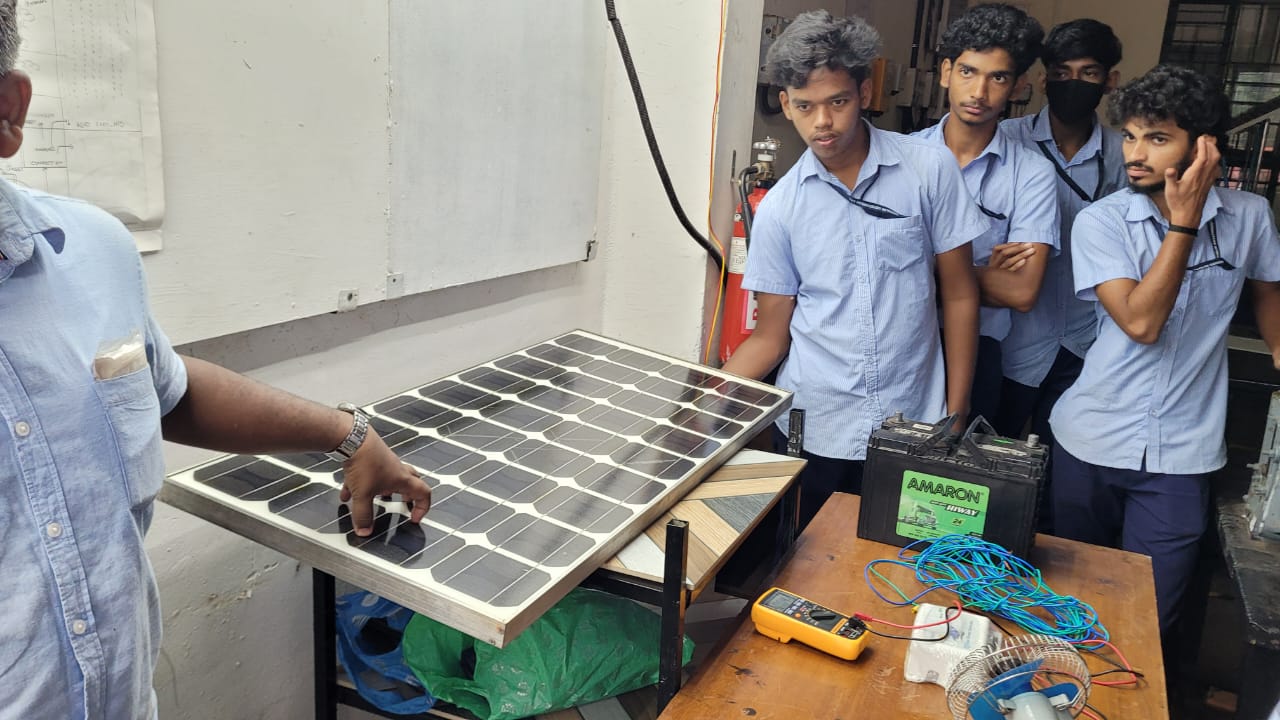
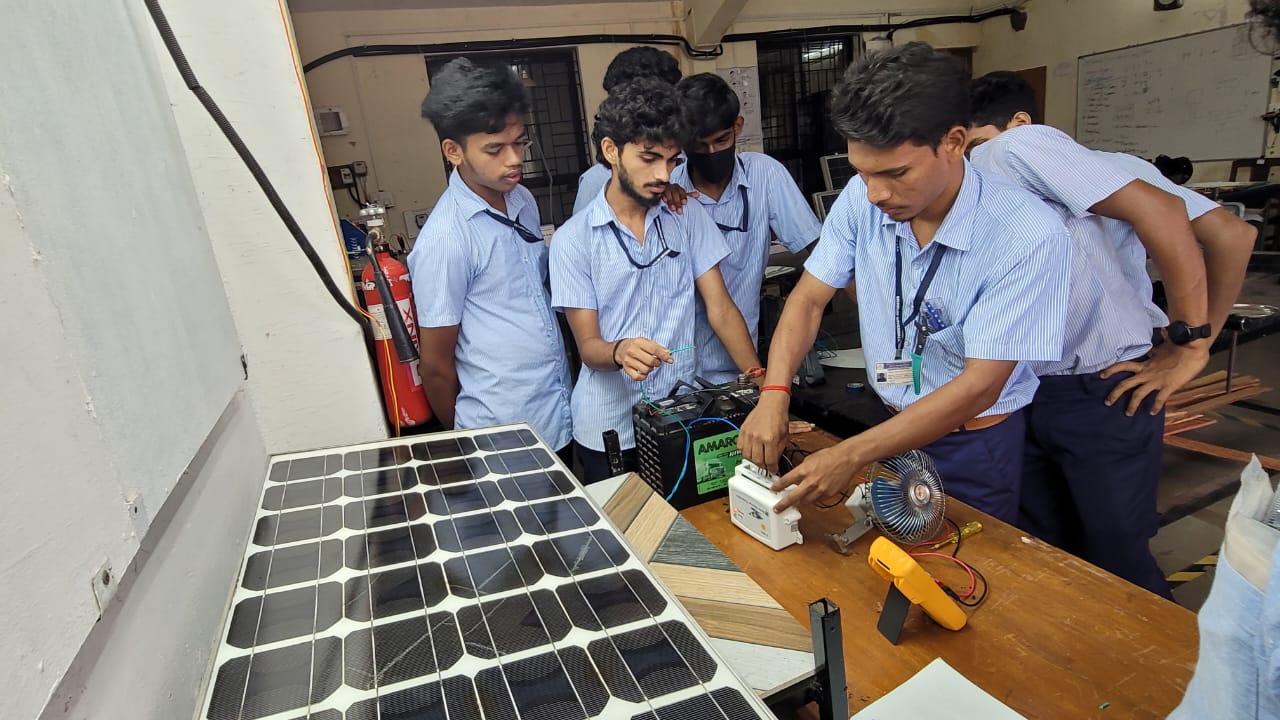
- Designed and developed six comprehensive Skill-eLabs packages for two high-priority trades: Solar Technician and Electronics Mechanic.
- Designed a research study to guide the implementation and conduct an impact evaluation.
- Released the Skill-eLabs packages in both English and Hindi to ensure wider accessibility and reach.
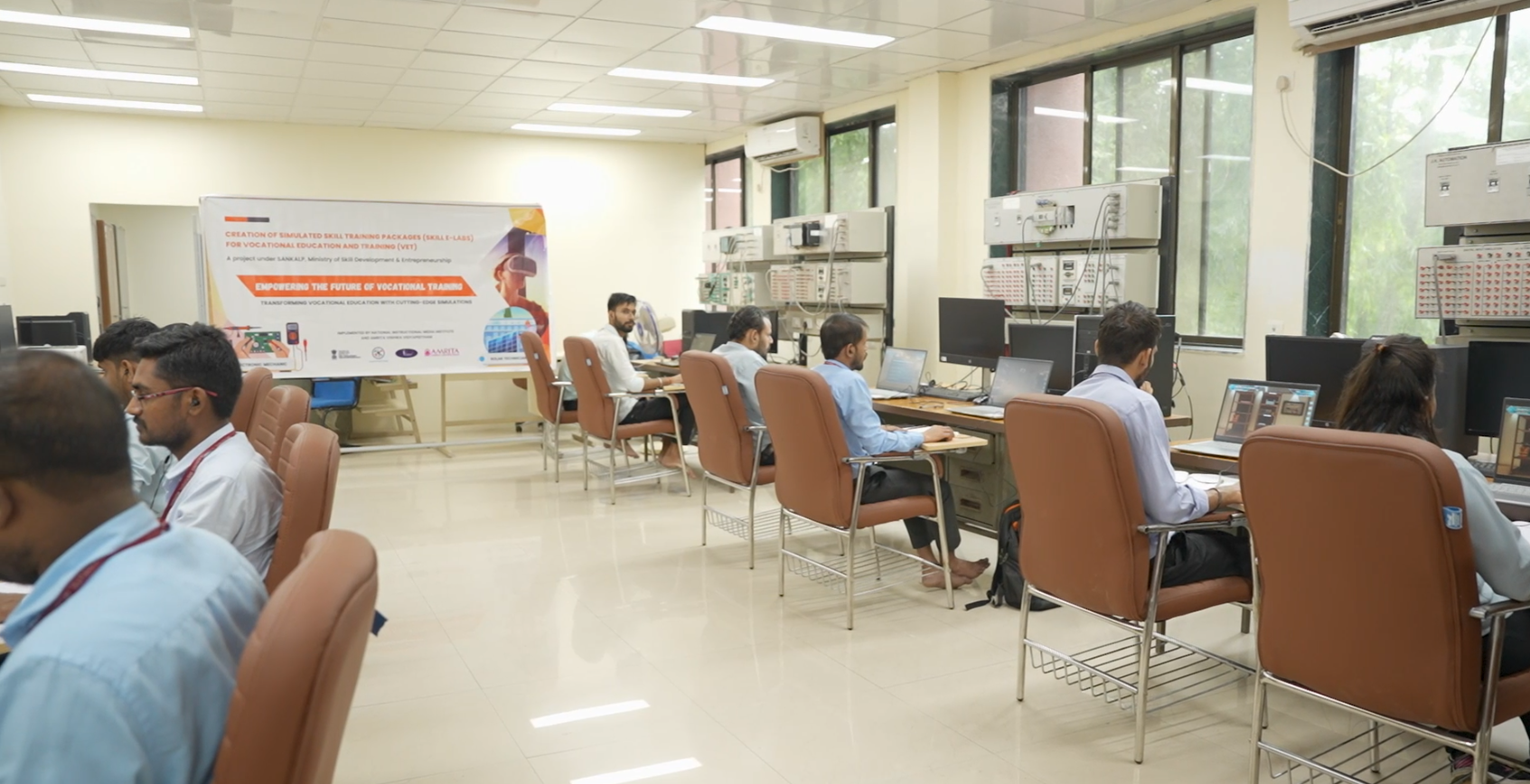
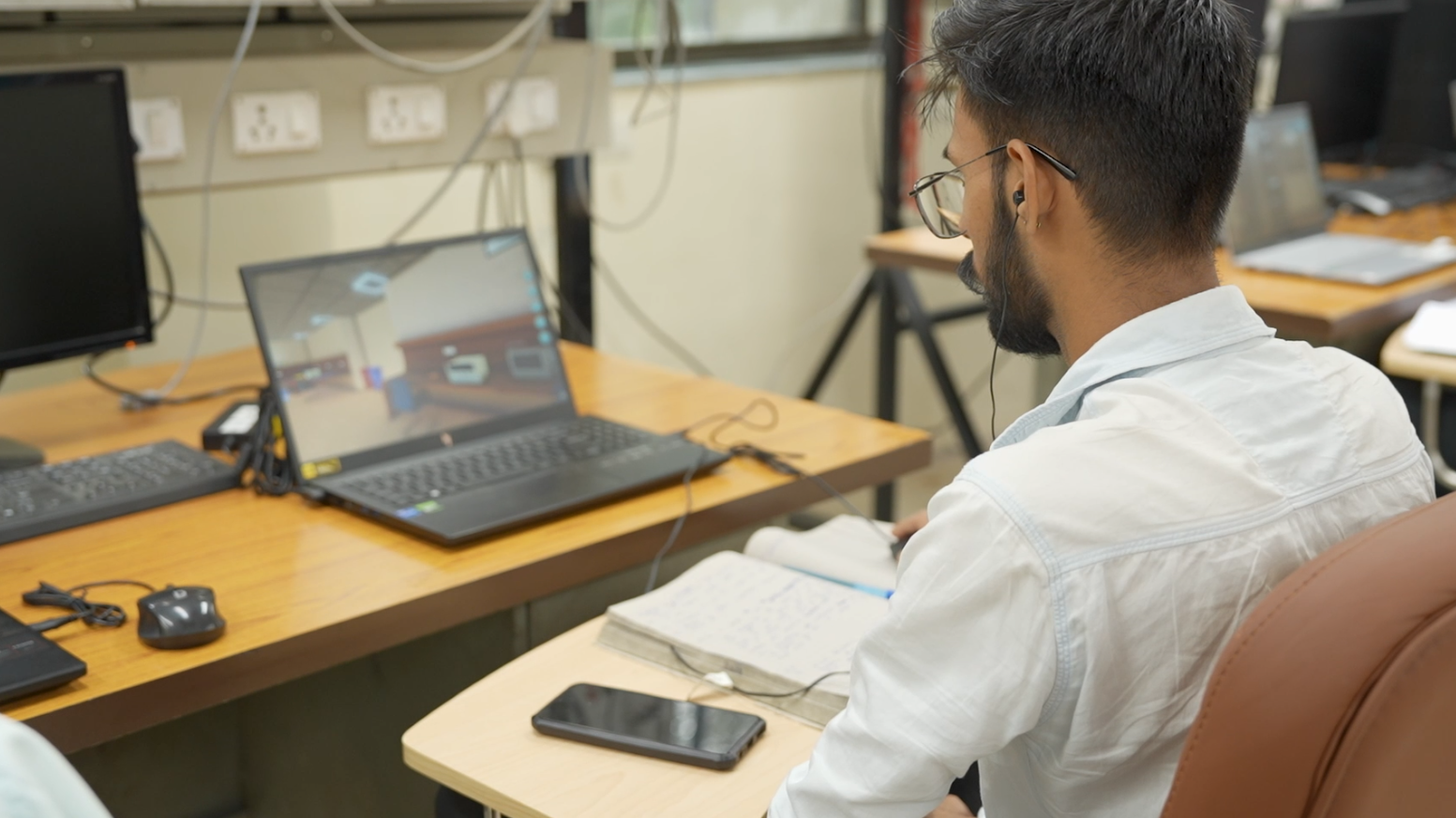
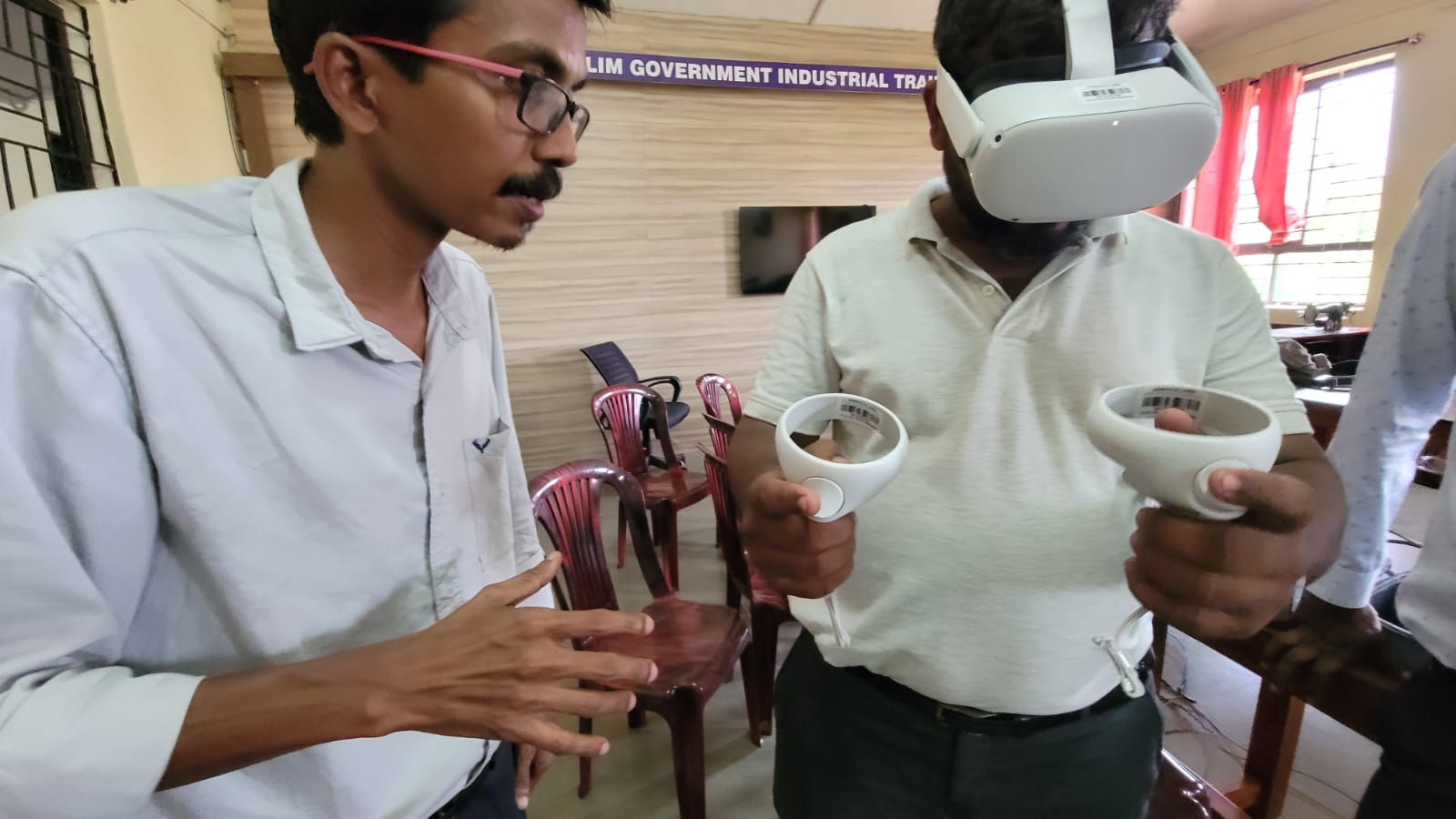
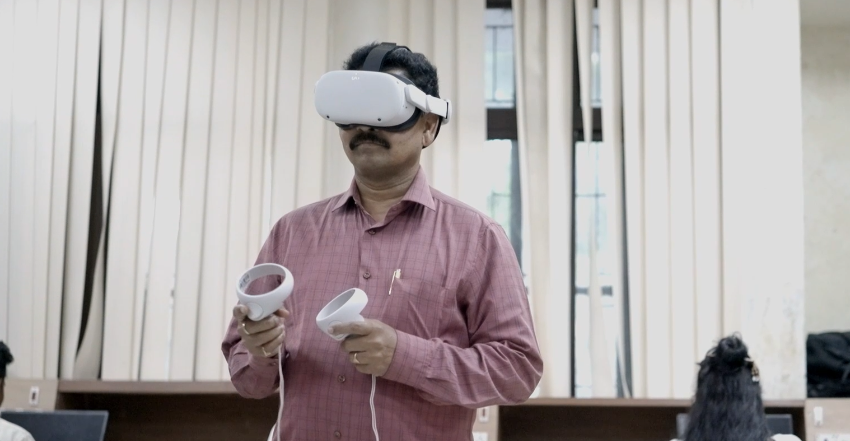
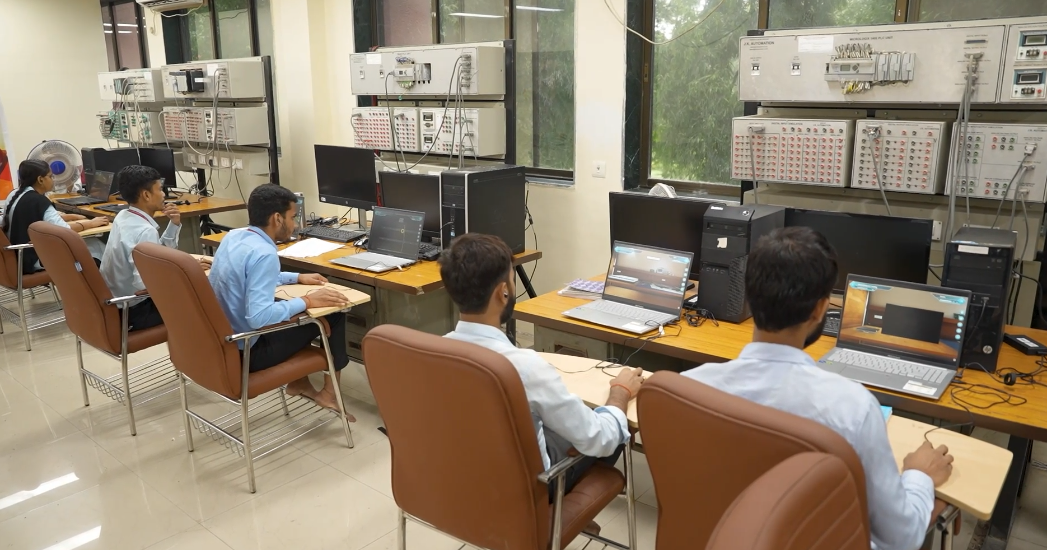
- Supplied necessary equipment—including VR-enabled desktops and headsets—to each of the pilot institutions.
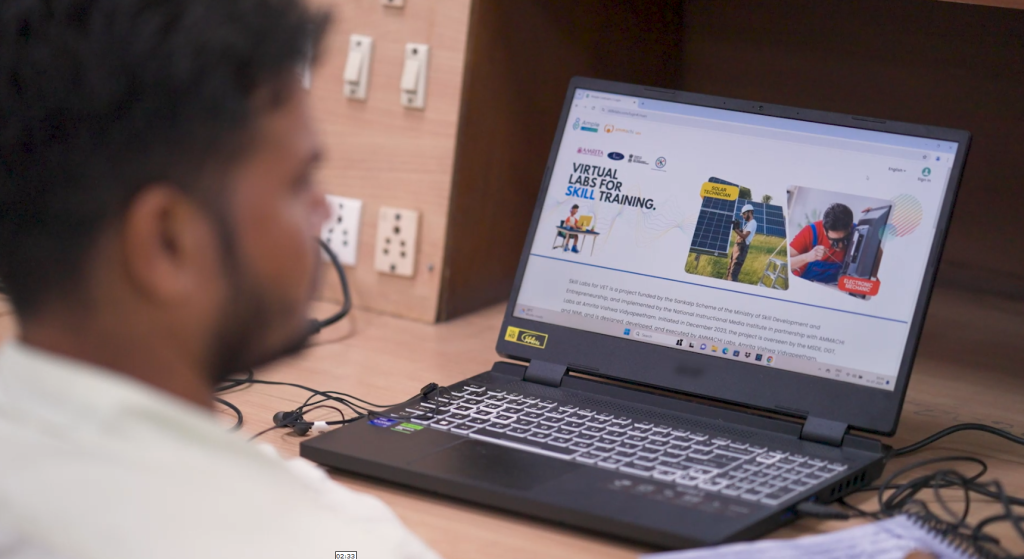
- Developed interactive learning modules and made them available to students and instructors via Amrita’s AMPLE Learning Management System (LMS) integration.
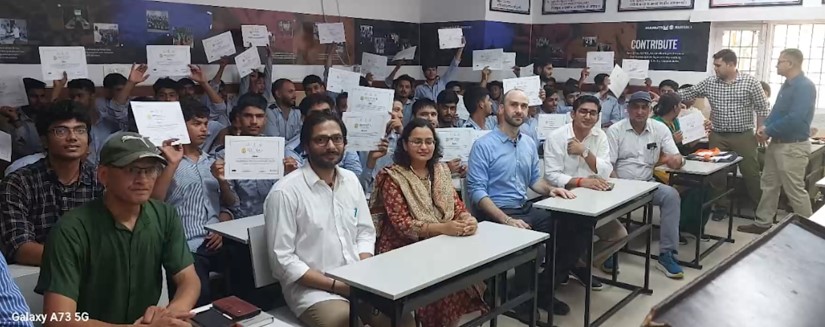
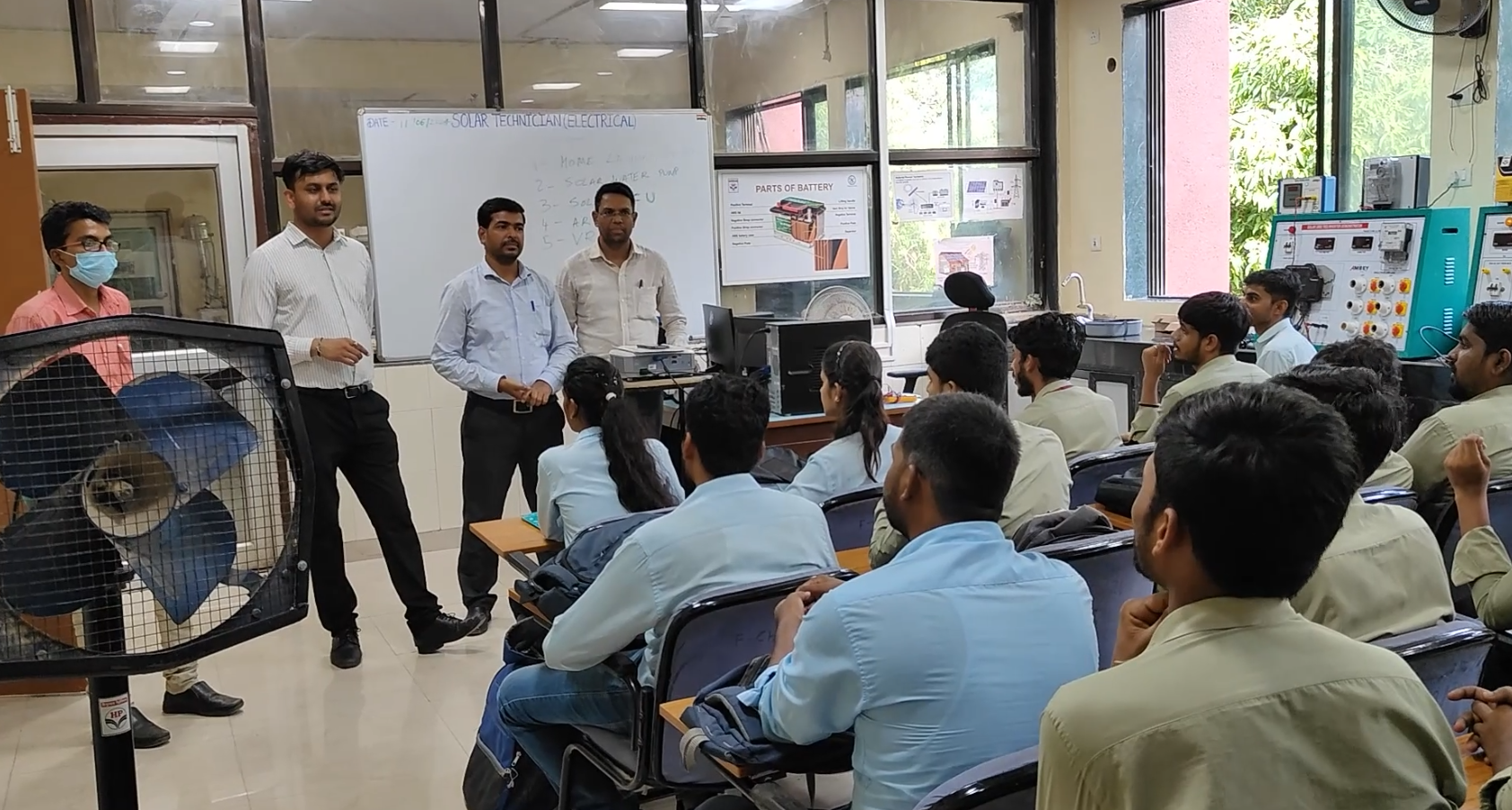
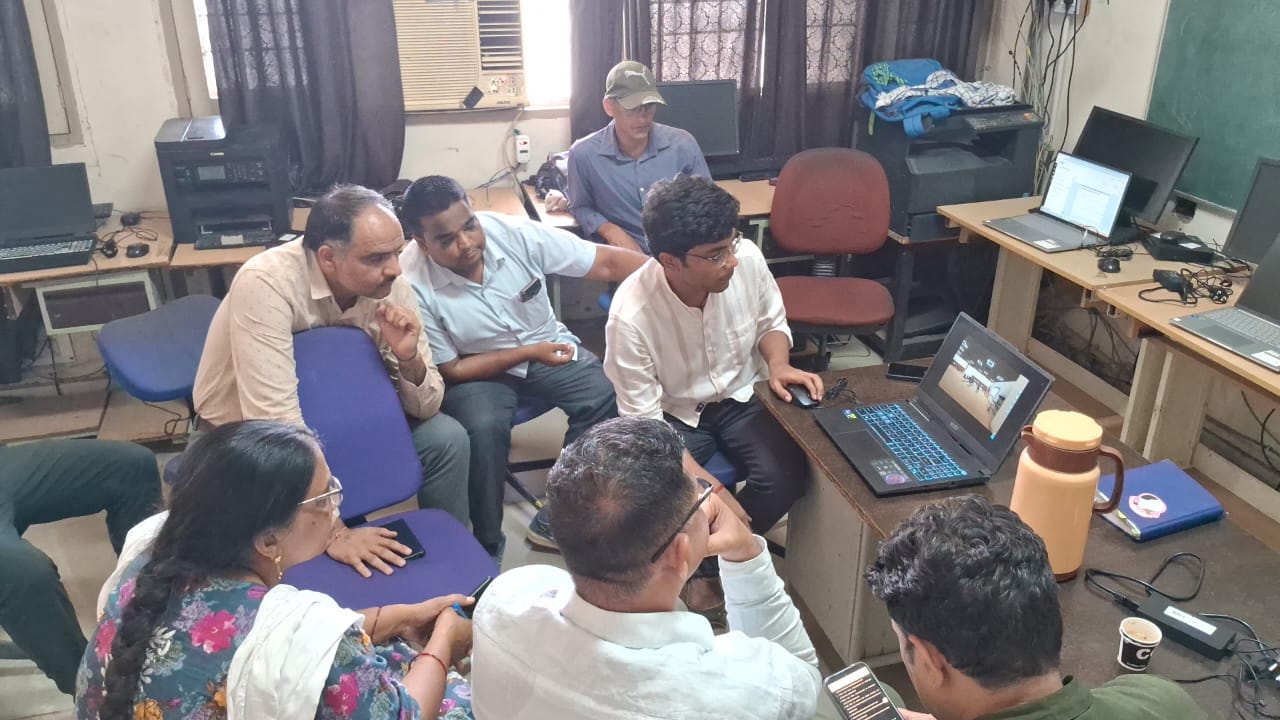
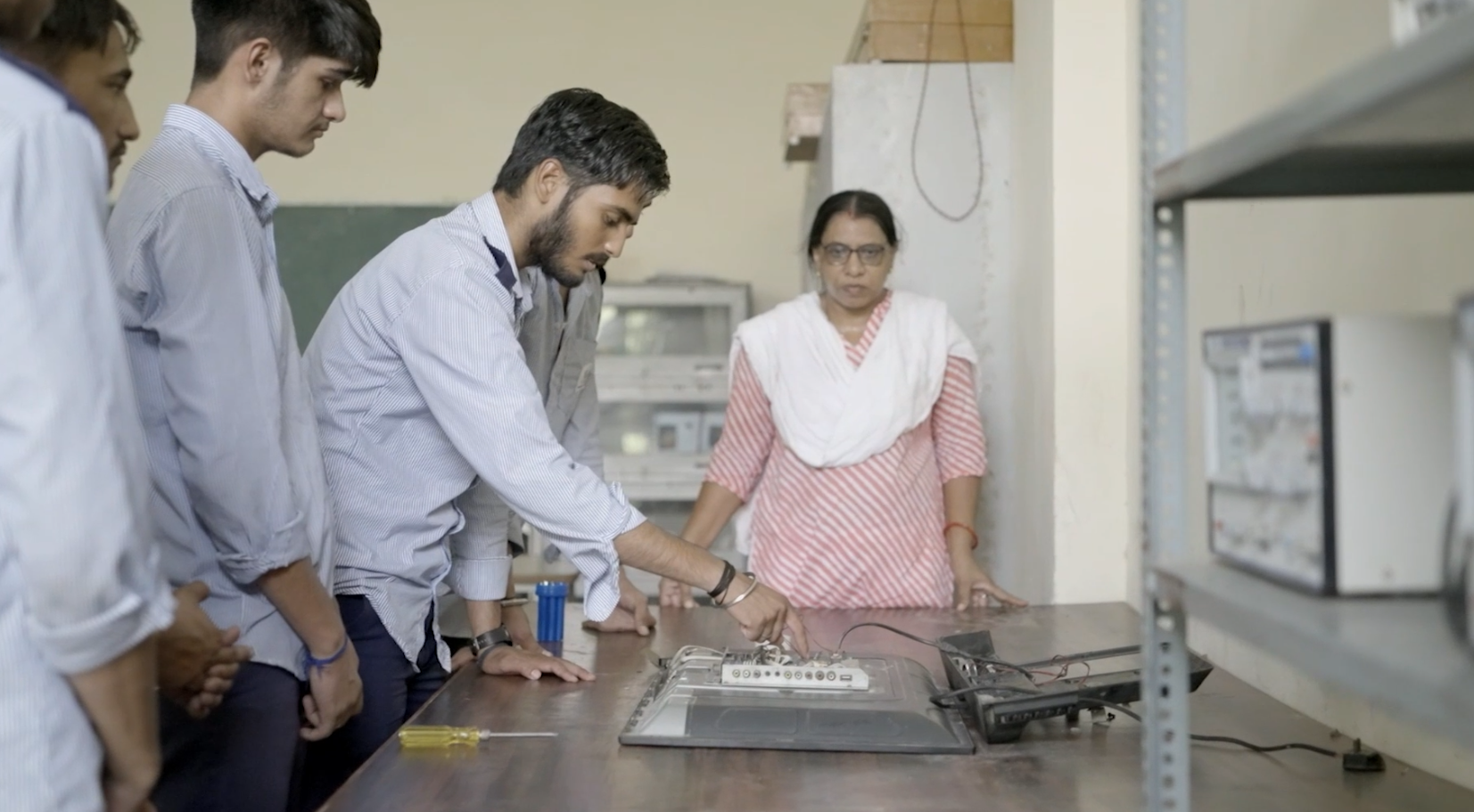
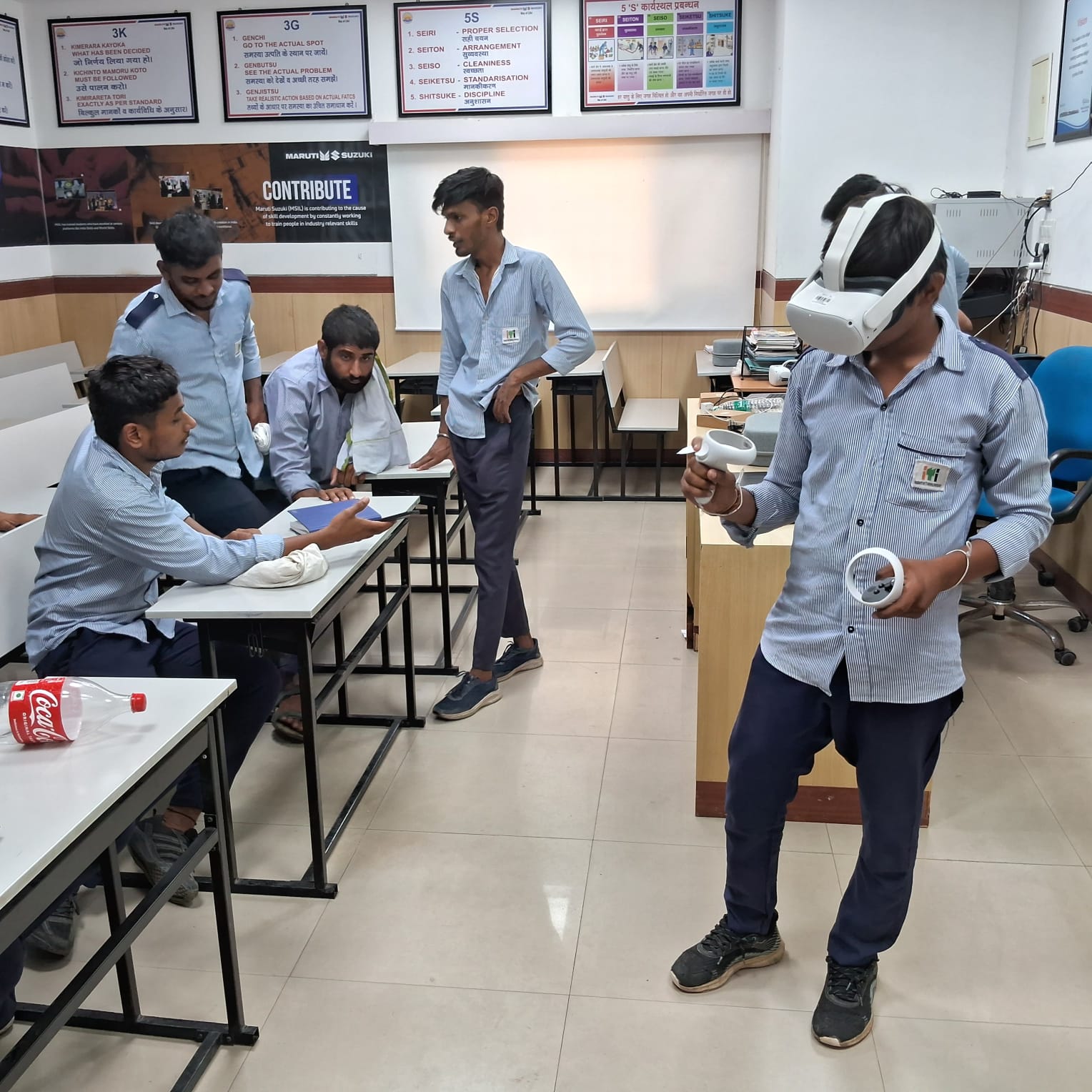
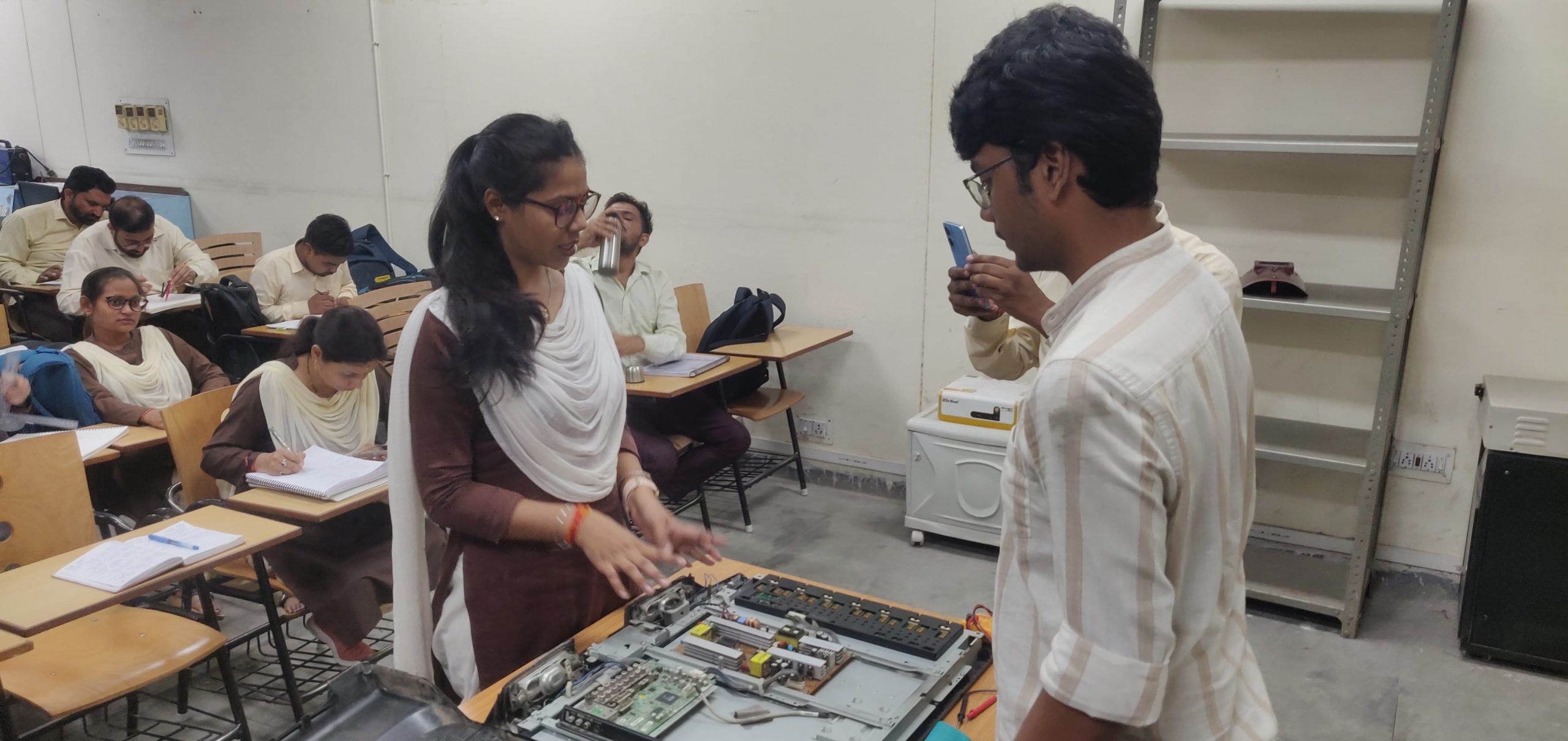
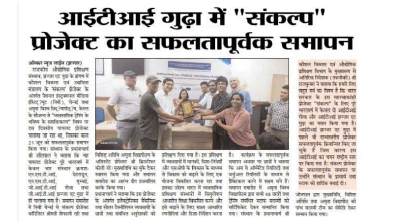
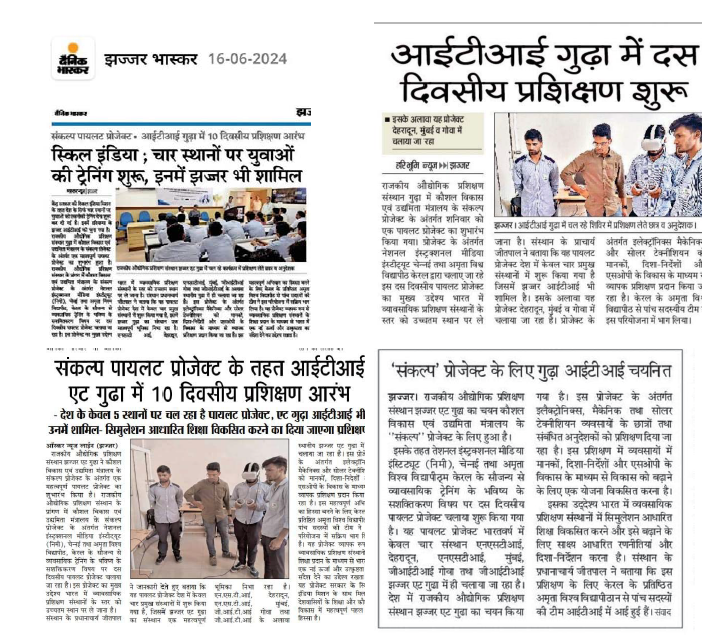
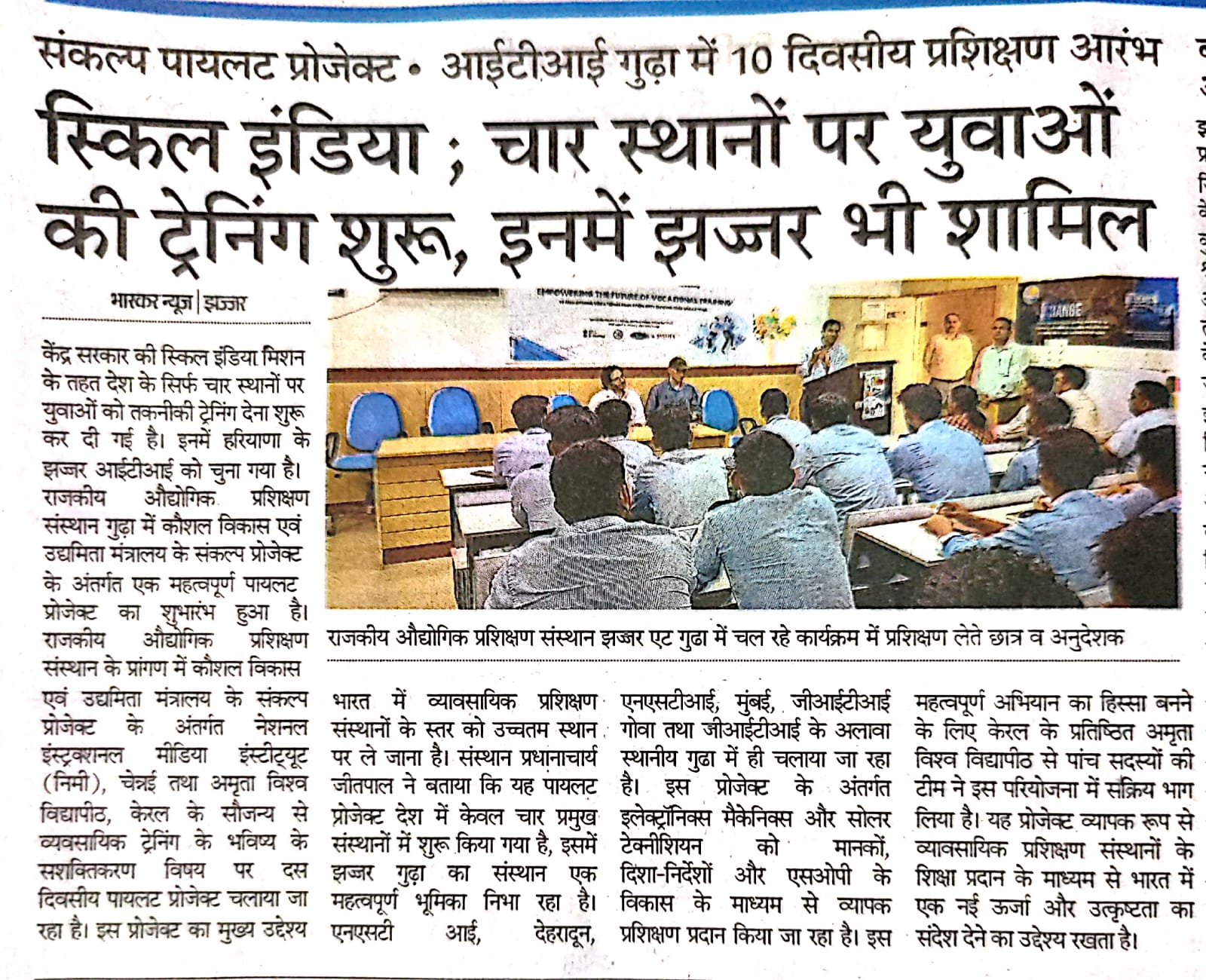
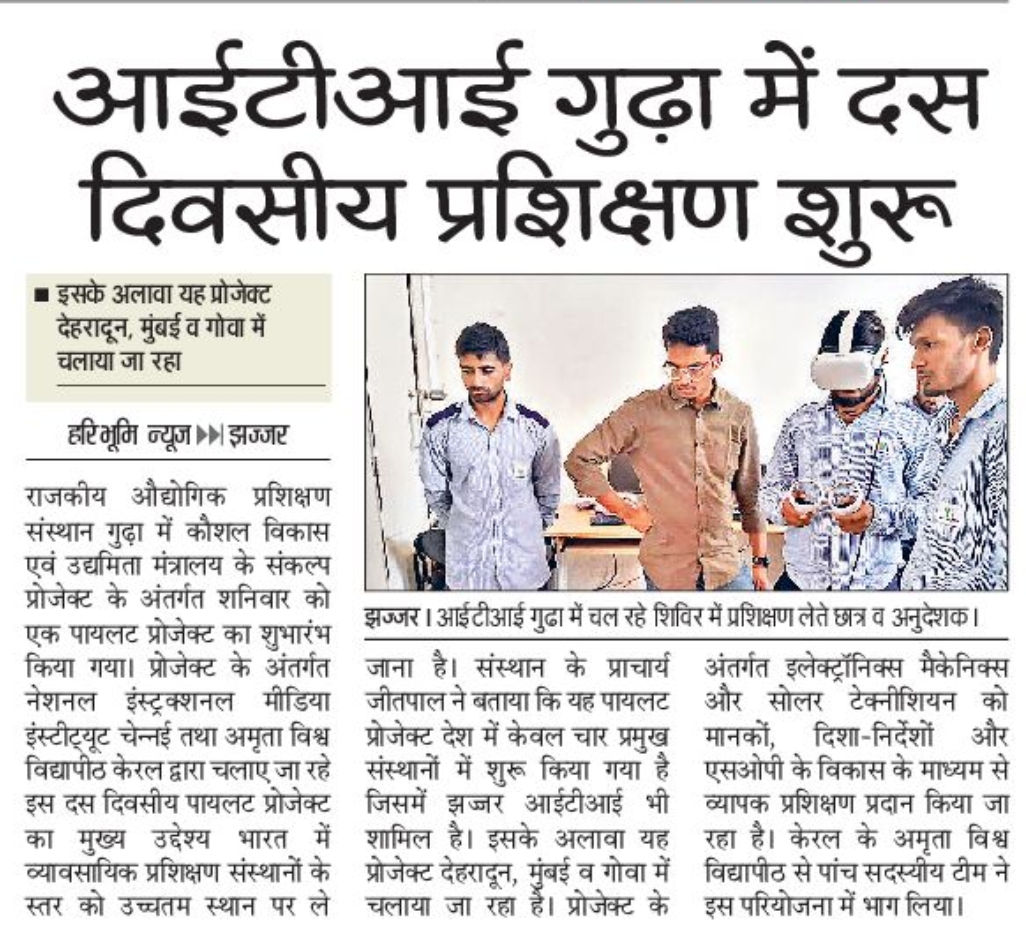
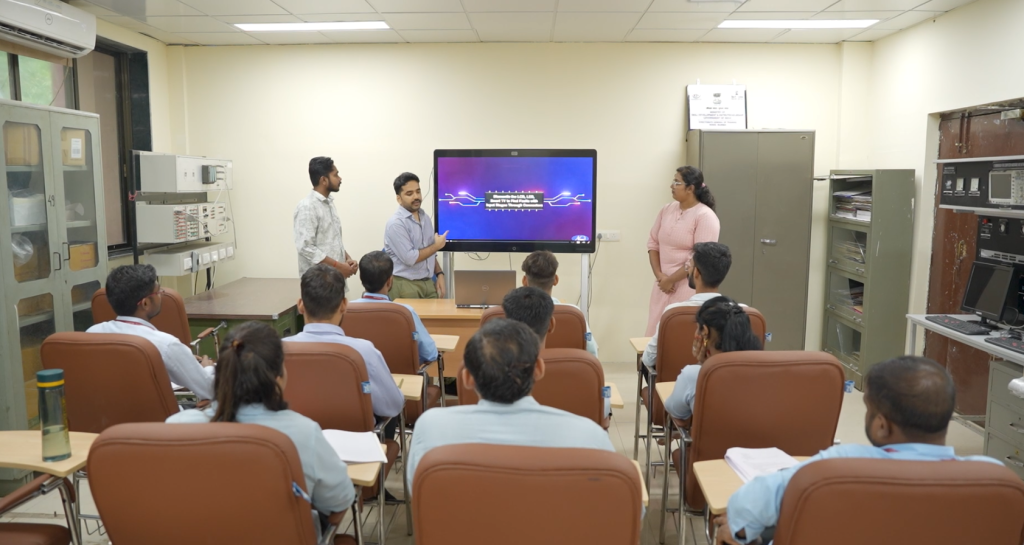
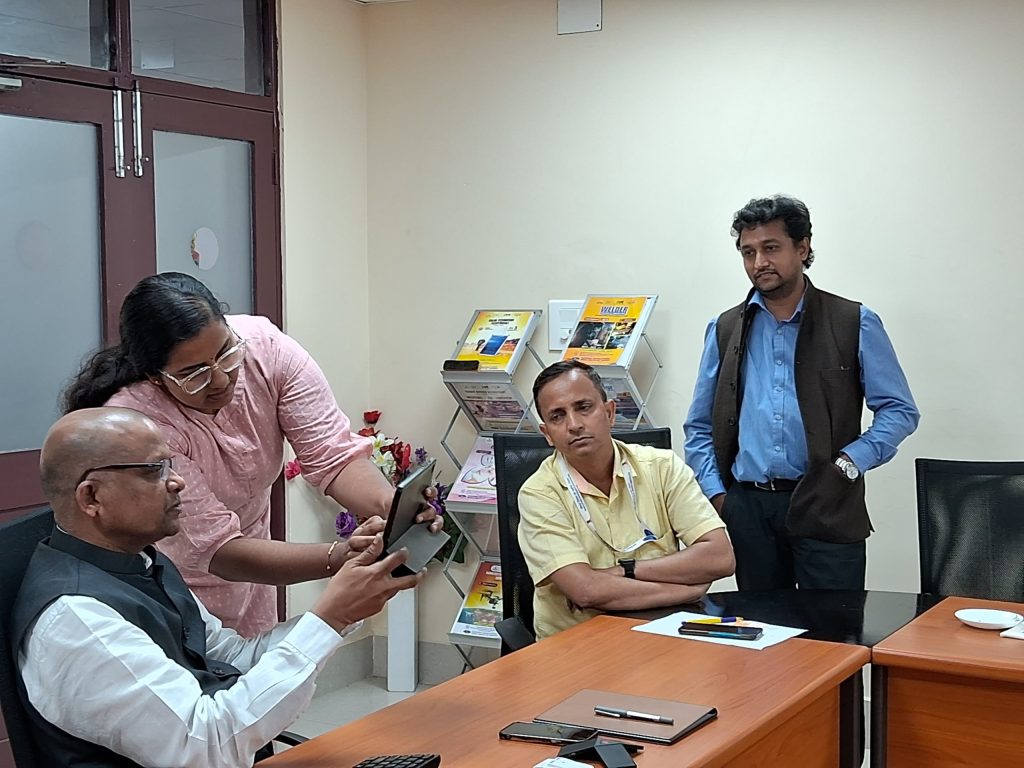
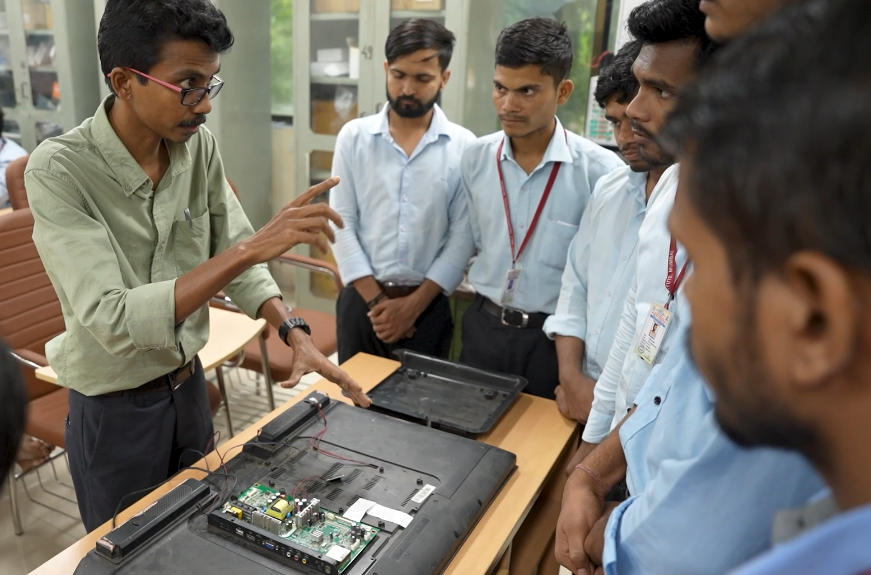
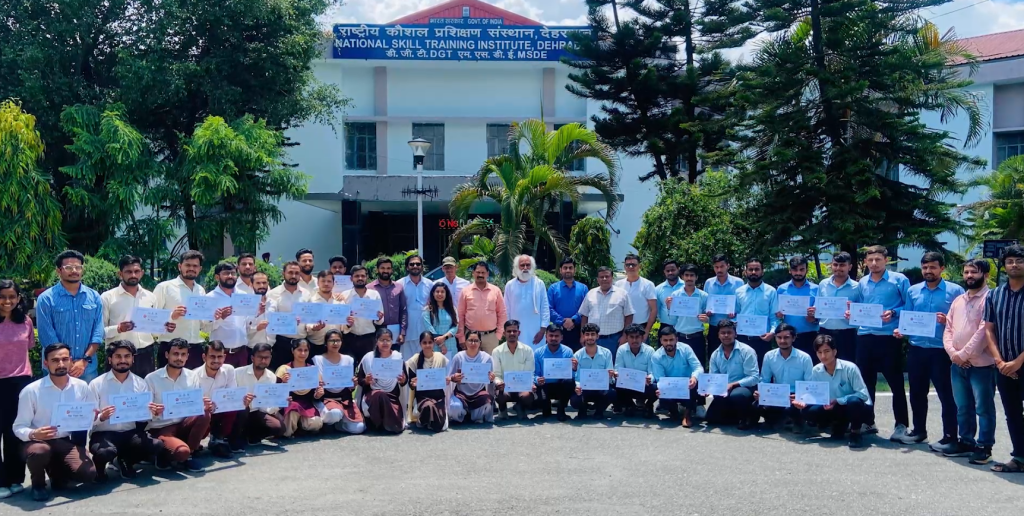
- Carried out a pilot implementation involving 160 students and 17 instructors across four institutions: NSTI Dehradun, NSTI Mumbai, Government ITI Jhajjar, and Government ITI Bicholim. This diverse sample allowed for meaningful evaluation across different contexts.
- Conducted an impact evaluation at the pilot institutions, with findings, insights, and recommendations compiled into a comprehensive impact evaluation report.
- Developed scalable standards, guidelines, and standard operating procedures (SOPs) to support broader future implementation.
Skill E-Labs Package Components
Each Skill-eLabs package is designed to provide a comprehensive, engaging, and technology-driven learning experience. The key components include:
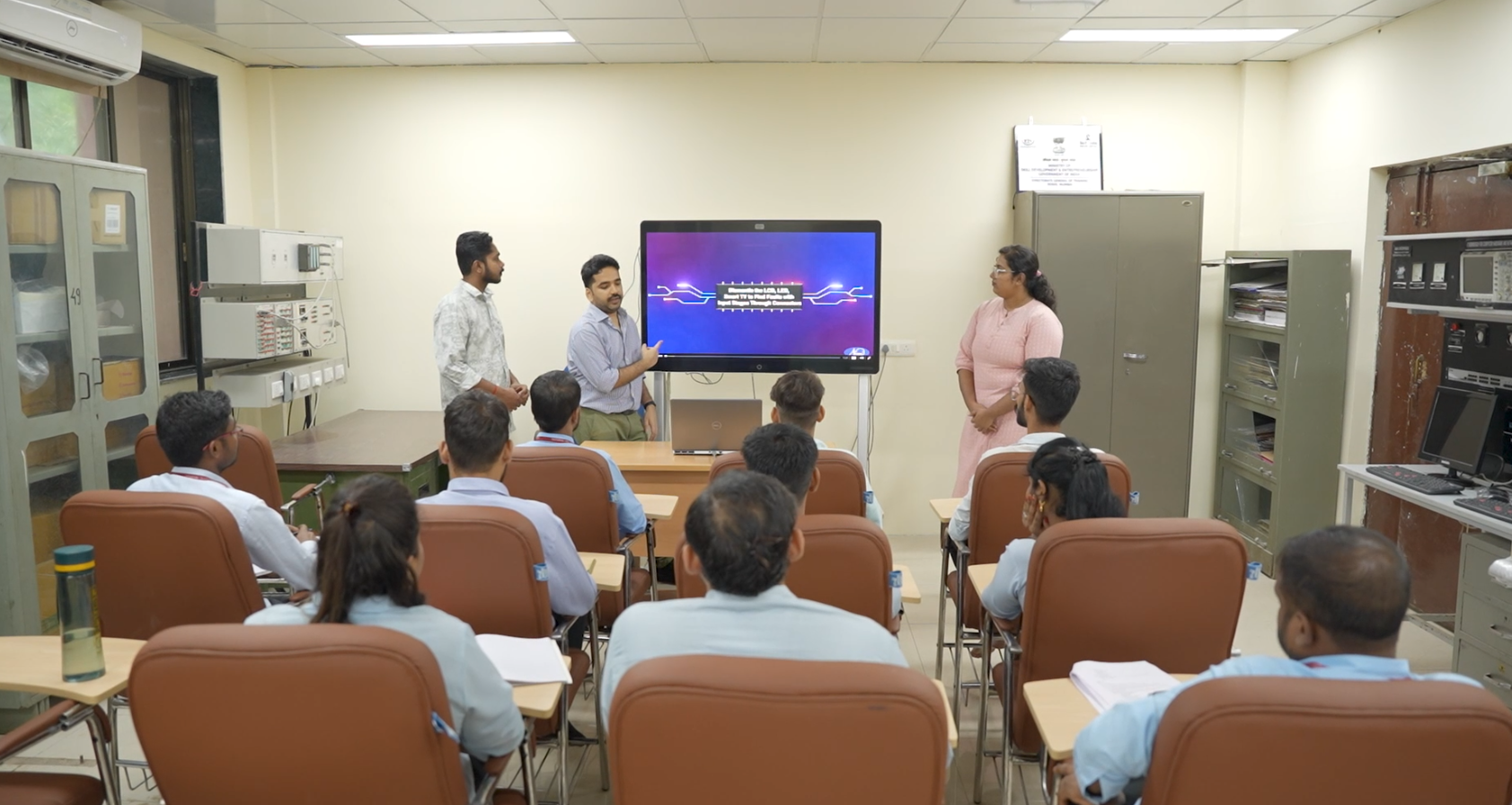
- Instructional Videos: Professionally developed videos that explain key concepts and procedures aligned with trade curricula.
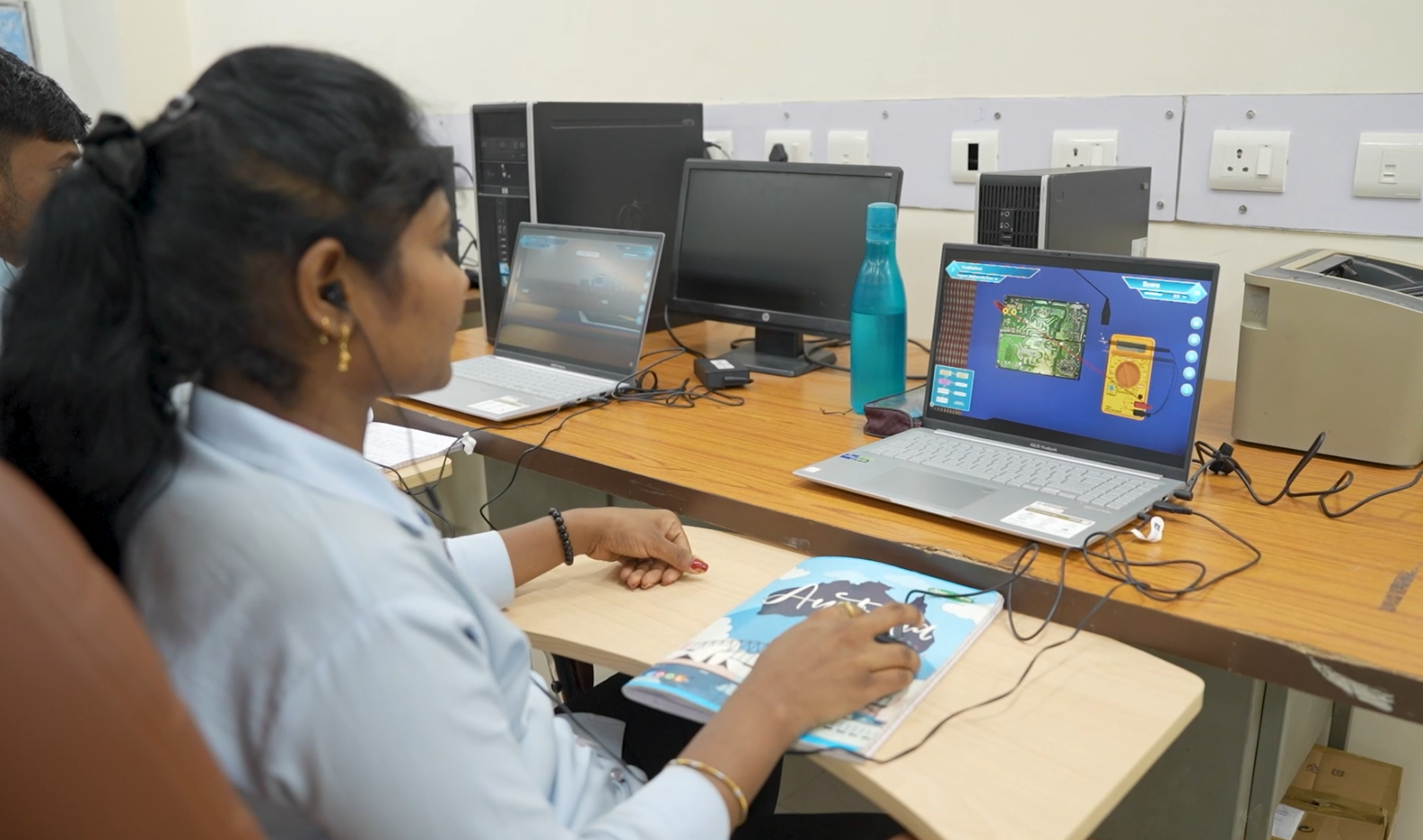
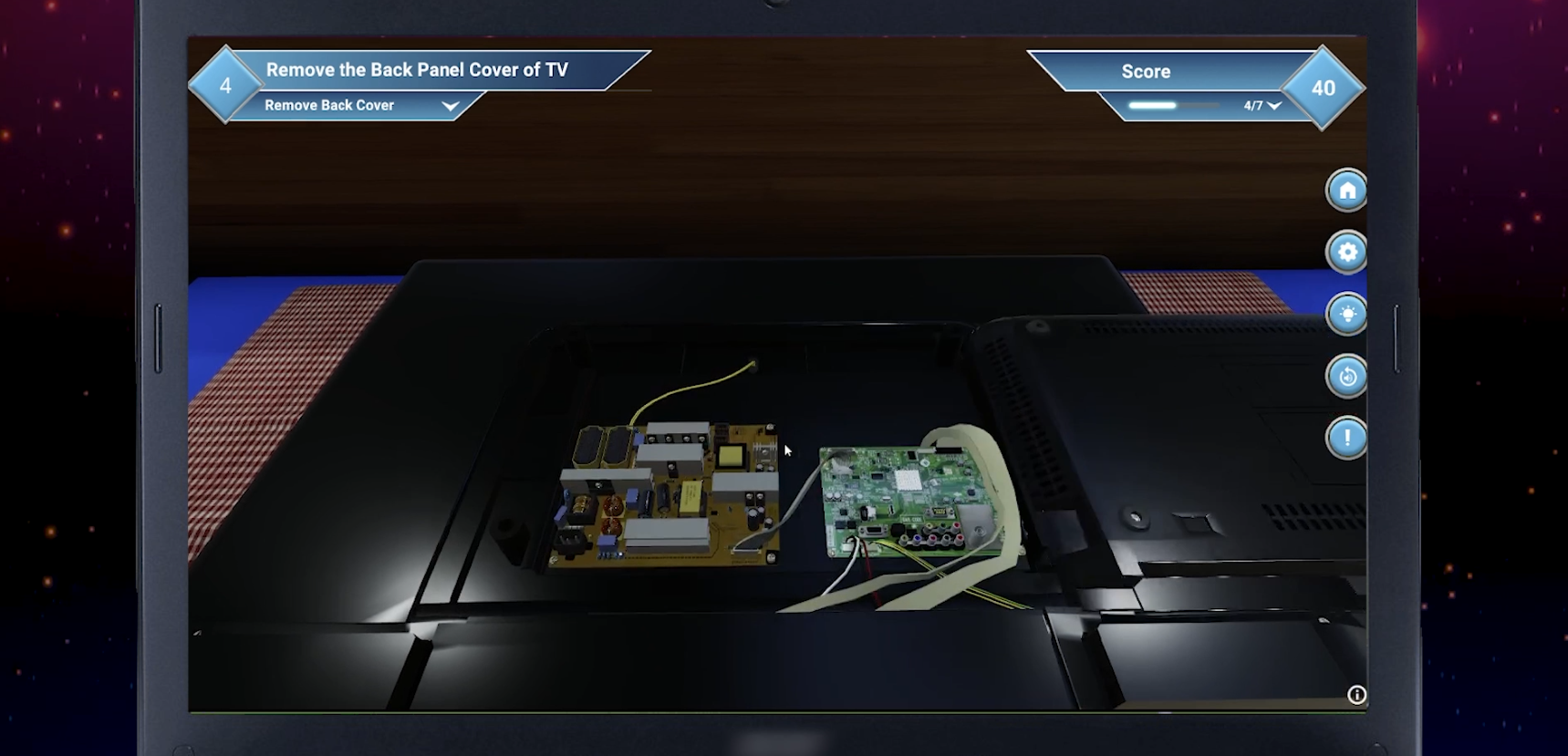
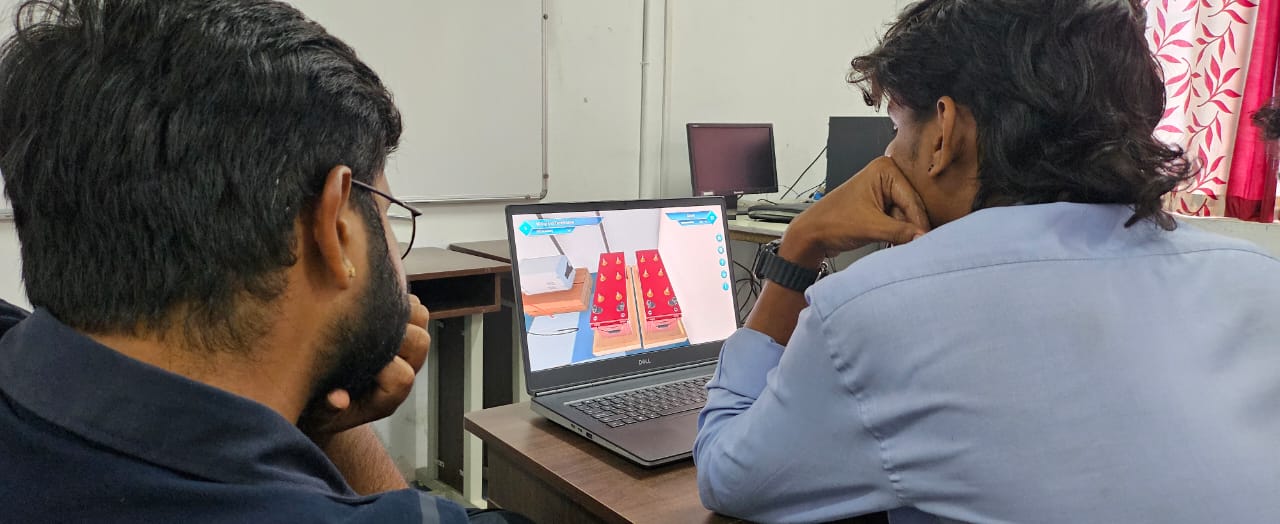
- Interactive 3D Simulations: Hands-on virtual exercises that replicate real-world practical tasks, allowing students to practise safely and repeatedly.
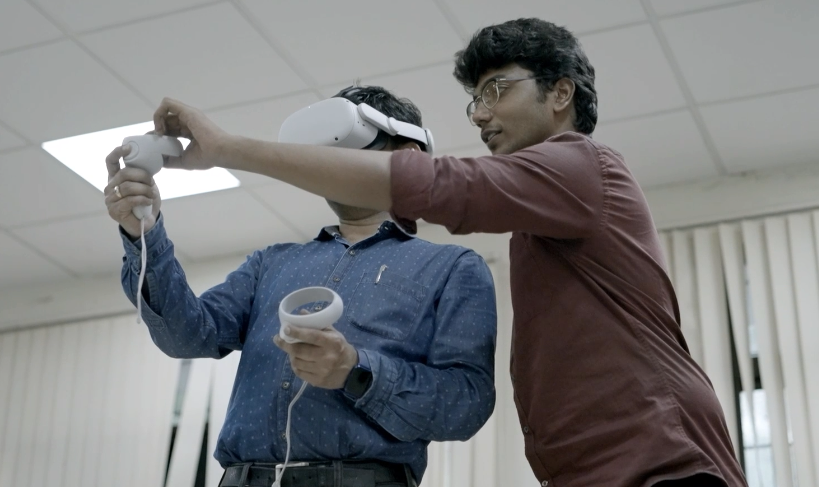
- Virtual Reality (VR) Modules: Immersive environments that simulate real-life work scenarios, enhancing experiential learning and skill retention.
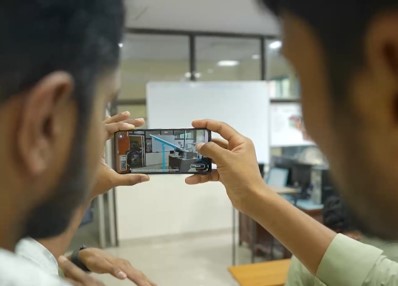
- Augmented Reality (AR) Components: Visual overlays that enrich physical learning materials and enable deeper understanding through contextualised information.
- Assessments: Formative and summative assessments integrated into the learning experience to evaluate student progress and skill acquisition.
- AMPLE LMS Integration: Seamless access to all learning materials and tracking of learner progress through Amrita’s AMPLE Learning Management System.
Impact evaluation
The Skill-eLabs programme has demonstrated significant success in improving vocational training outcomes through a structured, two-phase evaluation:
Phase 1:
- The experimental group received training using the Skill-eLabs package, while the control group followed traditional classroom methods.
- Assessments showed that the experimental group exhibited notable improvements in skill acquisition and practical performance compared to the control group.
Phase 2:
- The control group was introduced to Skill-eLabs.
- Their performance showed substantial improvement, aligning closely with the outcomes of the experimental group.
Impact evaluation Findings
- Significant improvements in skills and practical performance.
- Enhanced engagement during training.
- Increased confidence and independence in completing tasks.
- Improved adherence to safety protocols.
Testimonials
Major Benefits
- Risk-Free Practice: Enables students to practise skills in a safe, virtual environment, minimising the need for consumable materials and reducing the risk of injury.
- Immediate Feedback: Provides instant performance feedback, helping learners identify mistakes and correct them in real time.
- Self-Paced Learning: Offers flexible learning pathways, allowing students to learn at their own pace with unlimited opportunities for repetition and mastery.
Enhanced Visualisation: Uses immersive technologies to simplify the understanding of complex concepts, making learning more intuitive and engaging.
Looking Ahead
The Skill-eLabs initiative represents a pivotal step in modernizing India’s vocational education system. With 100% of participating instructors recommending the program for future training, the pilot demonstrates the transformative potential of digital technology in enhancing both the accessibility and quality of vocational education.
As plans for nationwide implementation progress, this innovative approach to technical education is set to equip India’s workforce with the skills needed for an increasingly digital future. The successful integration of technology through Skill-eLabs provides a strong foundation for expanding digital learning across India’s vocational education system
Proposed Future Work
Following the success of the pilot phase, the Skill-eLabs project is now poised for national-level deployment, with a strategic roadmap for expansion and integration across the vocational education ecosystem.
- National Integration: Skill-eLabs will be implemented across all Industrial Training Institutes (ITIs) and National Skill Training Institutes (NSTIs), forming a core component of practical, technology-enabled training.
- Content Expansion: The project will extend to additional trades by systematically evaluating industry skill requirements, identifying suitable learning technologies (such as 3D, AR, and VR), and ensuring maximum return on investment.
- Infrastructure Development: A comprehensive review of existing facilities will be undertaken to establish strong technical support systems and resolve challenges related to digital infrastructure and internet connectivity.
- Instructor Empowerment: A structured training programme will be developed to equip instructors with the skills needed for technology-enabled teaching. This will include mandatory certification and regular refresher courses to ensure ongoing professional development.
- Accessibility: Learning content and platforms will be optimised for mobile devices and integrated with mobile-supported Learning Management Systems (LMS), ensuring access for all students, regardless of location.
- Assessment Standards: Digital tools will be developed to standardise skill assessments, enabling instructors to carry out consistent and reliable evaluations of student competencies.
- AI Integration: Artificial intelligence will be harnessed to offer personalised learning pathways and adaptive feedback mechanisms, with a particular focus on improving learning outcomes for ITI students.
Reports
Pilot Completion Report : Skill-eLabs Pilot Completion Report_final.pdf
Impact Evaluation Report : Skill-eLabs Impact Evaluation Report_final.pdf