April 15–17, 2025 — Across the tribal belts of Odisha, the Wadi Project continues to deliver inspiring outcomes through small-scale farming initiatives that yield big results. From vegetables to forest produce, recent harvests across several villages demonstrate the growing impact of this community-led movement toward sustainable livelihoods.
April 15
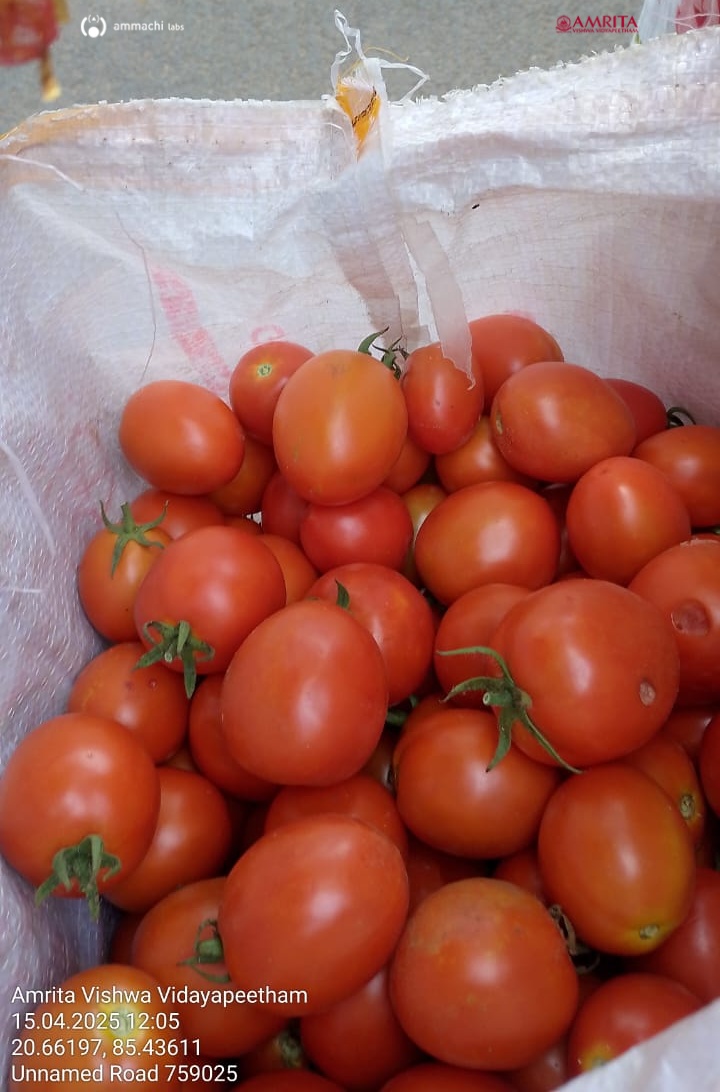
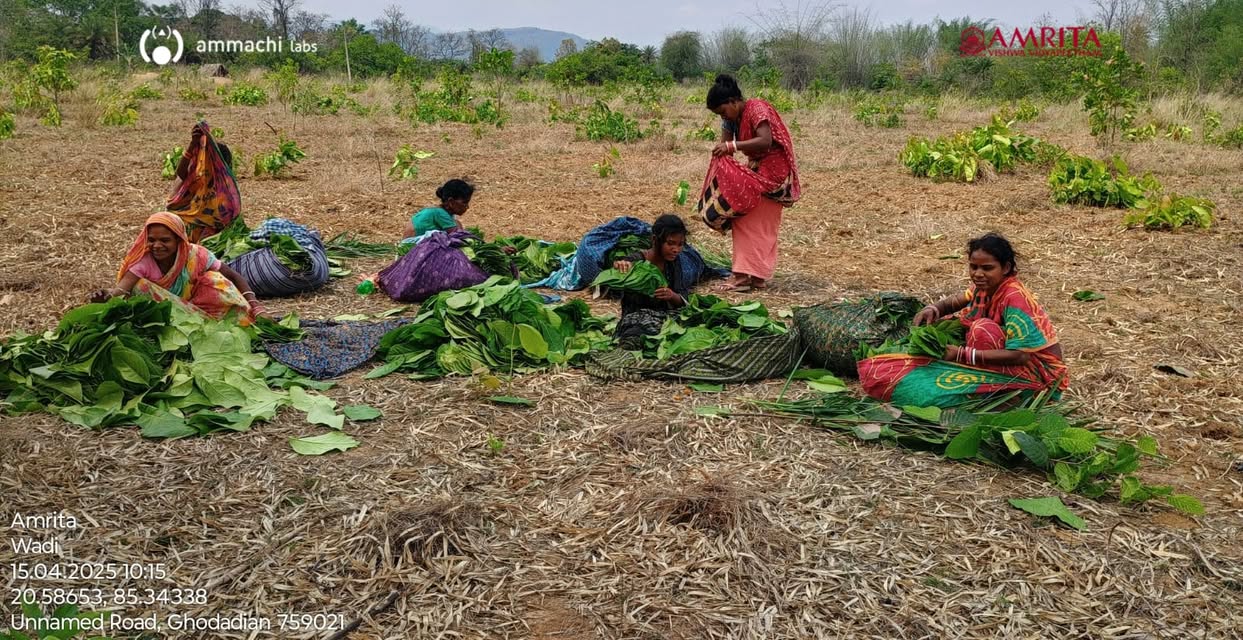
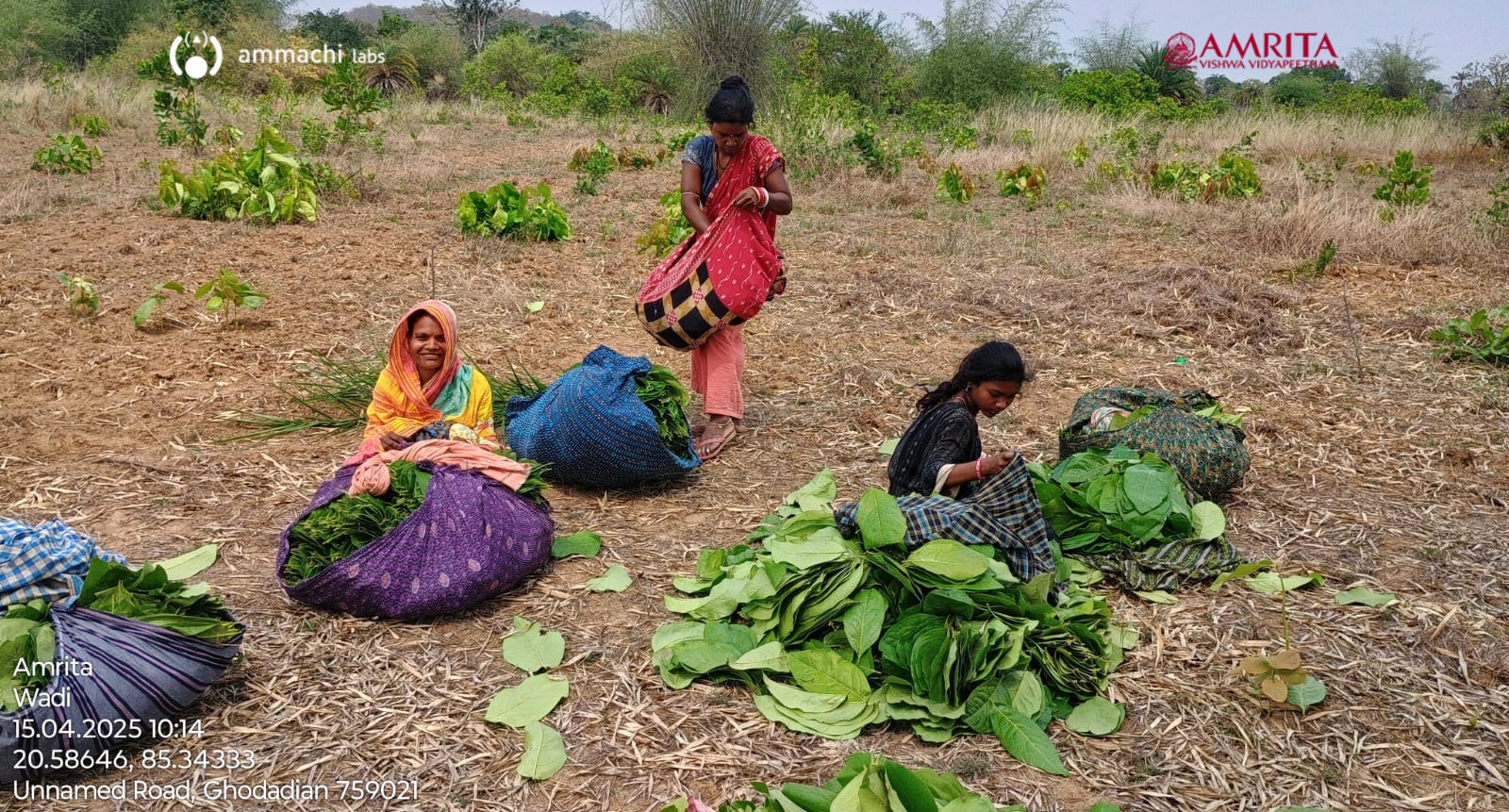
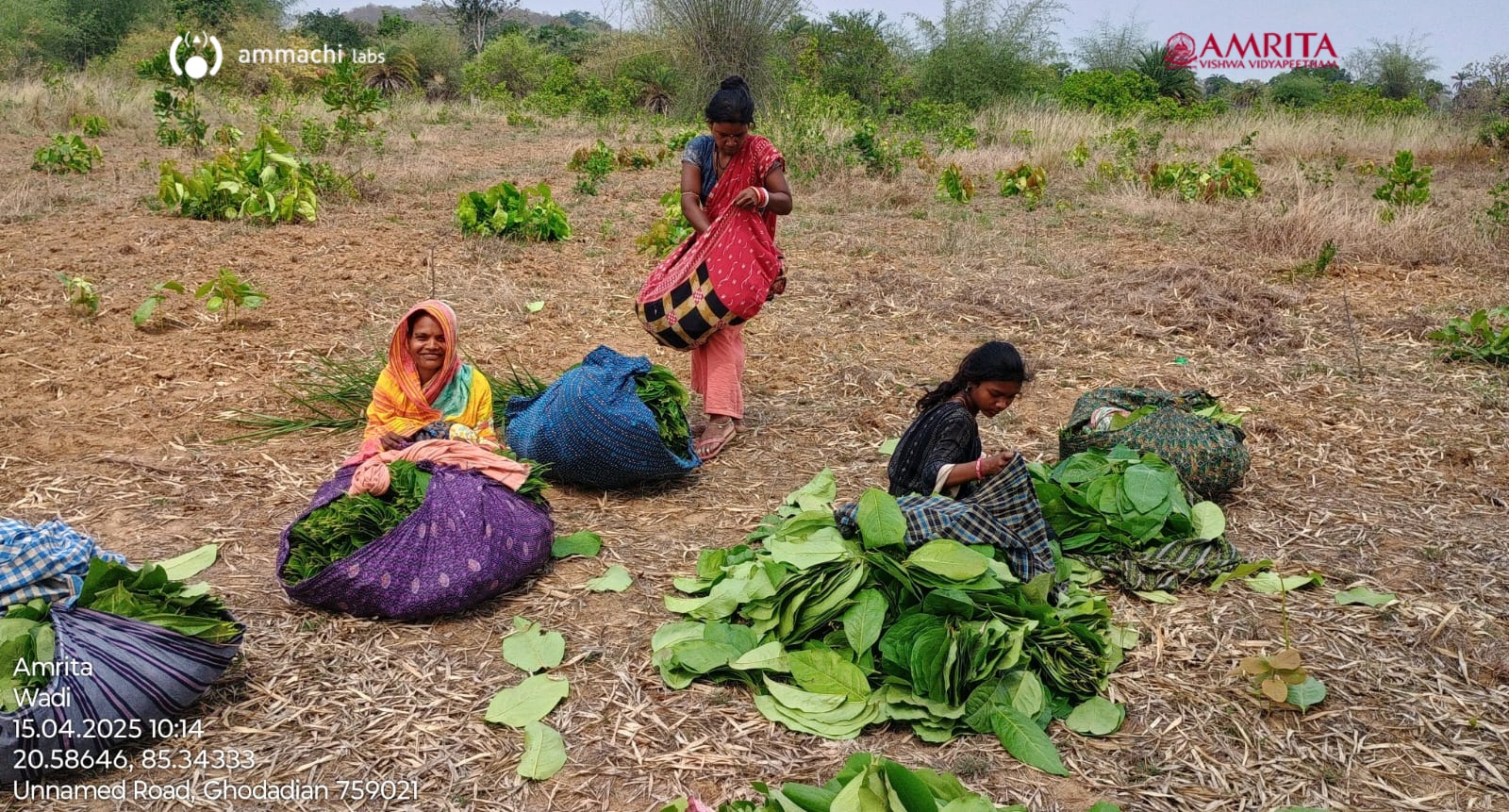
In Bramhaniapal, a local farmer proudly harvested 80 kilograms of tomatoes, showcasing the success of integrated kitchen gardening techniques. Simultaneously, in Asanabania, farmers gathered Kendu leaves (Diospyros melanoxylon)—a valuable non-timber forest product known for its commercial use in the beedi industry. These leaves provide an important seasonal income stream for forest-dwelling communities.
April 16
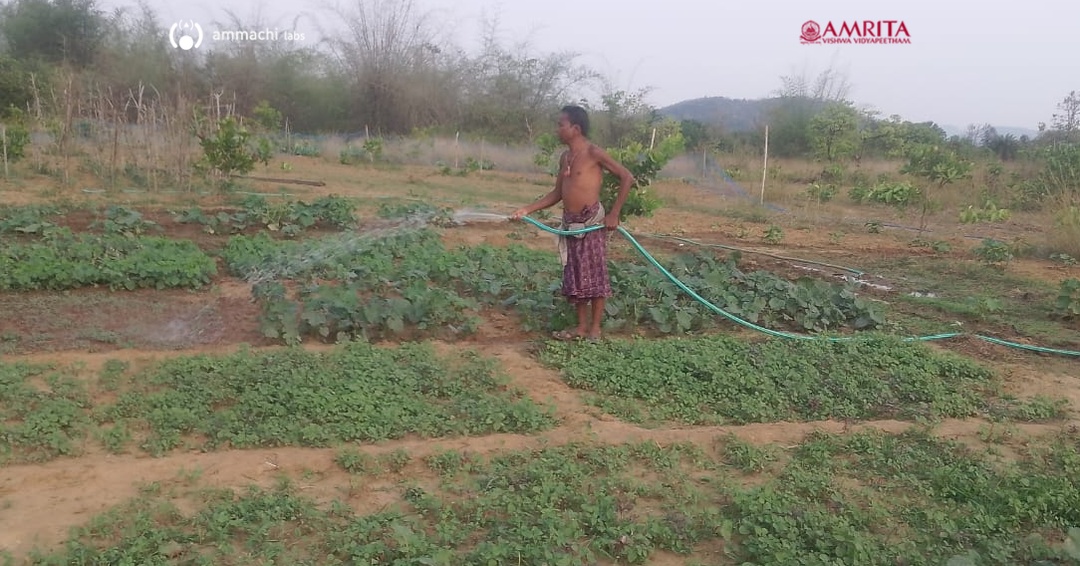
The women-led farming groups in Dandiri, Kurumitha, and Ghodadian harvested a total of 12 kilograms of mushrooms, underlining the potential of low-cost, high-value farming ventures for rural women. On the same day, widespread irrigation efforts were undertaken across all Wadi plots to nourish intercropping systems and support ongoing plant growth.
April 17
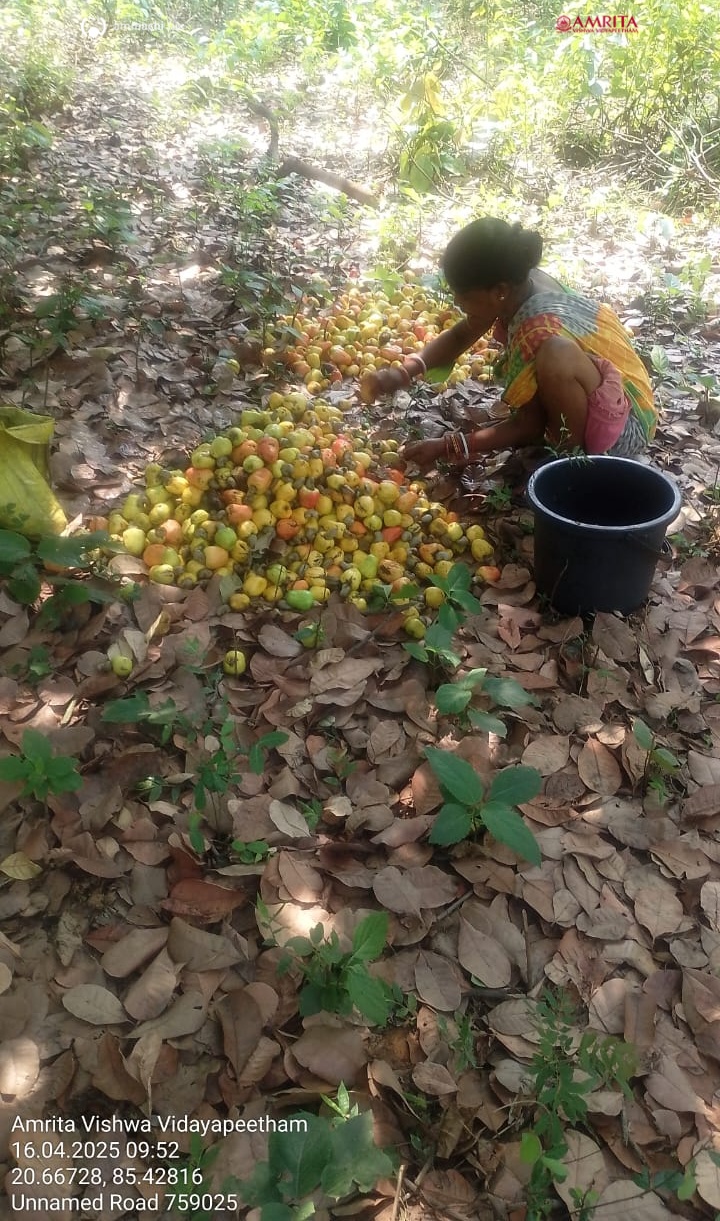
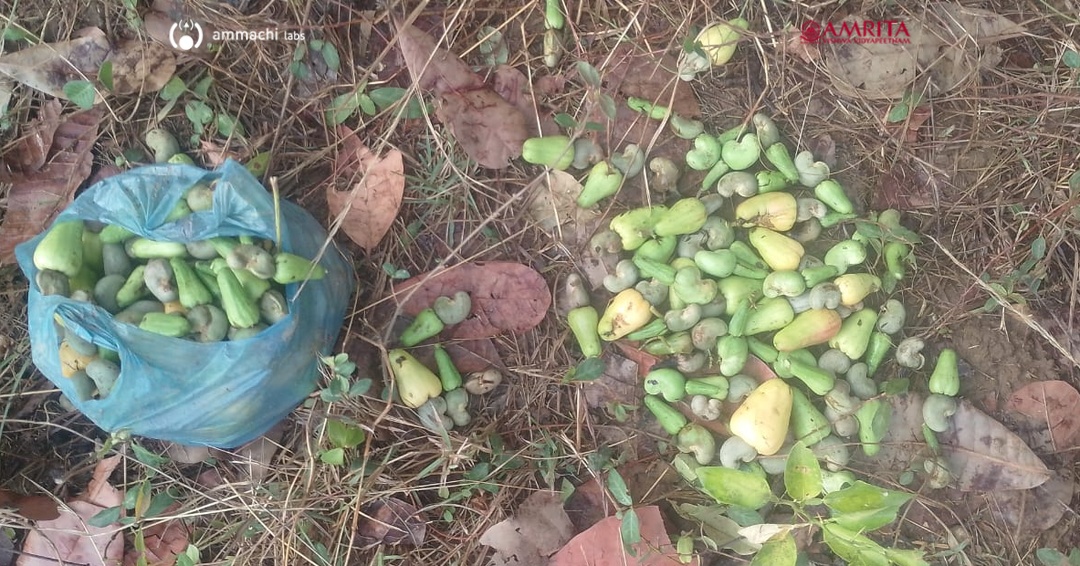
Farmers in Bramhaniapal completed the final harvest of 80 cabbages, adding to the week’s impressive vegetable yield. In Bramhaniapal and Asanabania, cashew harvesting is currently underway—yet another testament to the long-term planning and resilience embedded in the Wadi model.
Backed by Amrita’s Wadi Initiative, these efforts are part of a larger mission to empower tribal communities through sustainable agriculture, reforestation, and income-generating activities. Each harvest not only puts food on the table but also strengthens self-reliance, dignity, and long-term prosperity.
Small orchards. Big outcomes.
Amma’s vision continues to bear fruit—literally and figuratively—in the heart of India’s tribal heartlands.