


A friendly robot for nurturing positive hand hygiene habits
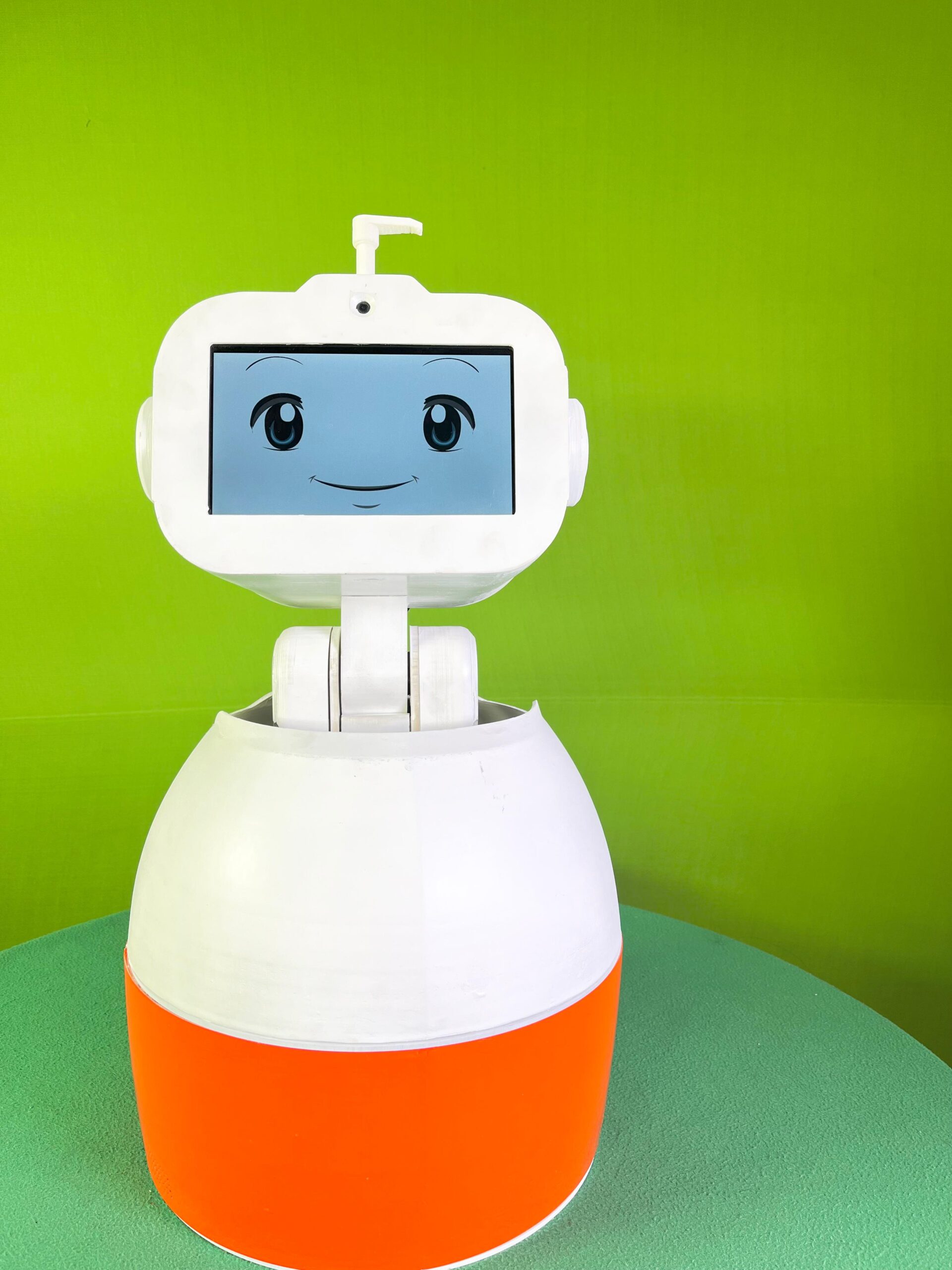
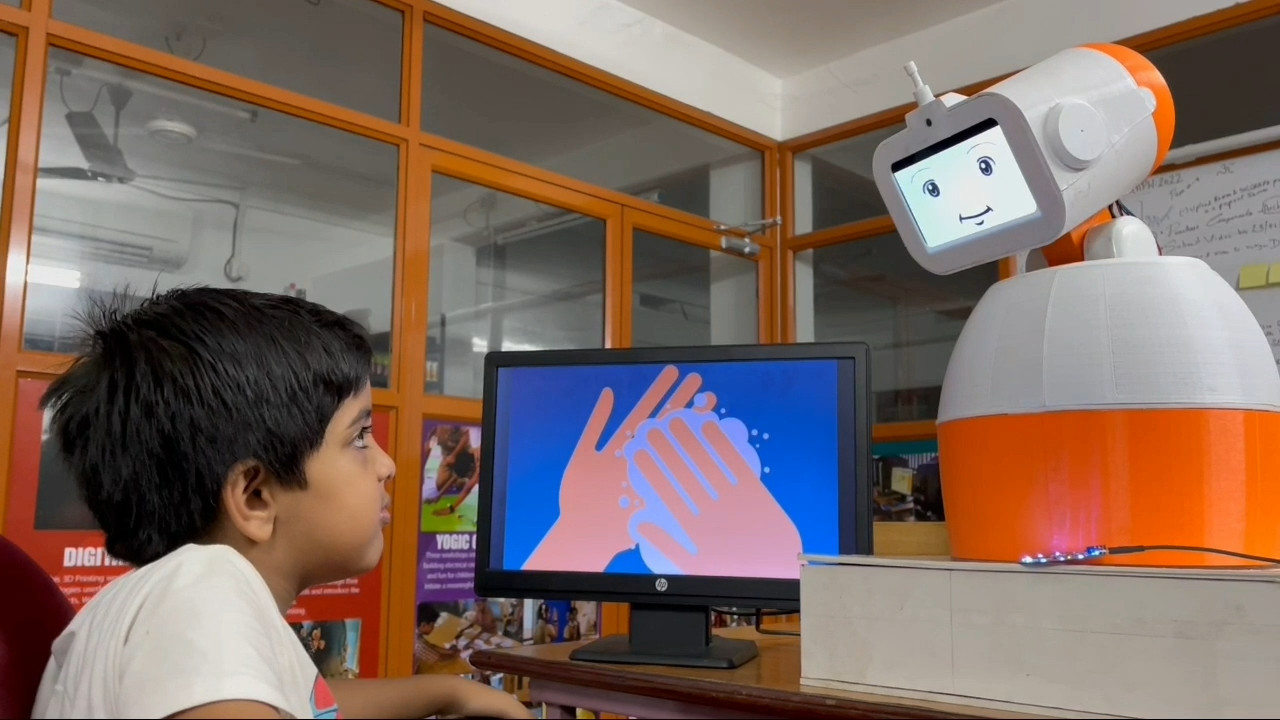
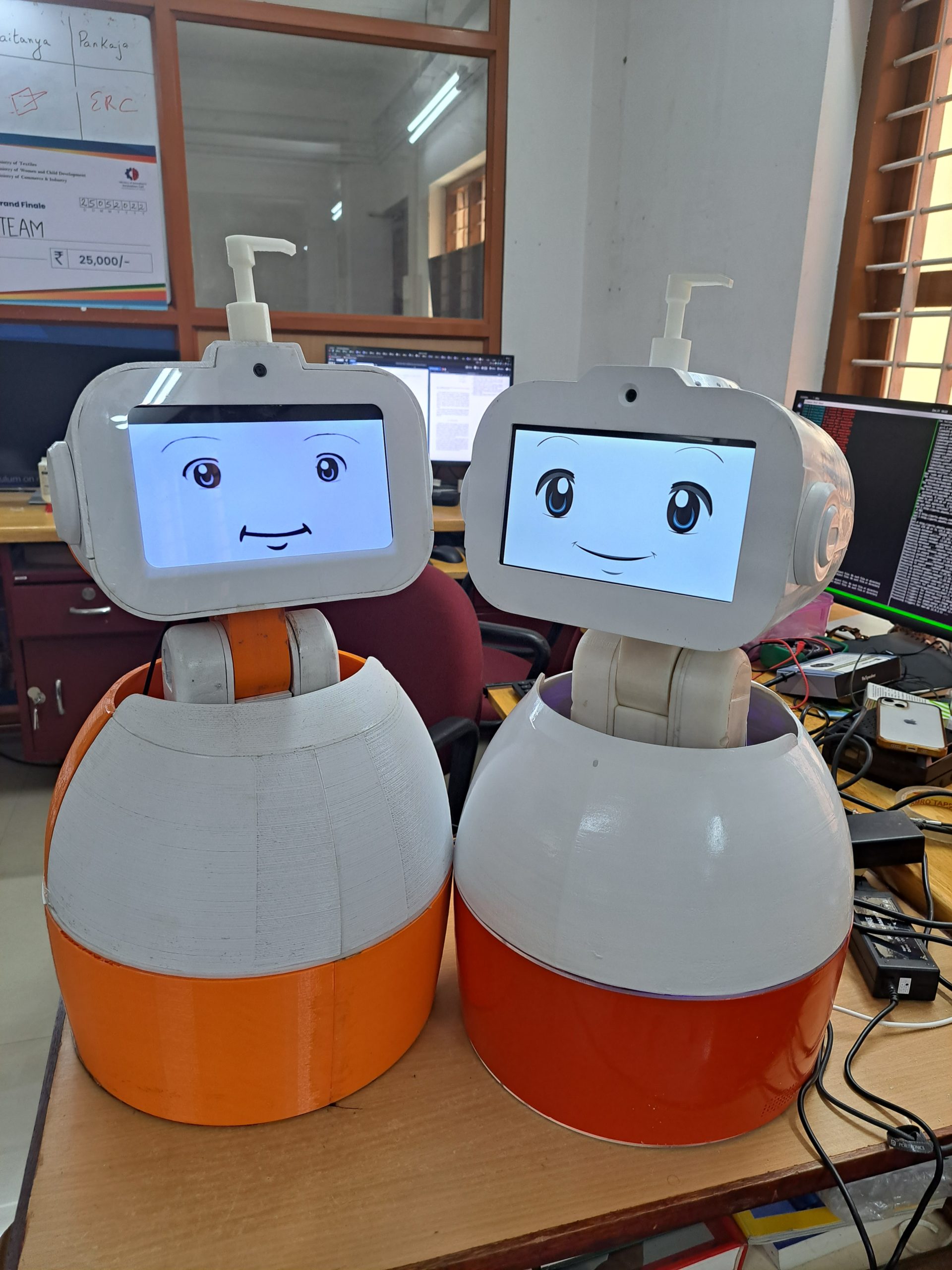
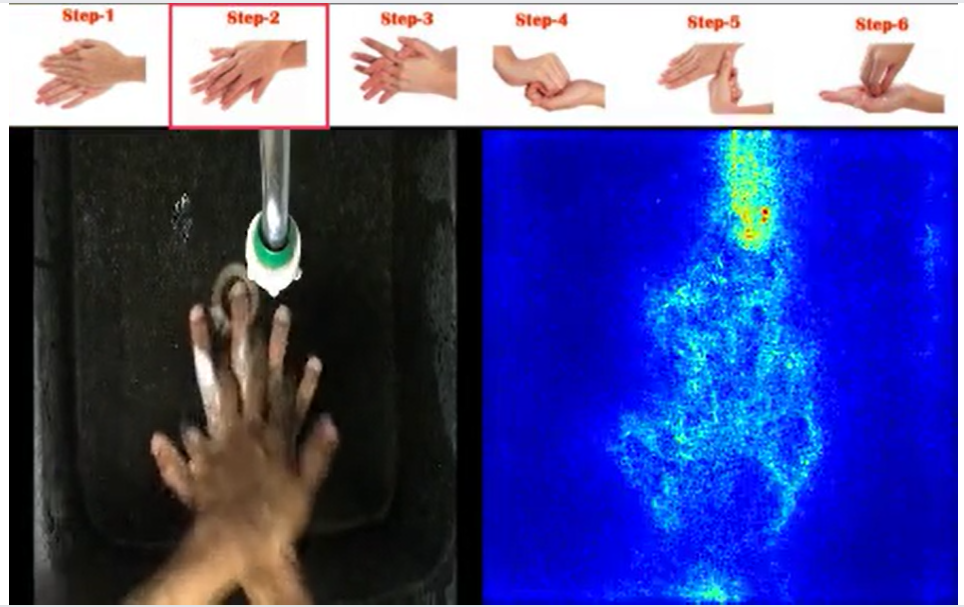
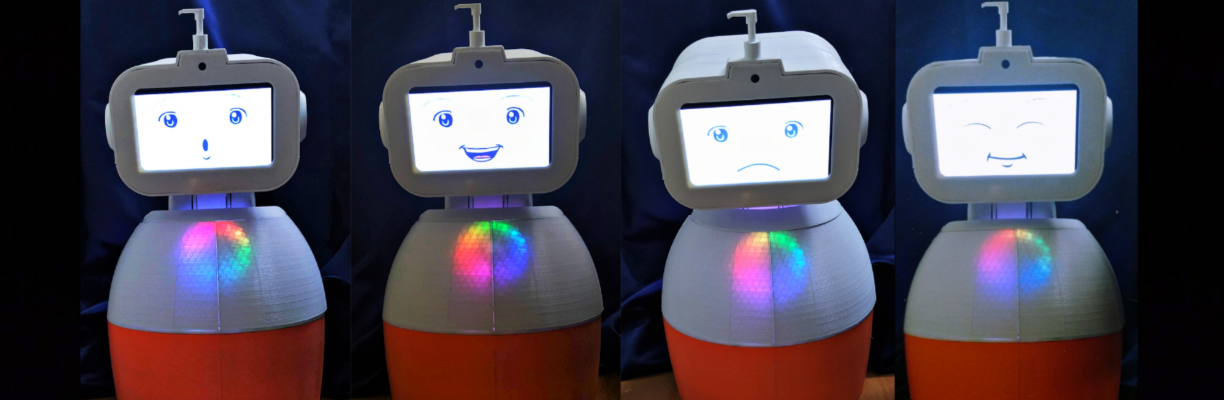
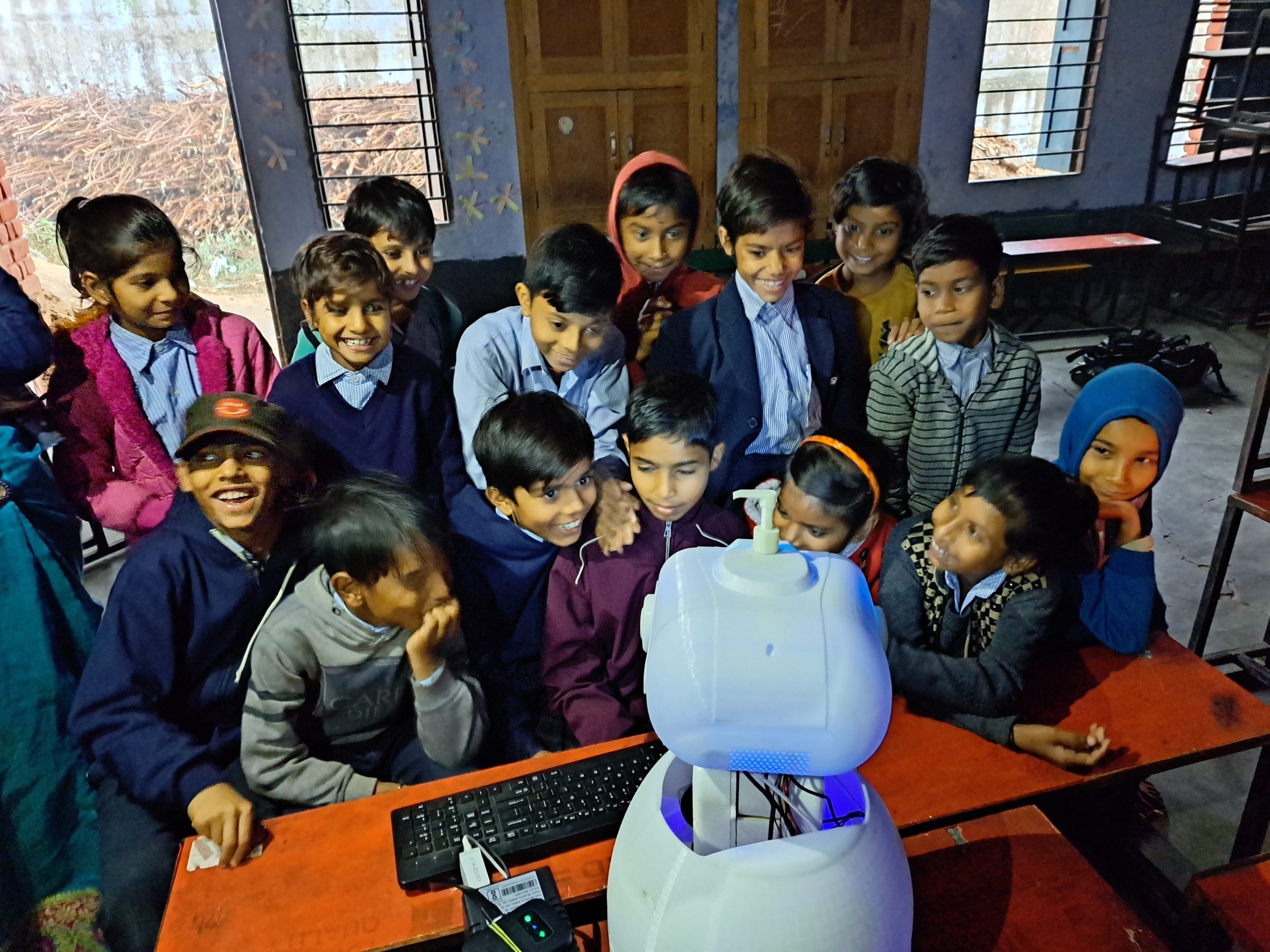
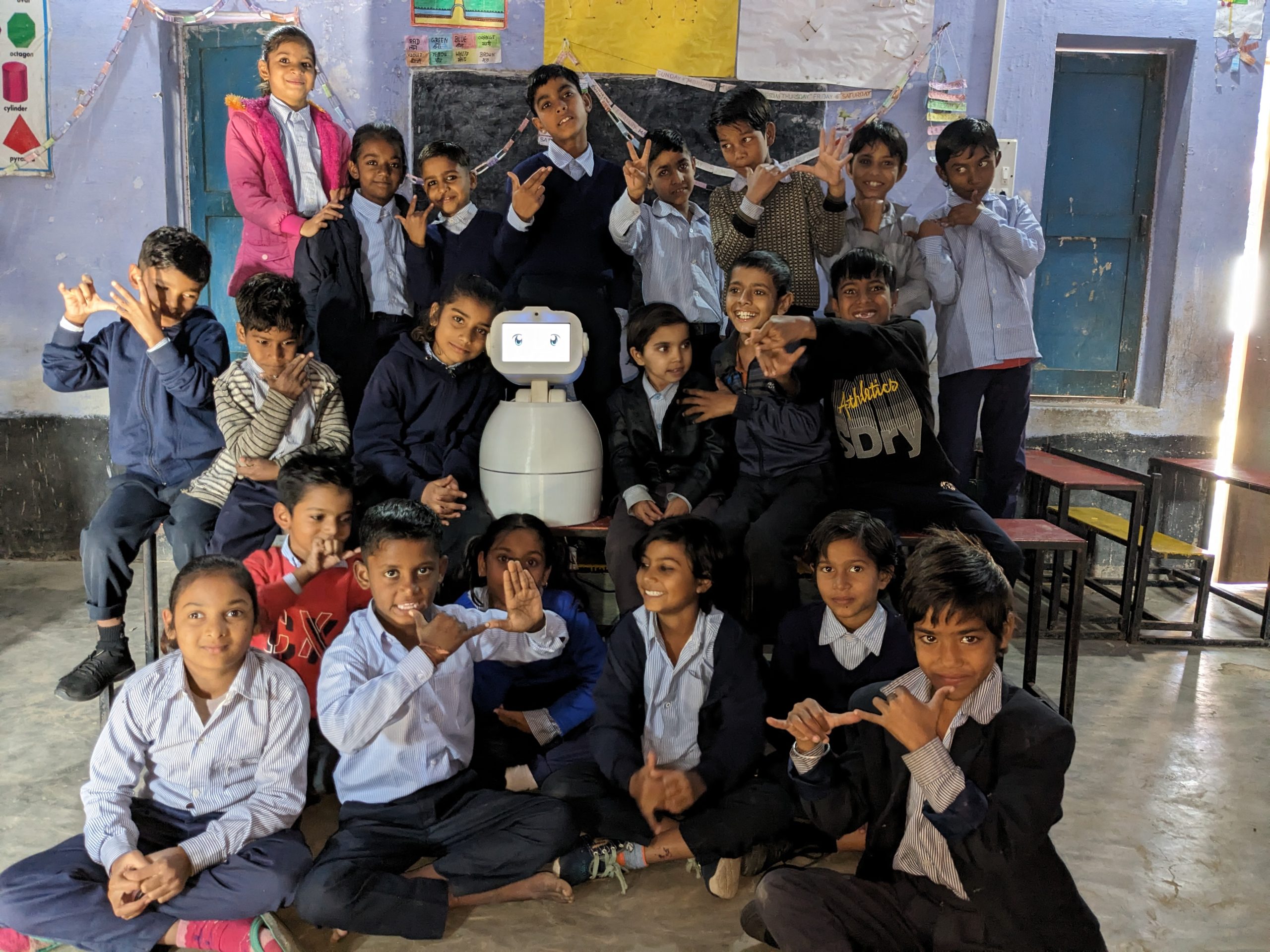
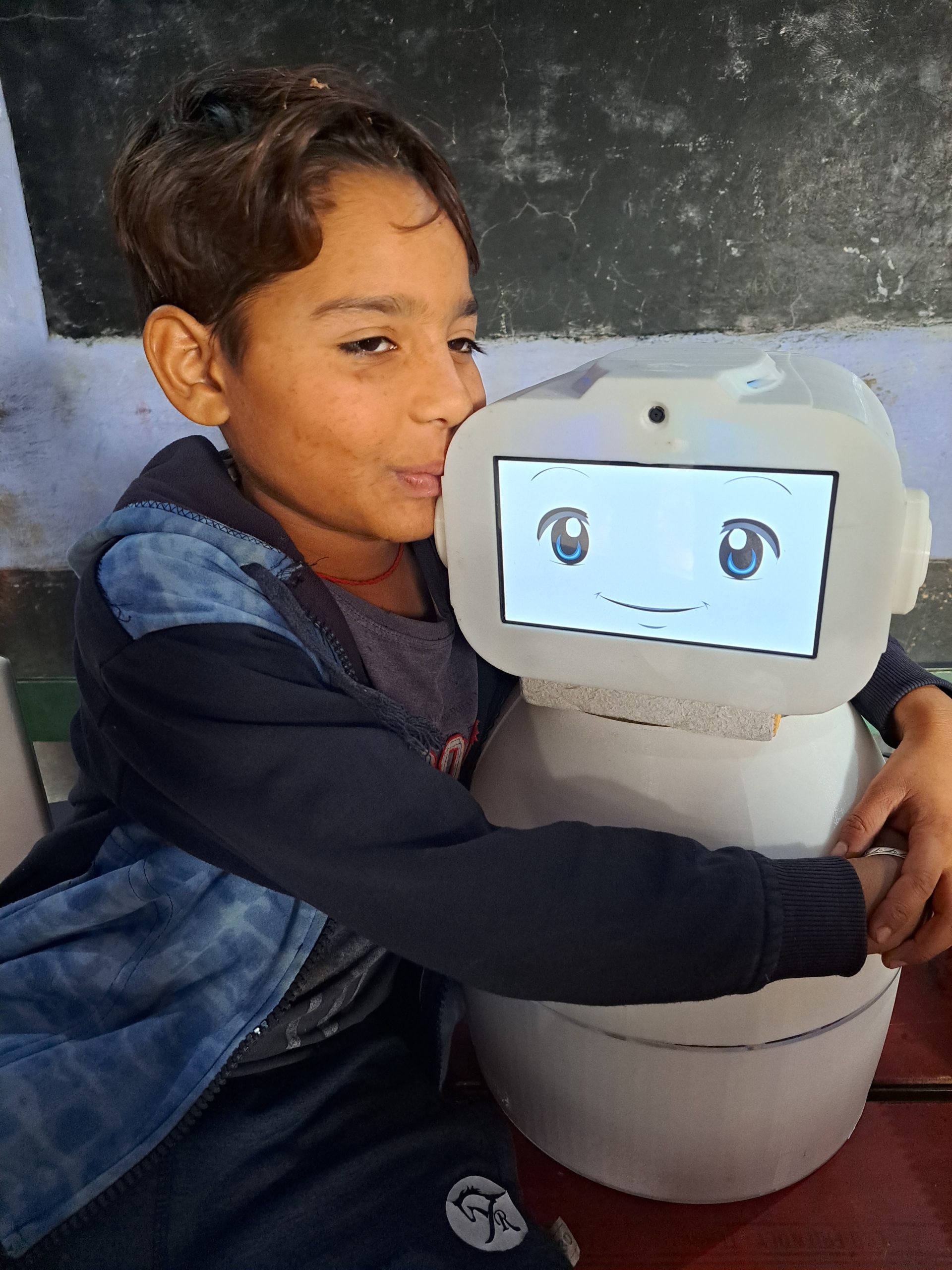
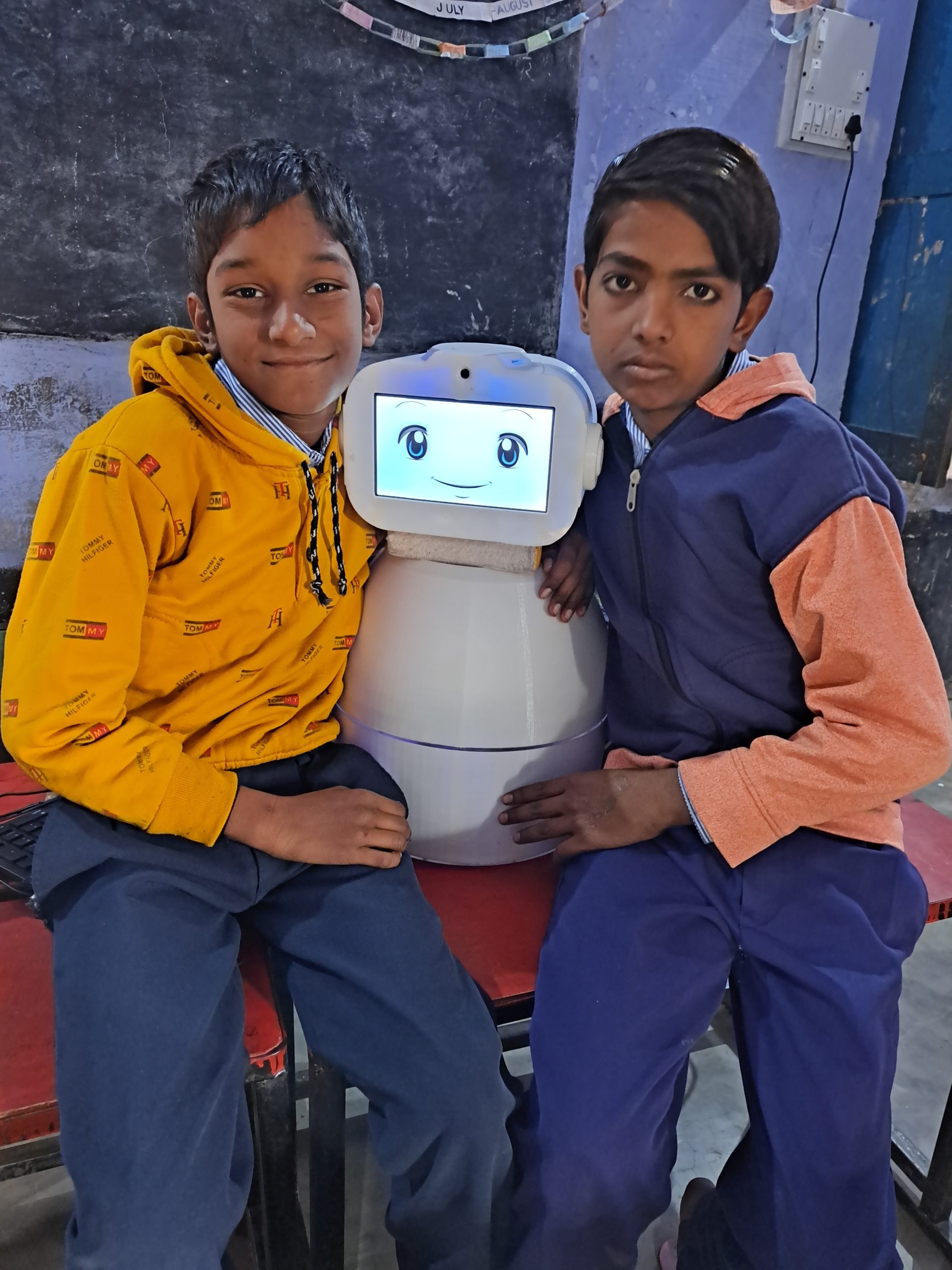
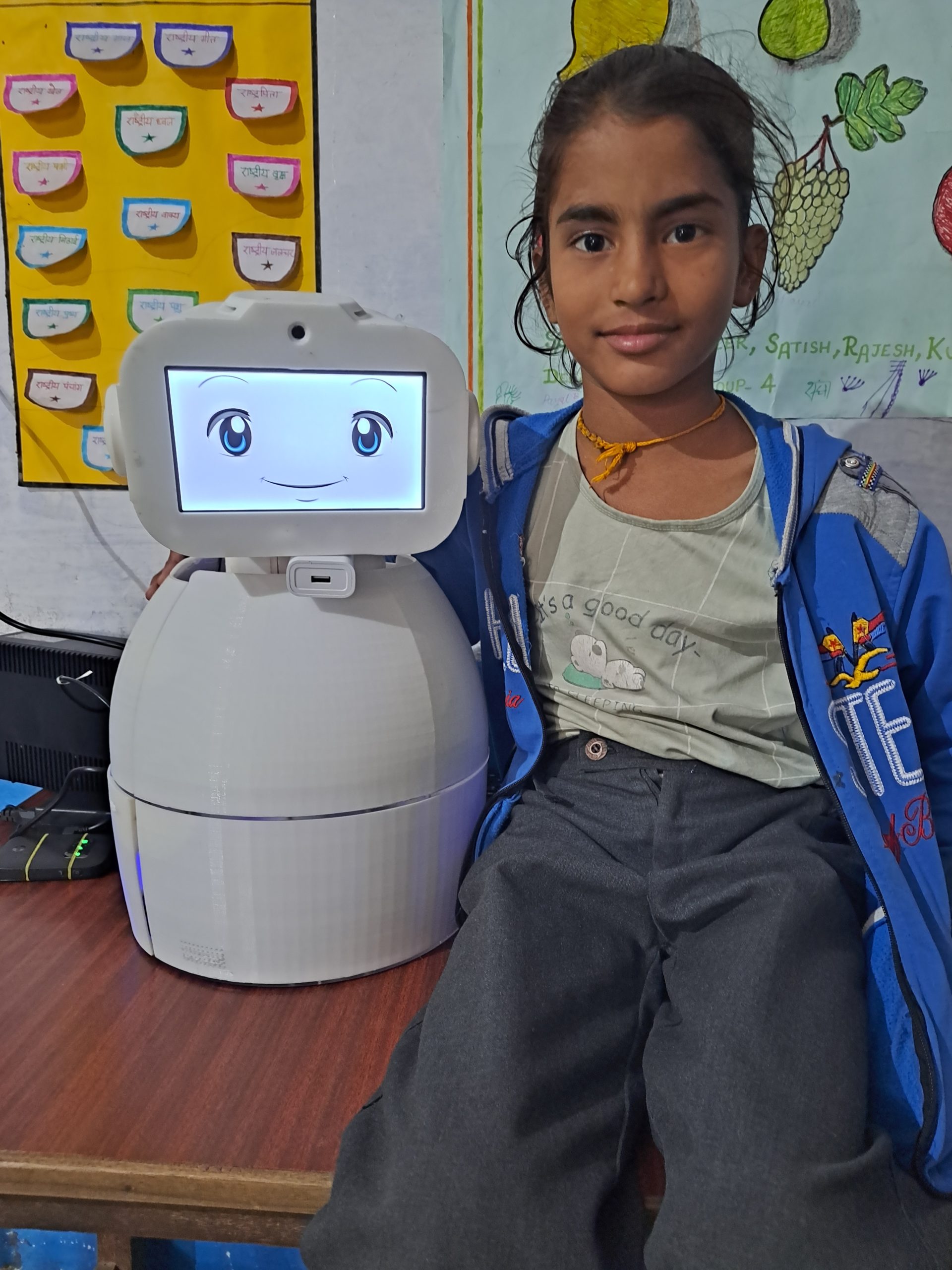
Haksh-E is a social robot designed to help young children build healthy hand-washing habits through friendly interaction. It uses AI vision to recognize whether children are following WHO-prescribed hand-washing steps and gives real-time feedback to correct or reinforce their behavior. It has been built as an embodied agent with a conversational face and engages children in a playful and emotionally supportive way. Over time, it aims to motivate habitual hygiene
Project Background & Motivation
Handwashing with soap is called the “most effective vaccine” against many infectious diseases, yet children often do not wash their hands correctly, regularly, or for long enough. The gap is not in awareness alone, but in forming sustained habits in real-world settings like schools and homes.
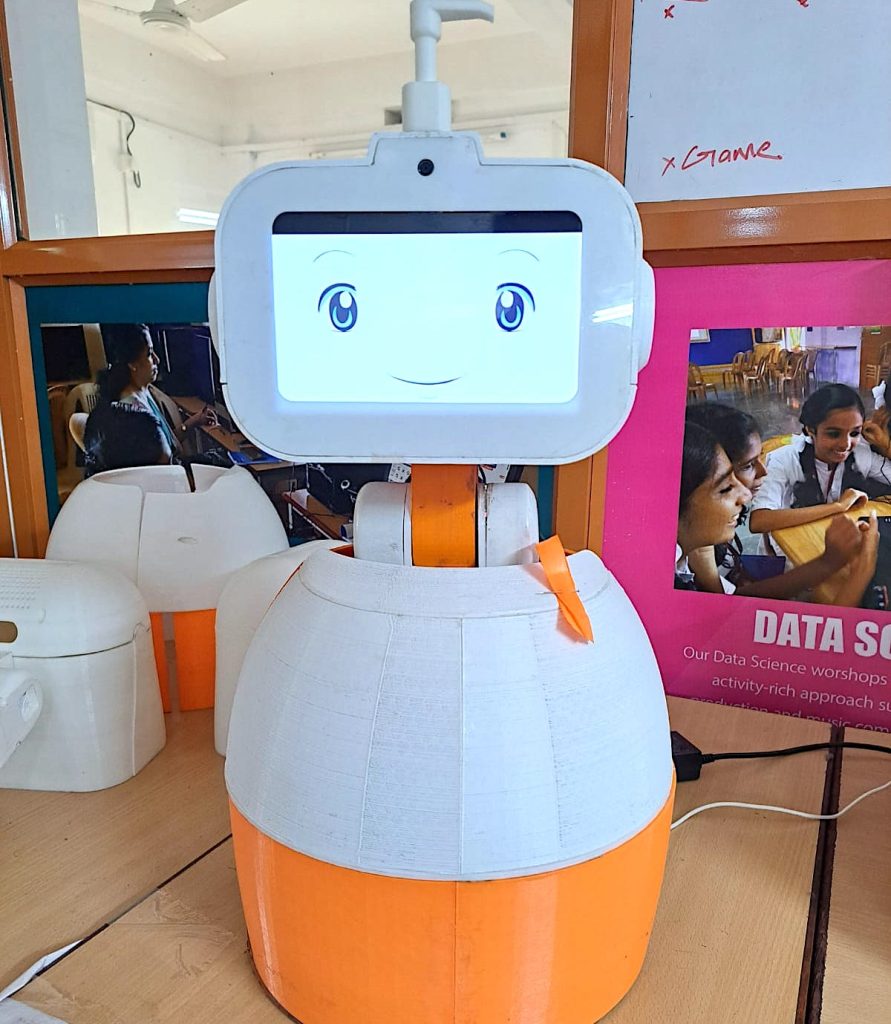
HaKsh-E is AMMACHI Labs’ response to this challenge: an AI-powered, embodied social robot designed to encourage young children to practise proper hand hygiene through playful, repeated interactions. The robot combines social cues (voice, expressions, gestures) with computer vision–based handwashing action recognition to guide children step-by-step, provide feedback, and make handwashing “fun” instead of a chore.
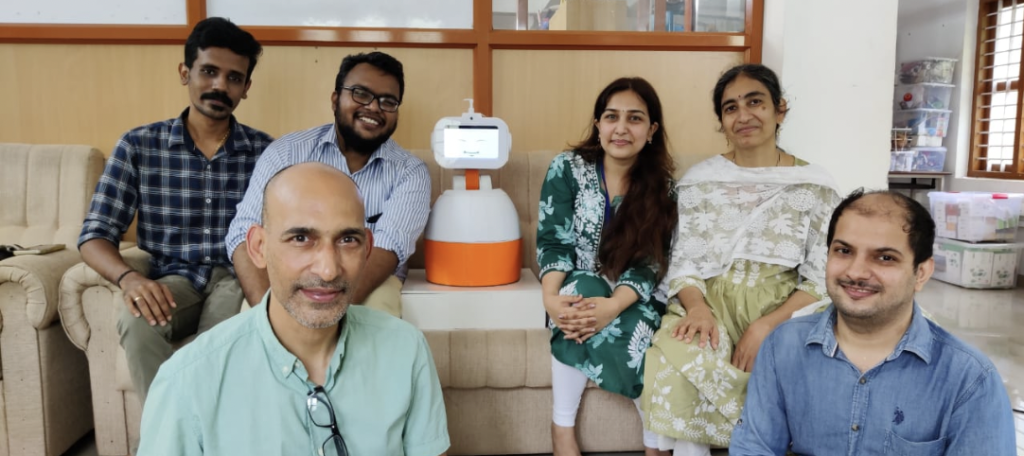
Project Leadership & Collaborators

-
Field
Social Robotics
-
Principal Investigator
Gayathri Manikutty, Research lead, AMMACHI Labs
-
Co-Principal Investigator(s)
Dr. Sidney Strauss - Emeritus Professor, Tel Aviv University Dr. Praveen Pankajakshan - Visiting Faculty, Harvard University Gayathri Manikutty - Senior Researcher, AMMACHI Labs
-
External Collaborators / Partners
Department of Science and Technology (DST) Partner schools and outreach collaborators (K-12 schools in Kerala; School of BioTechnology, Amrita Vishwa Vidyapeetham)
-
Target Audience
Children / Teachers / School Community/ Rural Community
-
Funding Amount
₹ 10.7 Lakhs INR
-
Project Duration
2021 - 2024
Project Implementation and Key activities
HaKsh-E has been implemented in multiple phases, combining research, design, engineering, and real-world outreach:
- Concept & Co-Design with Children
- Conducted design research study with primary school children from rural and urban backgrounds in Southern India. Children’s feedback shaped the robot’s appearance, personality, and style of interaction (e.g., friendliness, voice, how it “talks” about germs).
- Prototype Development
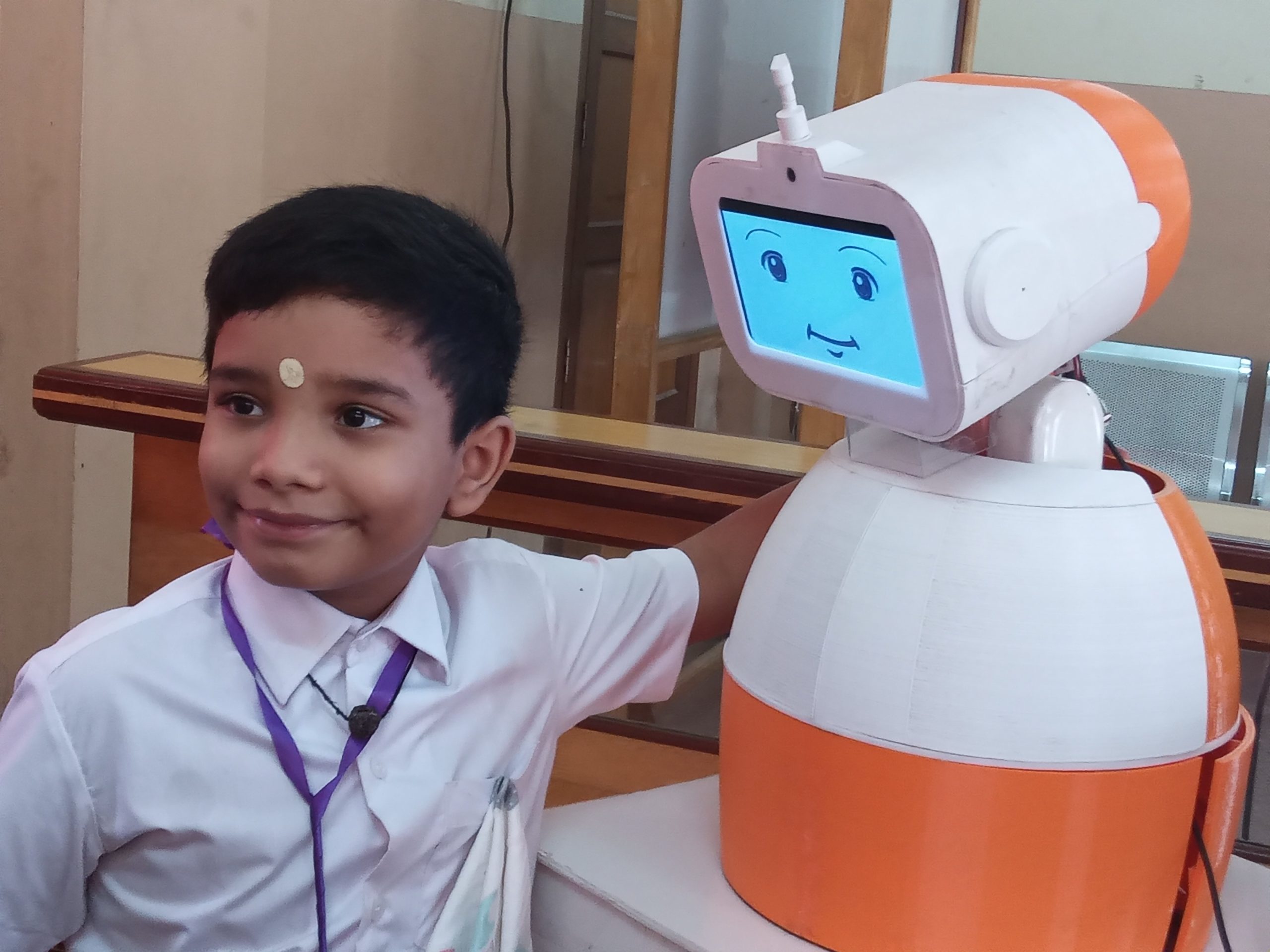
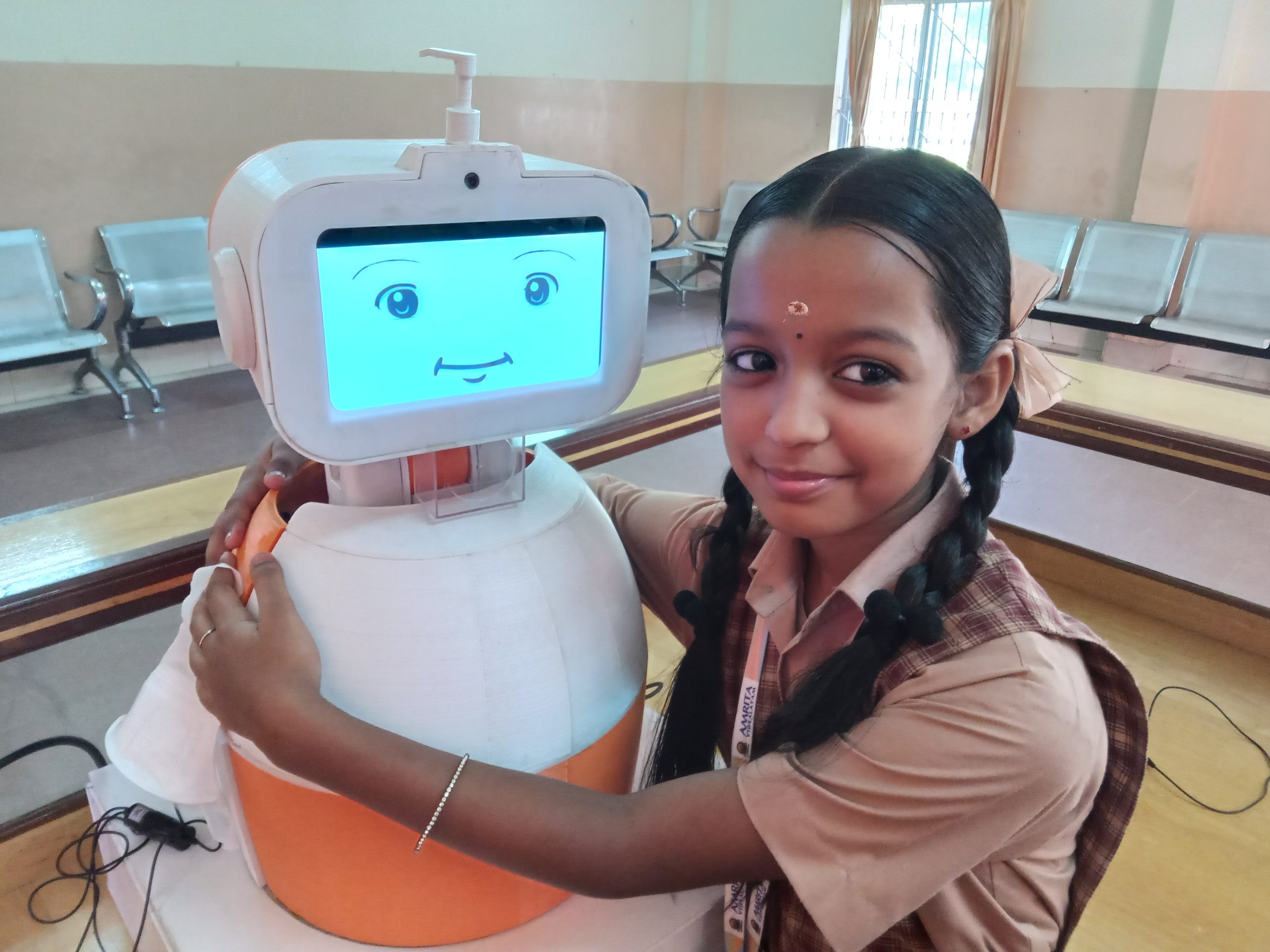
- Built an embodied tabletop social robot with a screen/face, speakers, and onboard sensors. Integrated a handwashing action recognition system that detects key steps in the handwashing sequence and duration of the activity.
- AI & Interaction Design and Pilot Studies
- Developed AI models to recognise handwashing gestures from camera input and classify whether the steps are complete and of sufficient duration.
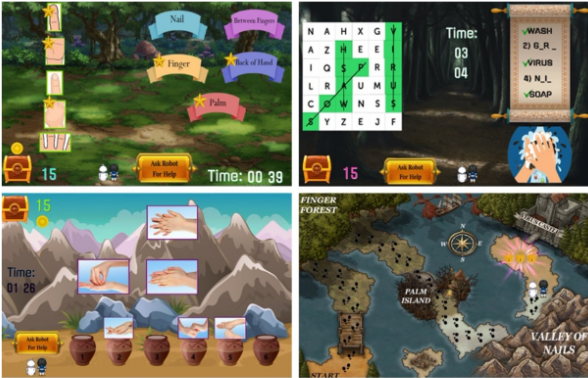
- Designed game-like interaction flows: the robot explains why handwashing matters, prompts children to follow steps, gives compliments, corrections, and playful challenges.
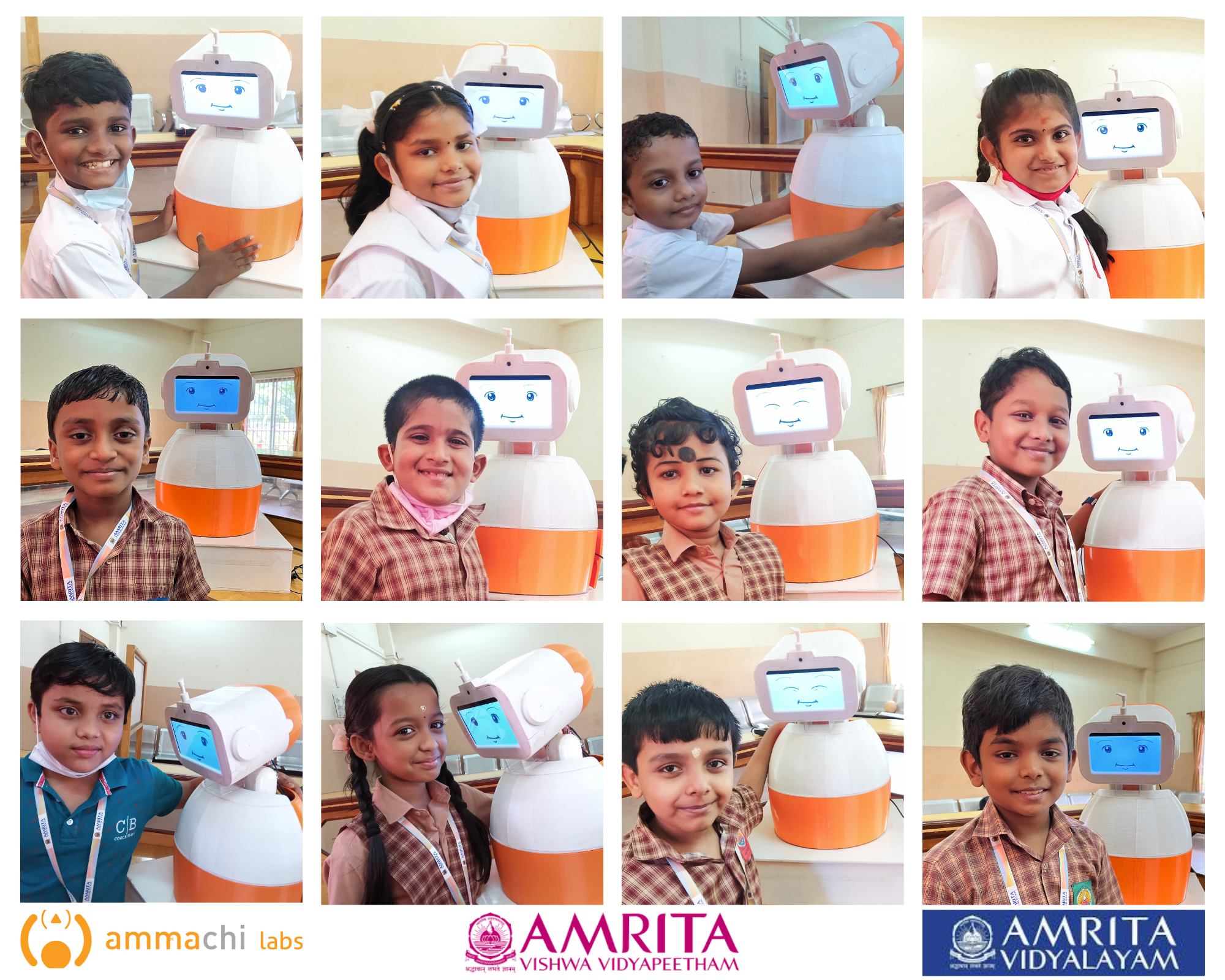
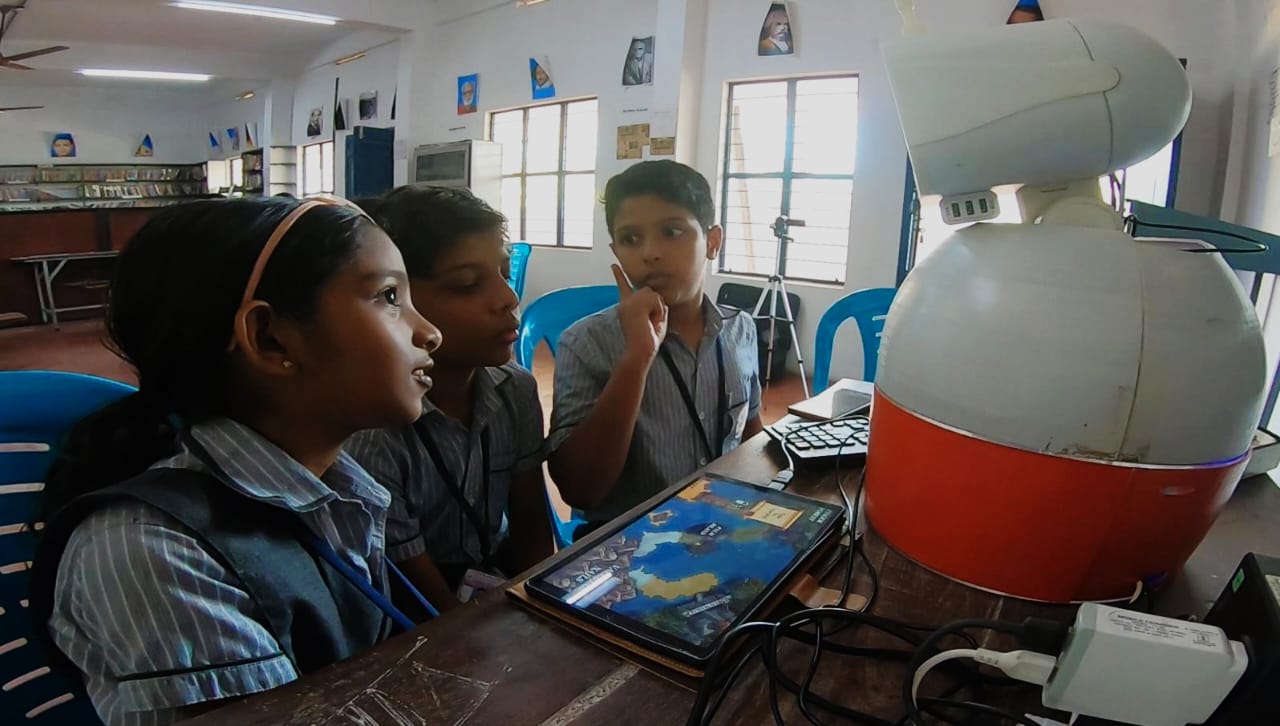
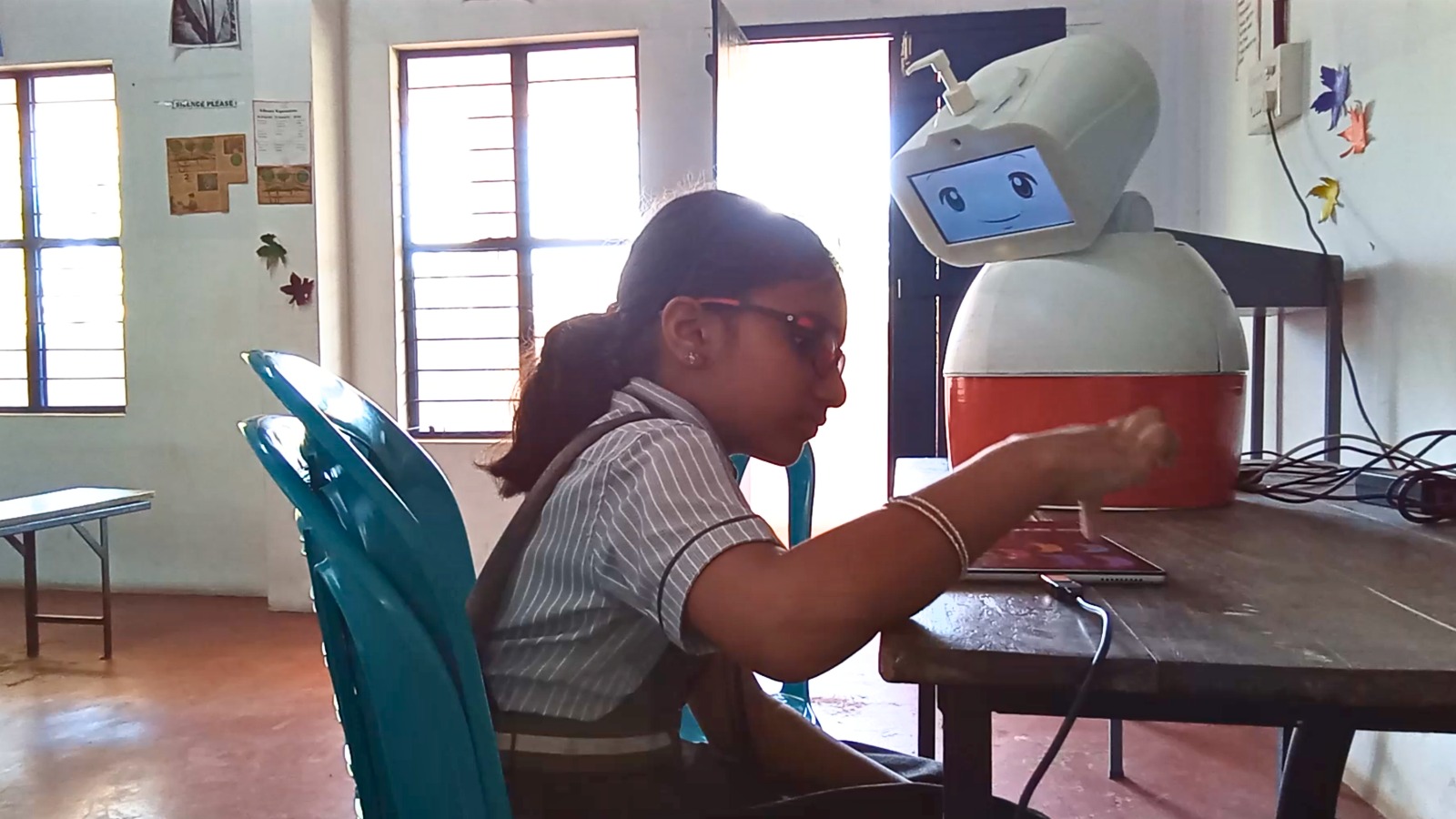
- Conducted pilot with children (ages 6–11) from rural and urban settings in Kerala to assess perceptions of the robot (likeability, trust, anthropomorphism, perceived intelligence, etc.) and feasibility for behaviour change.
- School-Based Outreach & Demonstrations
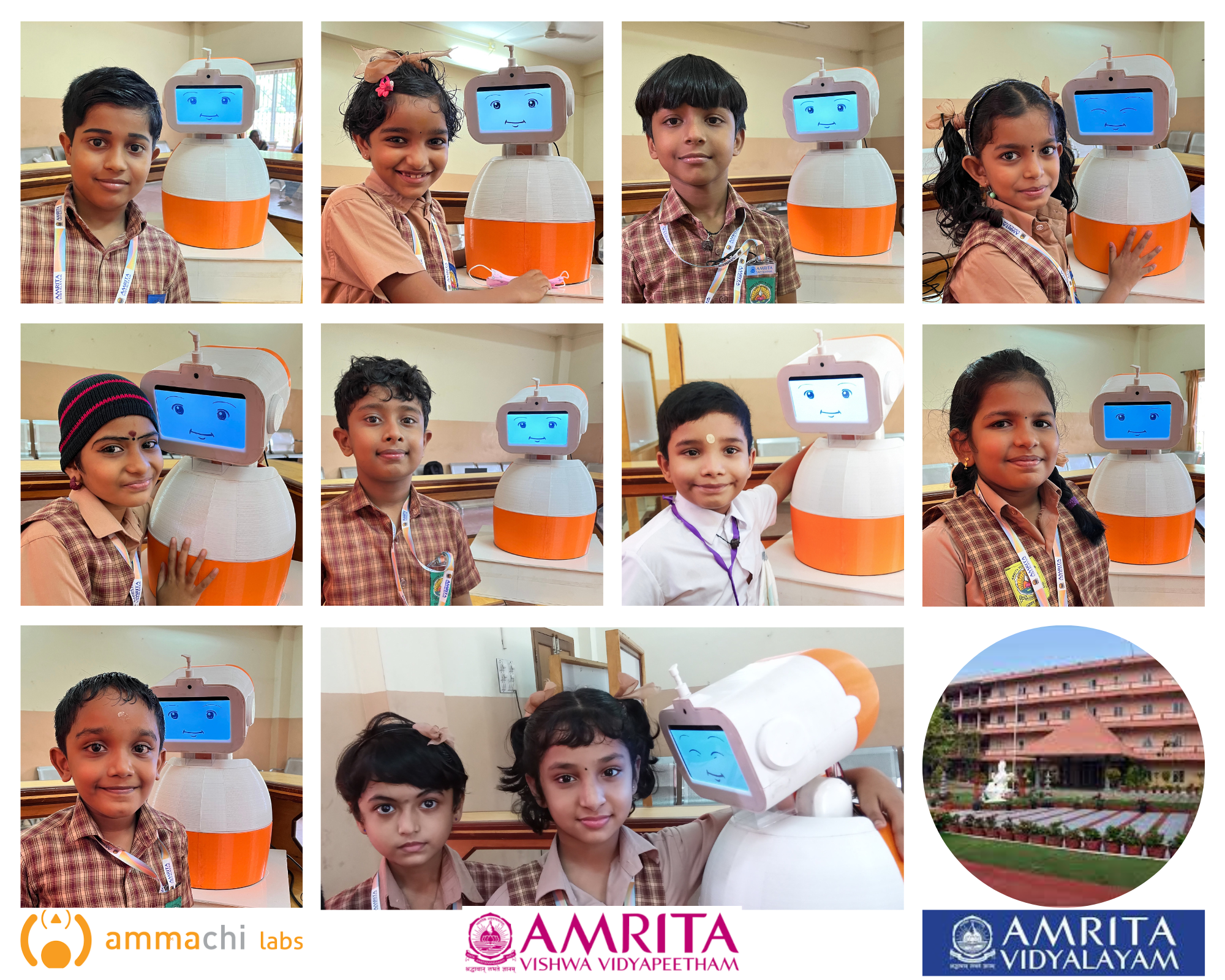
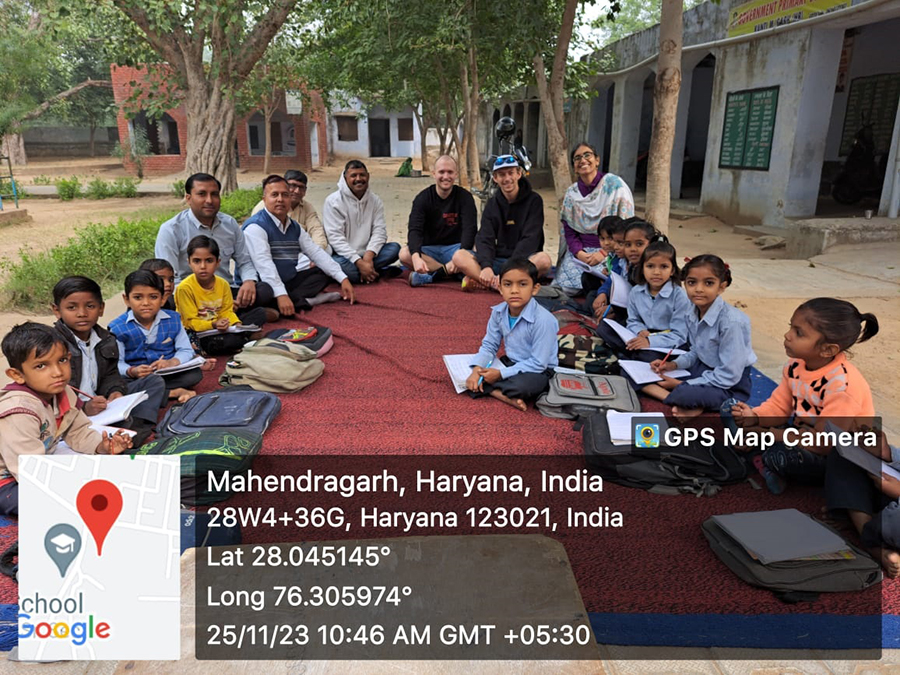
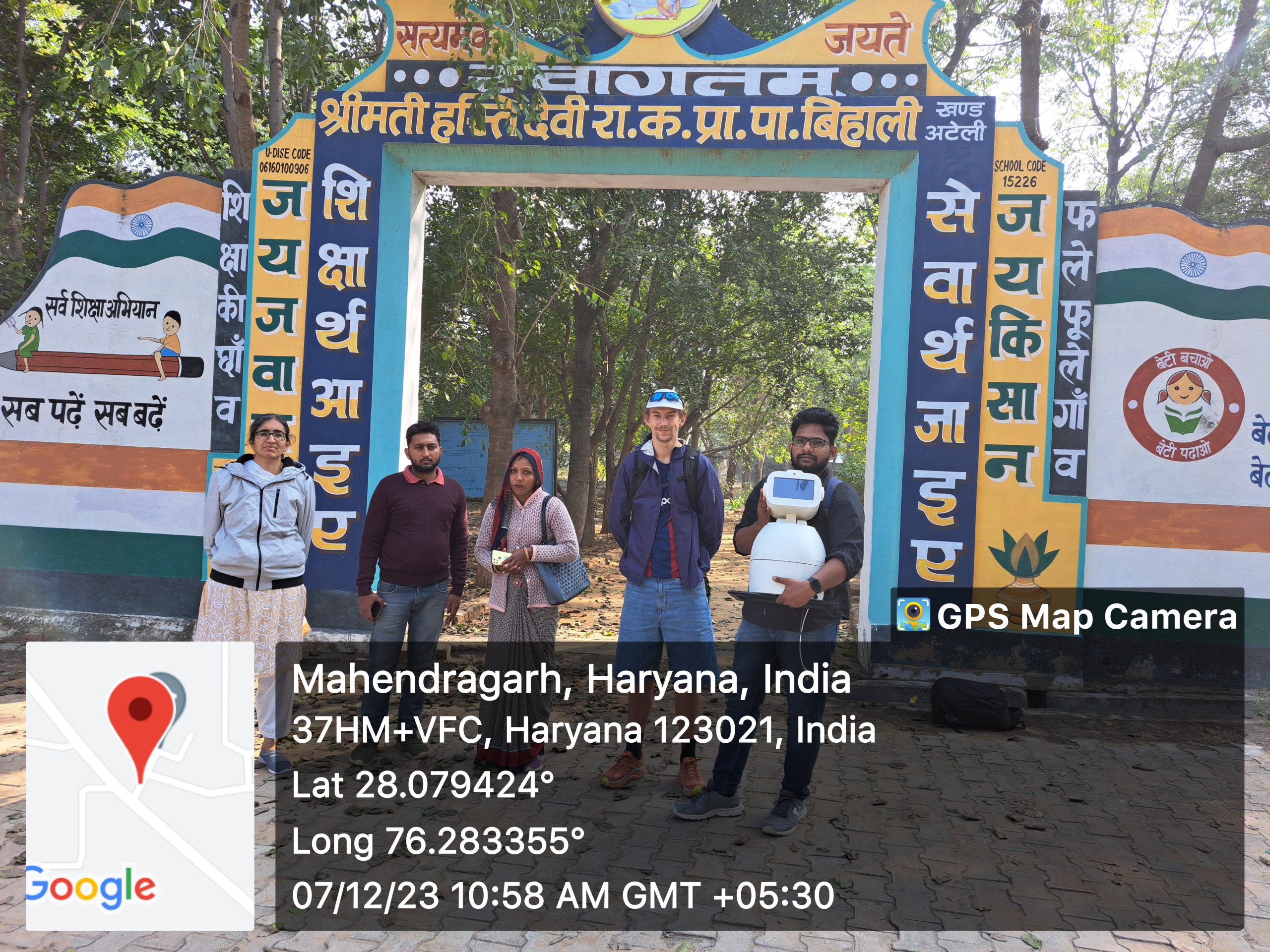
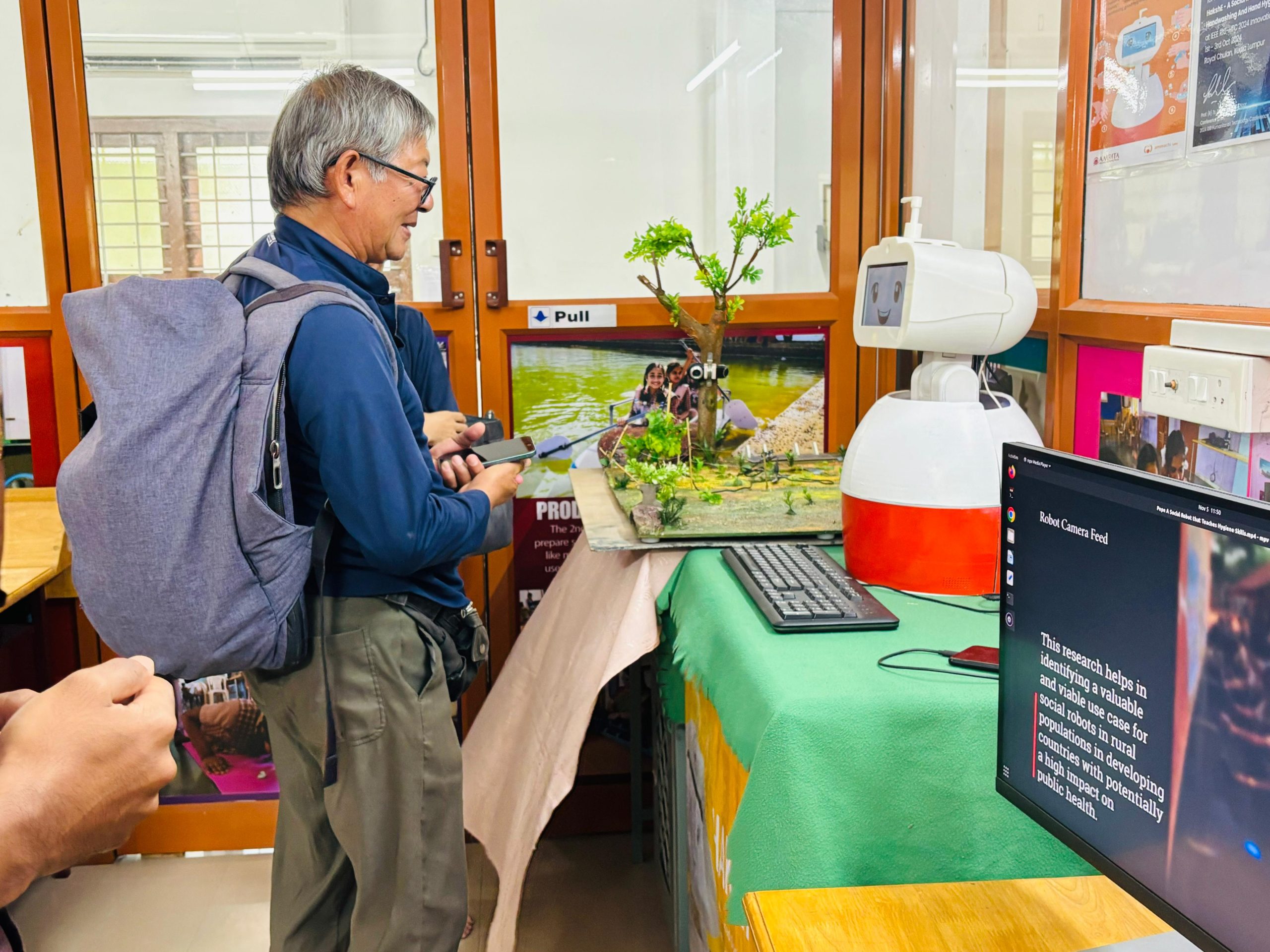
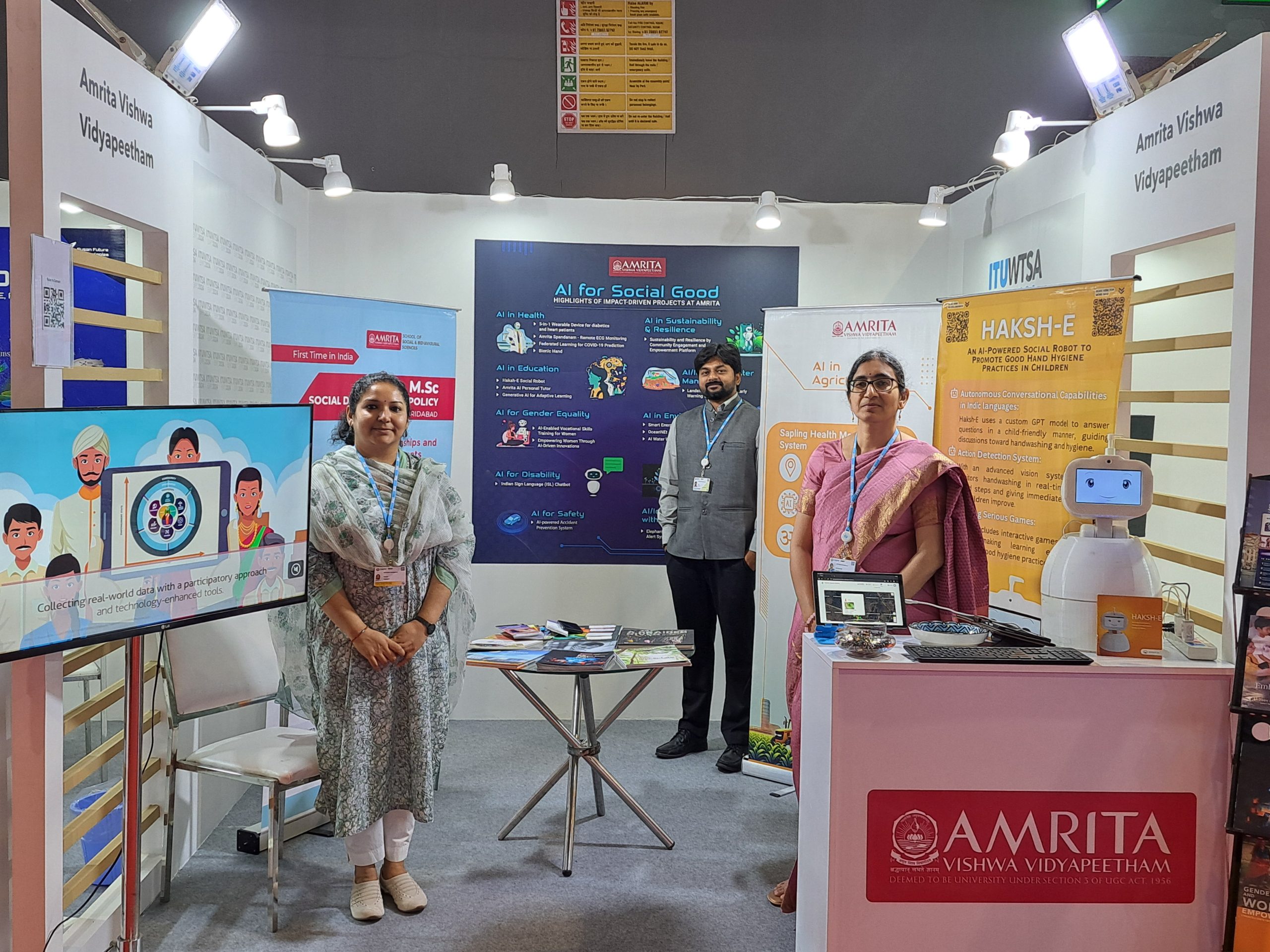
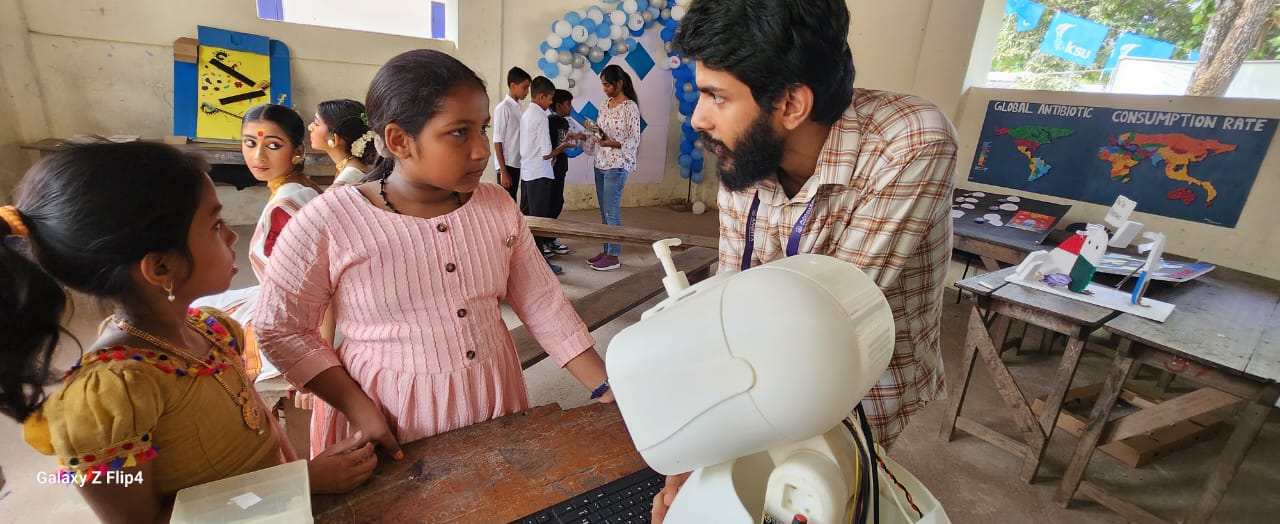
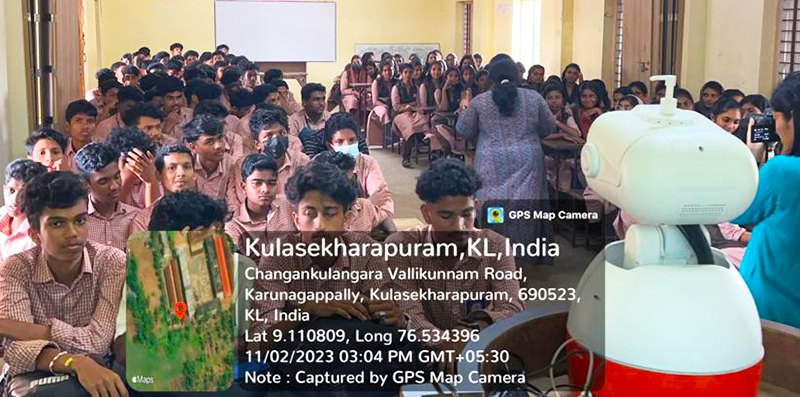
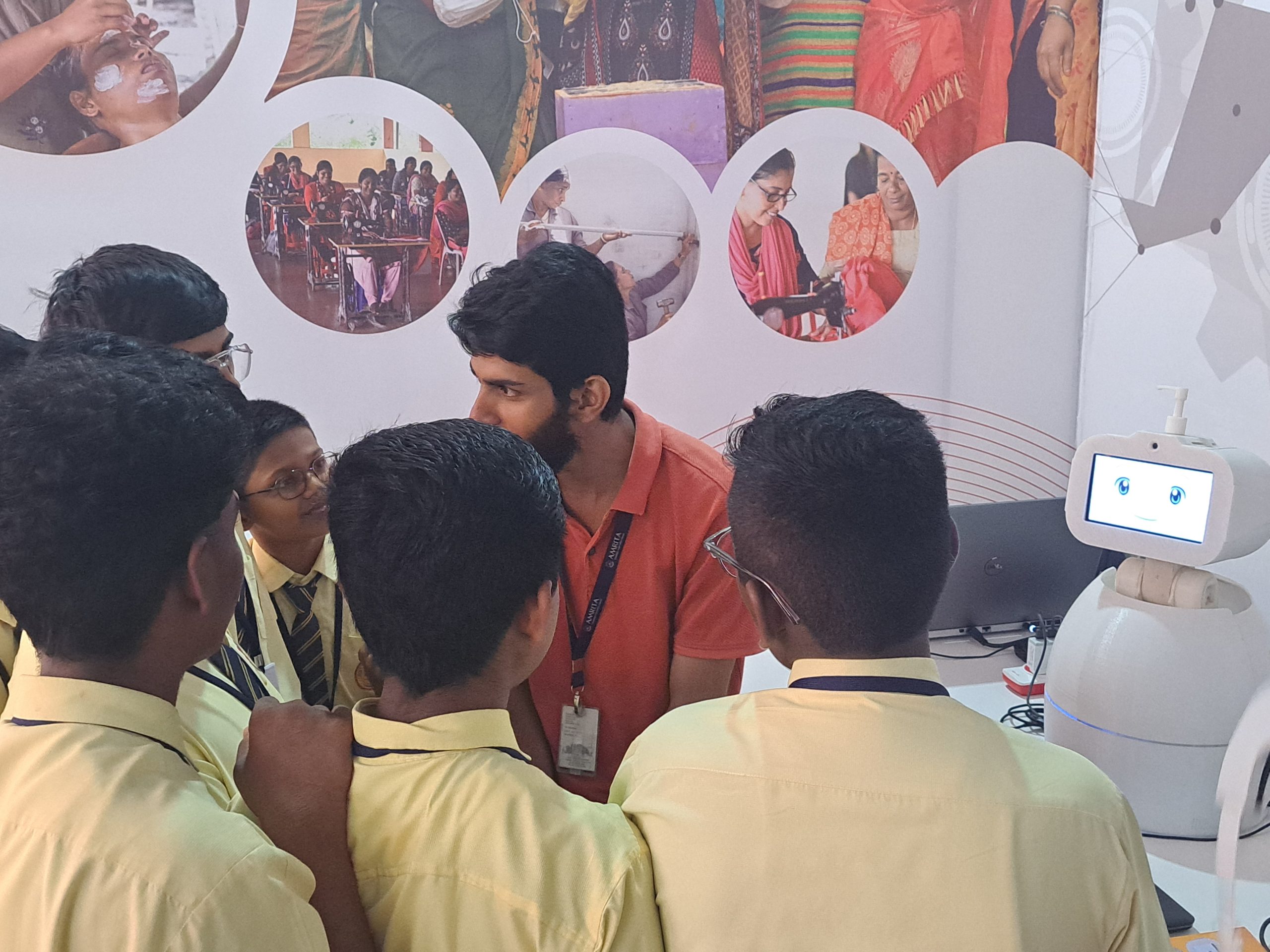
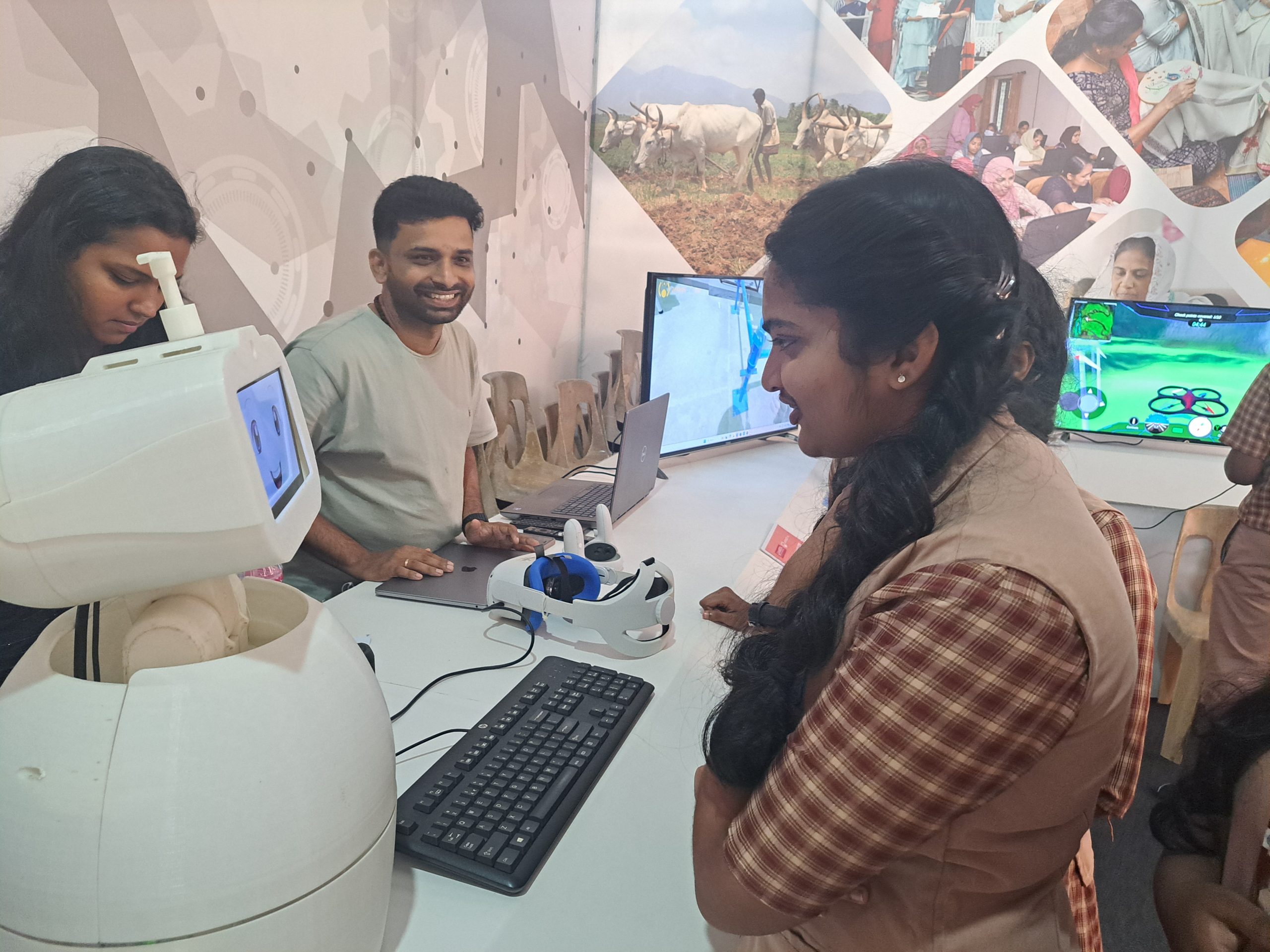
- Deployed HaKsh-E in schools and youth festivals as part of antimicrobial resistance (AMR) awareness and public health outreach (ALARM). Sessions combined interactive talks, demonstrations with HaKsh-E, and Q&A with students and teachers.
- Ongoing Field Studies
- Collaborations with international student teams (University of Twente students) to study the impact of persuasive robotics on children’s hygiene behaviour in real school settings.
Impact and Outcomes
1. Experimental Studies
- Small-scale study presented in IROS 2021 with 10 children (ages 6–11, rural + urban). Evaluated:
- Children’s acceptance of the robot across dimensions like likeability, perceived intelligence, trustworthiness, anthropomorphism, age, and gender.
Small-scale online study on gameplay with robots presented in RO-MAN 2022 with 32 children (ages 6–11, rural + urban). Evaluated:
Children’s acceptance of the robot across interaction level, verbal/facial engagement, and responsiveness to pro-social nudges such as help prompts and encouragement.
Found significantly higher engagement, particularly among girls when the robot displayed proactive social behavior.
Pro-social nudges did not significantly improve learning gains.
Feasibility of deploying the robot in child-centred spaces (schools, labs, community settings). The pro-social robot significantly enhanced interaction quality, showing utility in classrooms, labs, and remote education.
Small-scale study with 36 children (ages 7–11, rural India) using the HaKsh-E robot in individual and triad settings presented in ICRAS 2024. Evaluated:
Children’s acceptance of the robot through metrics such as trust, closeness, and perceived social support, along with interaction levels (eye contact, verbal response, positive emotion).
Group settings fostered higher interaction levels; individual settings prompted more verbal engagement.
Improvement in hand hygiene knowledge in both formats.
Learning gains were significantly higher in one-on-one settings, suggesting stronger educational impact in individual interactions.
2. School & Community Outreach (WAAW / ALARM)
HaKsh-E was presented in multiple schools in Kerala, engaging hundreds of students, teachers, and parents.
Outreach included:
Prevention of communicable diseases and antimicrobial resistance (AMR).
Correct handwashing steps and recommended duration.
Everyday contexts where proper hand hygiene is essential.
3. Persuasive Technology Studies
We investigated how robot-mediated interactions influence children’s motivation, understanding, and repeated practice of proper handwashing.
From the initial research publication and subsequent outreach:
1, High Acceptance & Engagement
Research studies provided evidence that children found HaKsh-E friendly, engaging, and trustworthy, indicating strong potential for the robot to function as a “health mentor” in child-centric spaces.
2, Improved Attention to Handwashing Steps
School outreach reports highlight that children better remembered the steps of handwashing, the minimum time required, and key moments when handwashing is important after interacting with HaKsh-E.
3, Positive Classroom Dynamics
During school outreach activities, teachers observed increased attentiveness and enthusiasm during sessions with HaKsh-E compared to traditional health talks.
4, Potential for Behaviour Change Monitoring
We believe that the action-recognition system can produce objective indicators of handwashing quality and duration, which can be scaled for larger studies and SDG-linked monitoring.
Awards / Recognition
.
Toycathon 2021-22 award, Know More >>
Featured in International Telecommunication Union (ITU)’s AI For Good Community Know More >>
Future Plan and Scalability
To take HaKsh-E from successful pilots to broader impact, the proposed roadmap includes:
- Larger-Scale Controlled Trials
- Multi-school RCTs comparing HaKsh-E–mediated education with standard IEC (Information, Education & Communication) methods.
- Outcome measures: correctness of handwashing, frequency, incidence of common infections, and AMR-related knowledge.
- Integration with School Health & WASH Programs
- Alignment with government WASH, school health, and AMR action plans.
- Co-branded deployments with public health agencies and NGOs working on hygiene promotion.
- Modular Content Expansion
- Additional content packs for cough/sneeze etiquette, safe water handling, menstrual hygiene, and other child-relevant health topics.
- Low-Cost & Open Designs
- Exploring lower-cost hardware variants and open educational resources to enable replication by schools, makerspaces, and international partners.
Alignment / SDGs / Policies
Reports and publications
| Pilot Completion Report | |
| Impact Evaluation Report | Not Available online yet. It is in AMMACHI labs Google Drive page at |
| Publication 1 | https://www.scopus.com/pages/publications/85147597152 |
| Publication 2 | https://www.amrita.edu/publication/haksh-e-an-autonomous-social-robot-for-promoting-good-hand-hygiene-among-children/ |
| Publication 3 | https://www.scopus.com/pages/publications/85137160830 |
| Publication 4 | https://www.scopus.com/pages/publications/85140717027 |
| Publication 5 | https://www.scopus.com/pages/publications/85145661394 |
| Publication 6 | https://www.scopus.com/pages/publications/85204476673 |
Multimedia Gallery / Selected Pictures
Contact Information
Contact Person | Gayathri Manikutty – Senior Researcher, AMMACHI Labs |
Email / Phone | gayathri.manikutty@ammachilabs.org / +91 81130 76224 |
Website Link | |
Social Media | https://www.linkedin.com/in/gayathri-manikutty/ https://www.facebook.com/gayathri.anand.5817/
|