Virtual Skill Labs for PSSCIVE

Year: 2024–2026 | Country: India | Funding: EdCIL (India) Ltd, Ministry of Education
0
Virtual Skill Labs
0
Project Phases
0
Industry Sectors
0
Languages (EN & HI)

Project Background & Motivation

India's vocational education ecosystem is undergoing a significant transformation. The National Education Policy (NEP) 2020 emphasises the integration of vocational education starting from secondary school, envisioning that by 2025, at least 50% of learners in the school and higher education system will have exposure to vocational skills. Pandit Sunderlal Sharma Central Institute of Vocational Education (PSSCIVE), Bhopal — a constituent unit of NCERT — plays a central role in this vision, developing curricula and learning resources for vocational subjects offered in secondary and senior secondary schools across the country.

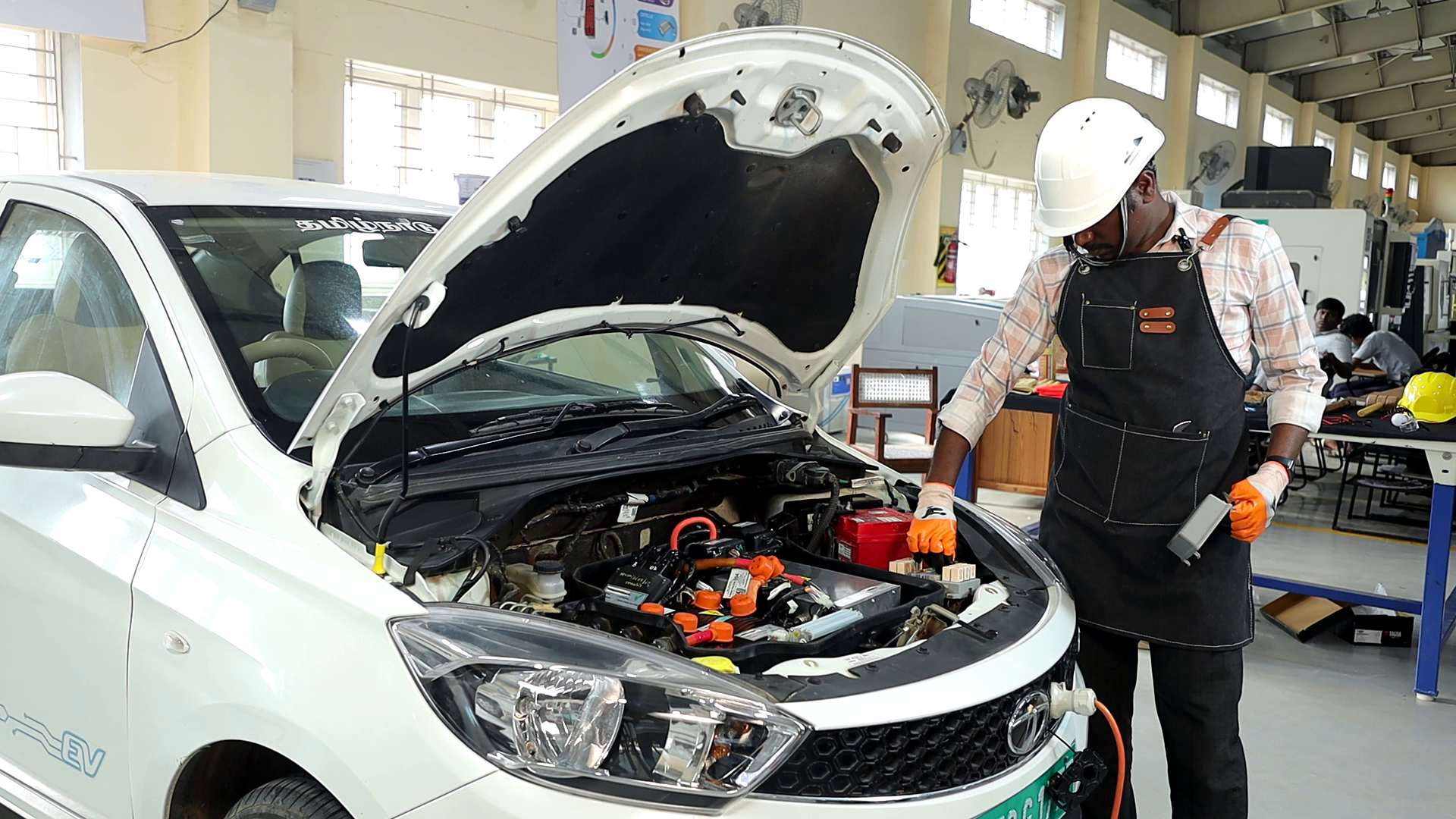
However, a persistent challenge in vocational education at the school level is the gap between theoretical instruction and meaningful hands-on practice. Many secondary schools offering vocational courses lack the specialised equipment, consumables, and trained instructors needed to deliver quality practical training. Students studying trades such as healthcare, automotive technology, food processing, or telecommunications often complete their courses with limited exposure to the actual tools and procedures of their chosen vocation. This gap undermines both learning outcomes and employability.

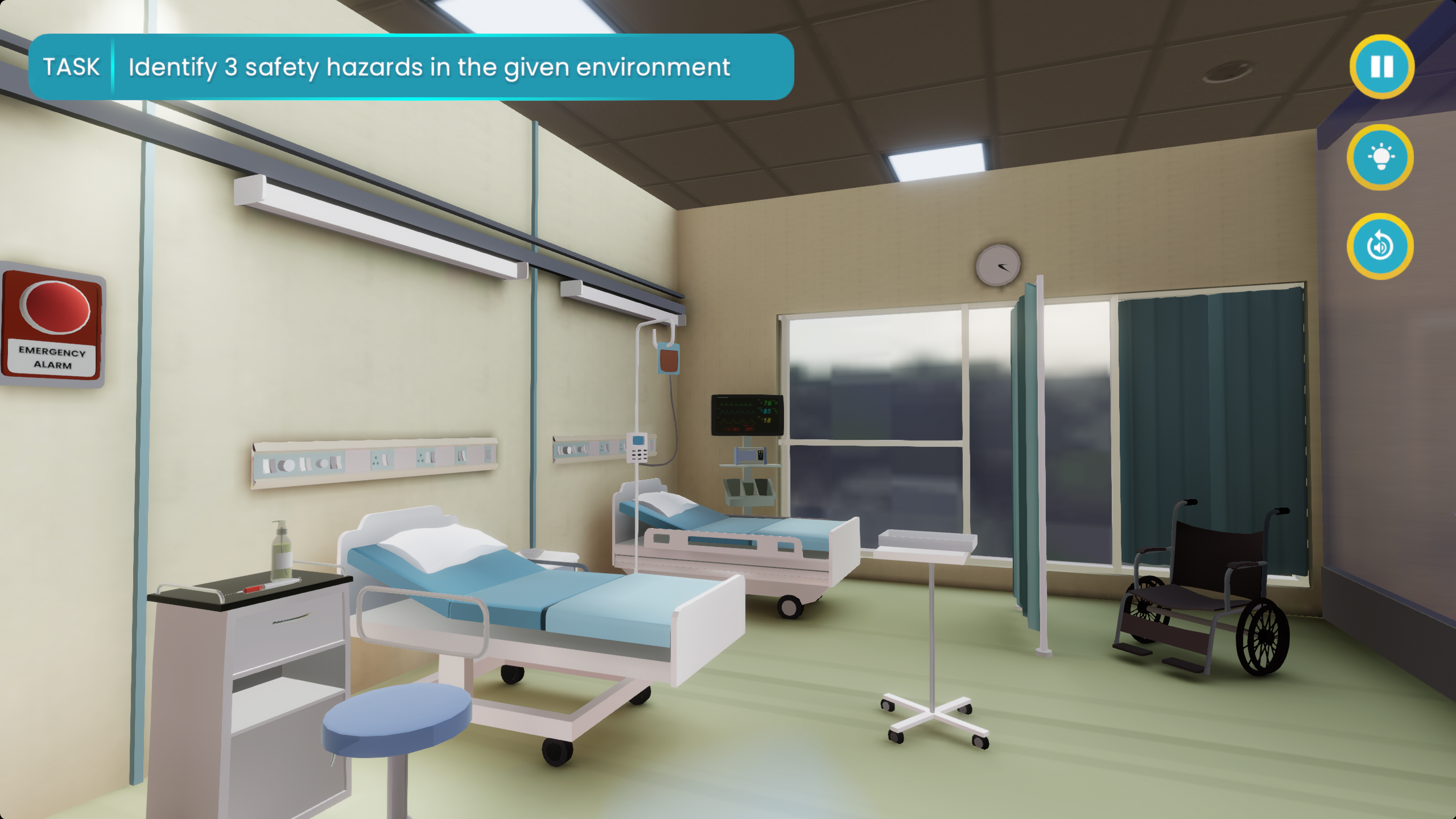
Virtual Skill Labs (VSLs) offer a compelling solution. By providing interactive, simulation-based learning experiences, VSLs enable learners to practise cognitive and psychomotor skills in a safe, repeatable virtual environment — free from the constraints of physical infrastructure, equipment availability, or geographic location. They allow students to visualise complex processes, manipulate virtual equipment, and build procedural confidence before encountering real-world scenarios.

Commissioned by EdCIL (India) Limited, this project tasks AMMACHI Labs with designing and developing 40 Virtual Skill Labs across two phases, covering job roles in Healthcare, Automotive, Food Processing, Telecom, Beauty & Wellness, Construction, Aerospace & Aviation, Electronics, Organised Retail, and Home Management. The VSLs are aligned with National Skills Qualification Framework (NSQF) job roles, produced in both English and Hindi, and deployed on the DIKSHA national learning platform for free access by secondary school students, vocational educators, and training providers.

Project Details

Project Title
Development of Virtual Skill Labs for PSSCIVE, Bhopal
Dept / Lab
AMMACHI Labs, Amrita Vishwa Vidyapeetham
Principal Investigator
Dr. Bhavani Rao, Director — AMMACHI Labs
Co-Principal Investigator
Mr. Ajay Balakrishnan, Associate Director — AMMACHI Labs
Project Manager
Ms. Kavitha Karthikeyan
Funding Agency
EdCIL (India) Limited, Ministry of Education
End Client
PSSCIVE, Bhopal
Project Duration
Phase I: May 2024 – Aug 2025 | Phase II: Jul 2025 – Mar 2026
Total Project Value
₹1,67,56,000 (₹83,78,000 per phase)
Deployment Platform
DIKSHA (National Digital Infrastructure for Knowledge Sharing)
Tag
Simulation-Based Learning · Virtual Skill Labs · TVET · NSQF

Scope of Work

For each of the 40 job roles, AMMACHI Labs designed, developed, and delivered a complete Virtual Skill Lab package comprising the following components:

📄
Skill Introduction
Text-based overview introducing the skill, its relevance, and practical applications.
🎬
Introduction Video
2–3 minute video providing a concise overview of the job role and learning objectives.
🎞
Concept & Procedure Video
6–7 minute video explaining fundamental principles through 2D/3D animations.
🕹
Interactive Simulation
15-minute 3D simulation for hands-on practice, compatible with mobile devices.
Self-Check Assessments
Minimum 5 assessment questions to evaluate learner comprehension and progress.
📝
Assignments & Resources
Practical assignments and reference materials to reinforce learning outcomes.

Virtual Skill Labs Developed

Phase I — 20 VSLs

1. Disposal of Biomedical Waste and its Management
Healthcare
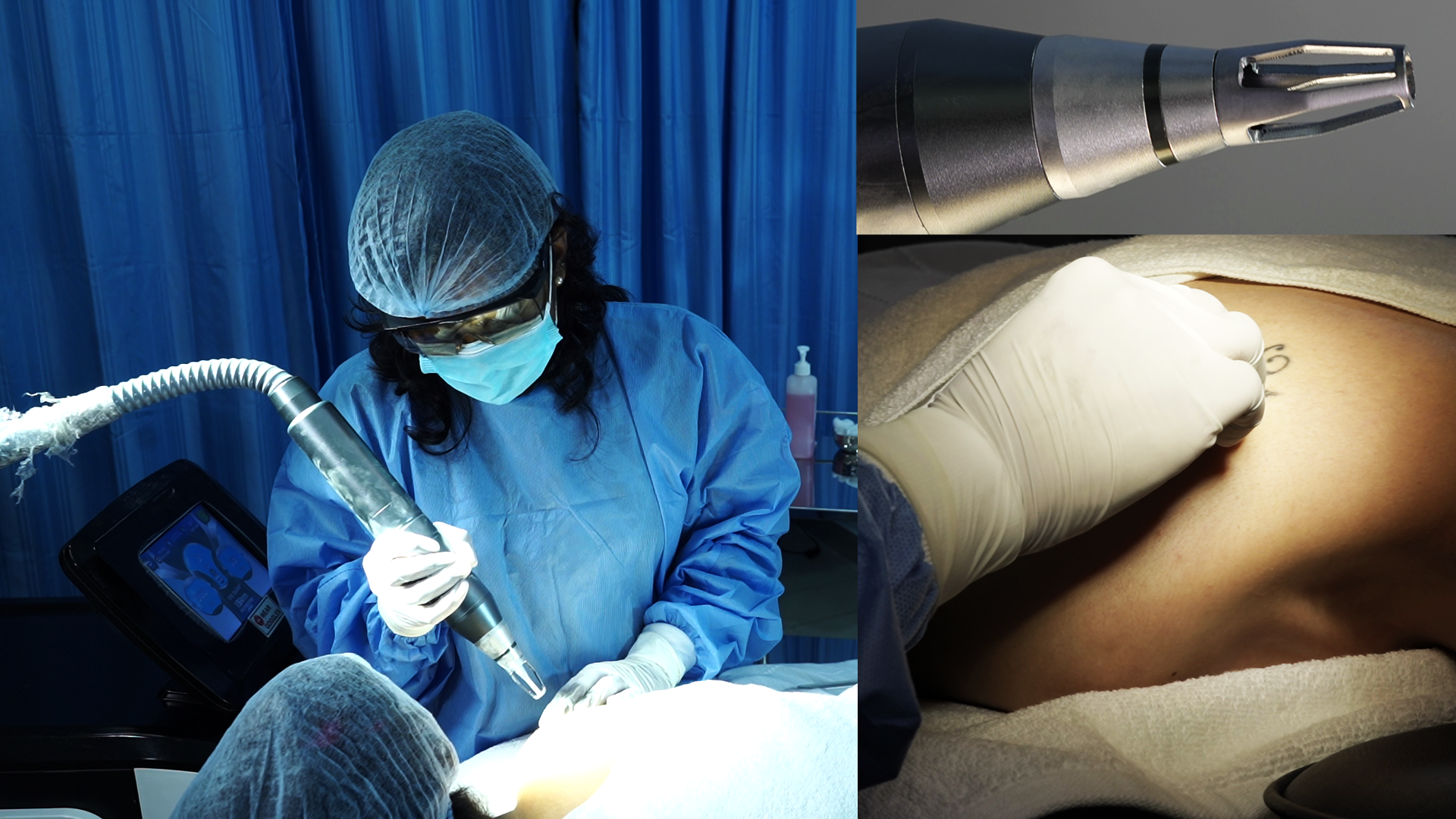
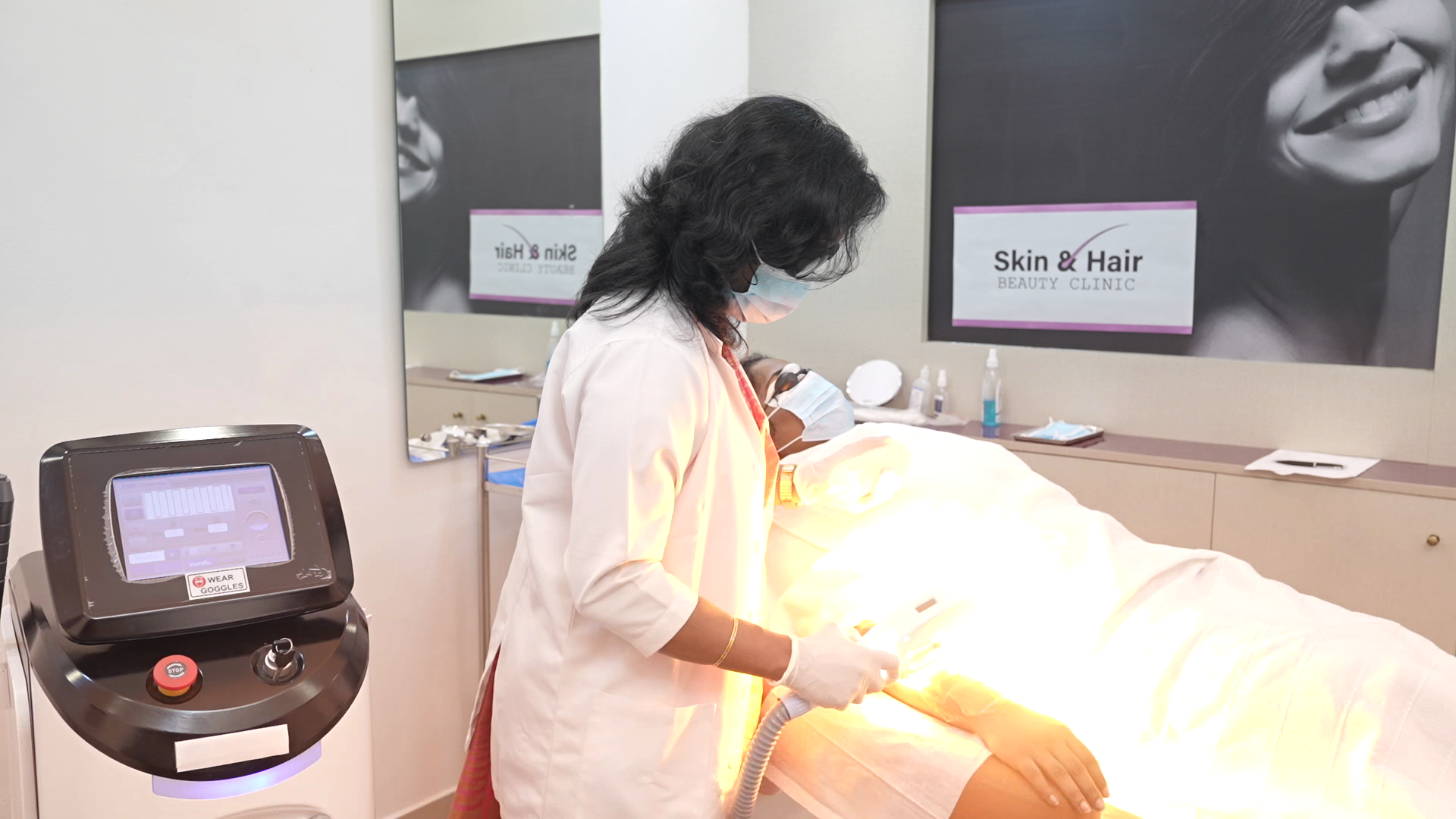
2. Laser Hair Removal
Beauty & Wellness
3. Laser Tattoo Removal
Beauty & Wellness
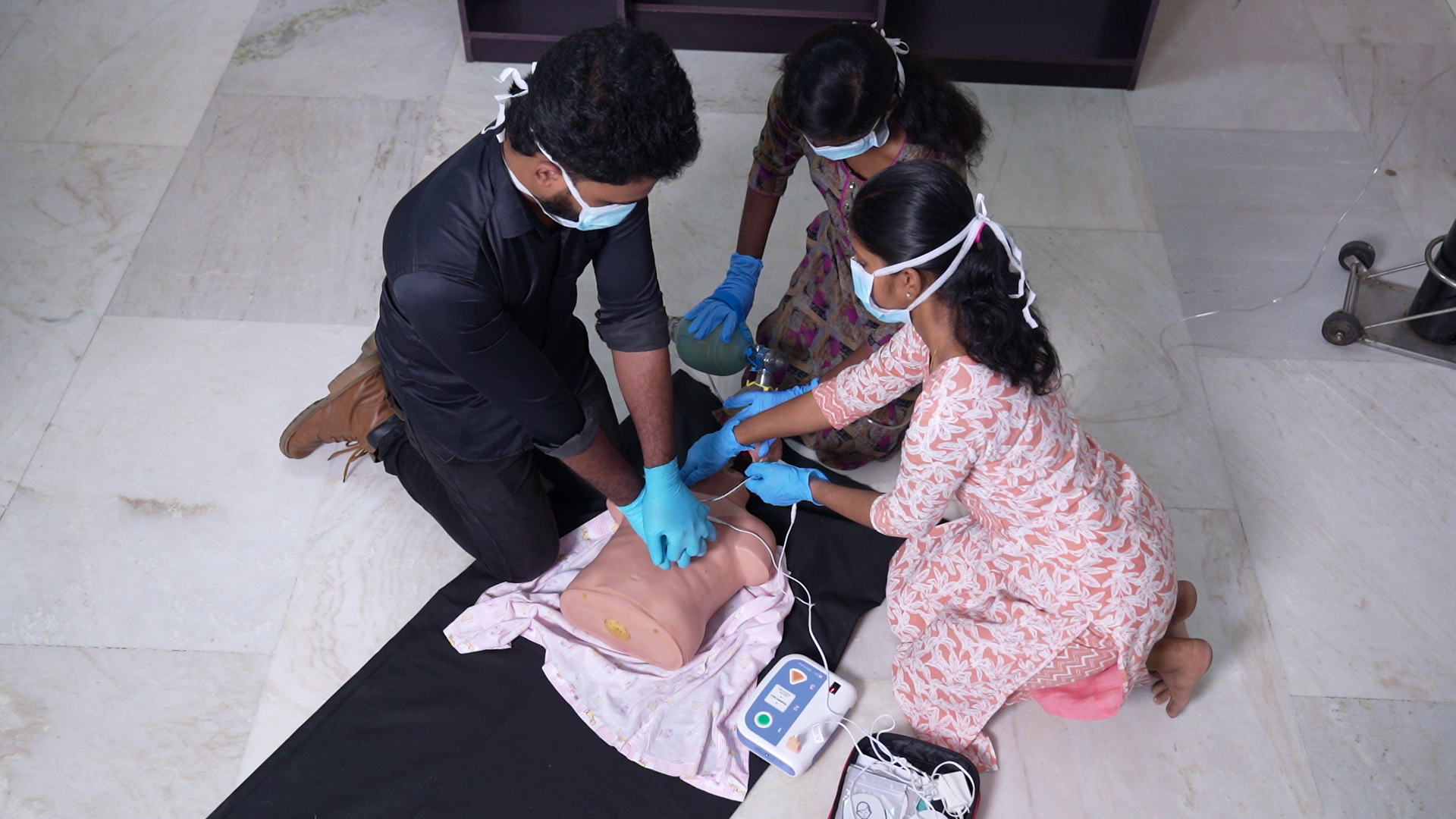
4. First Aid Training for CPR
Healthcare
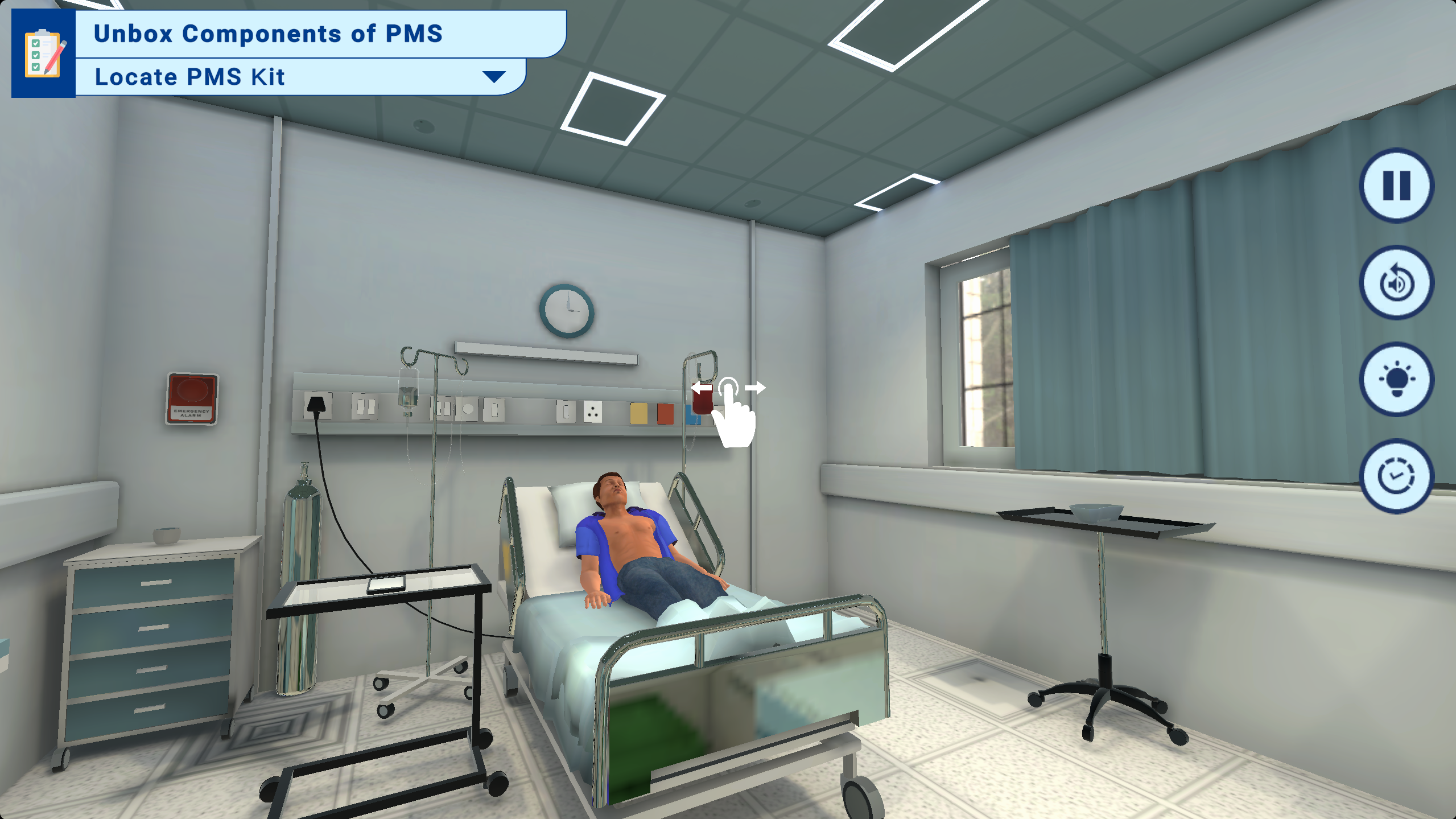
5. Patient Monitoring System
Healthcare
6. Travel Itinerary Preparation
Tourism & Hospitality
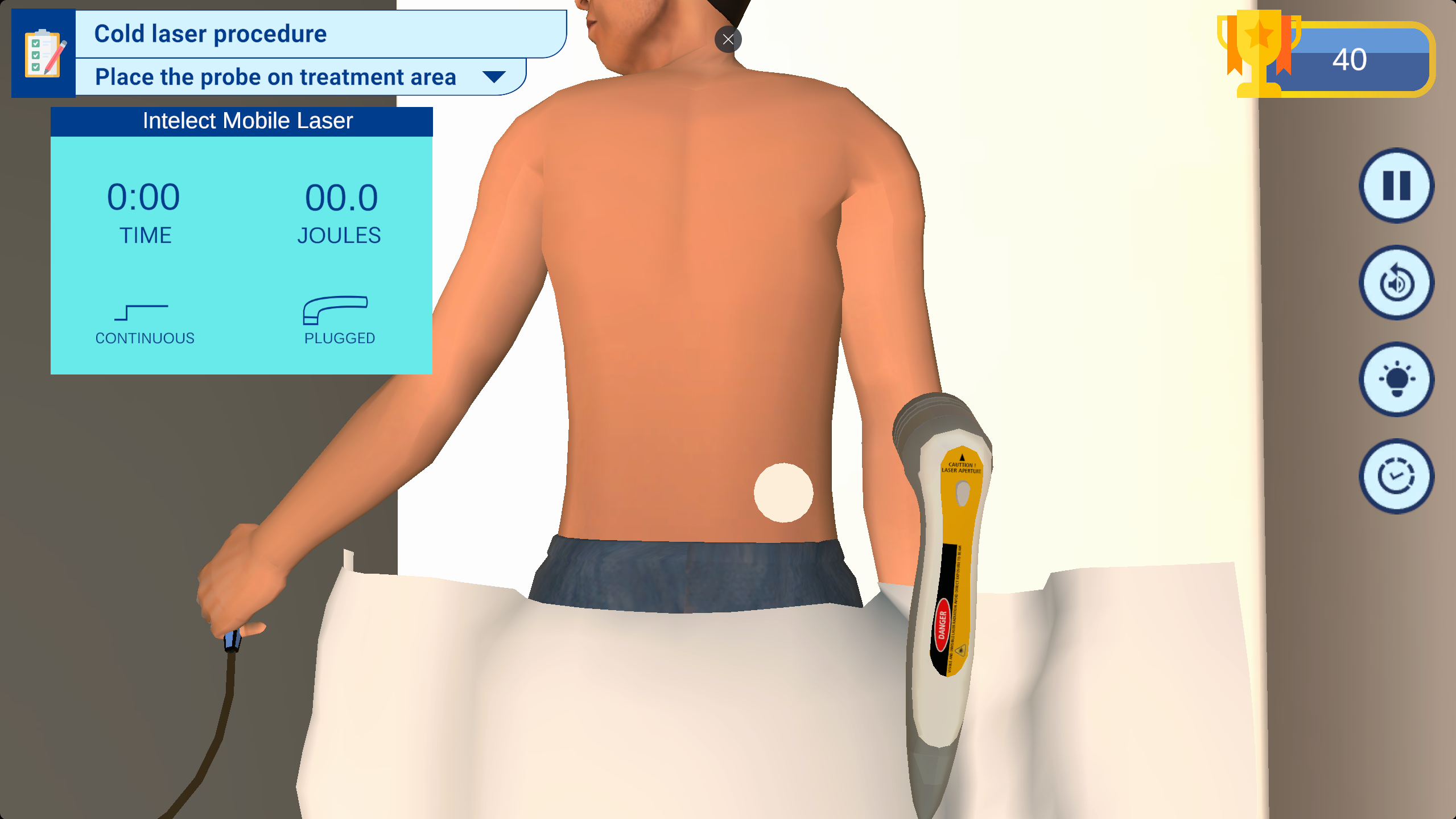
7. Low Level Laser Therapy
Beauty & Wellness
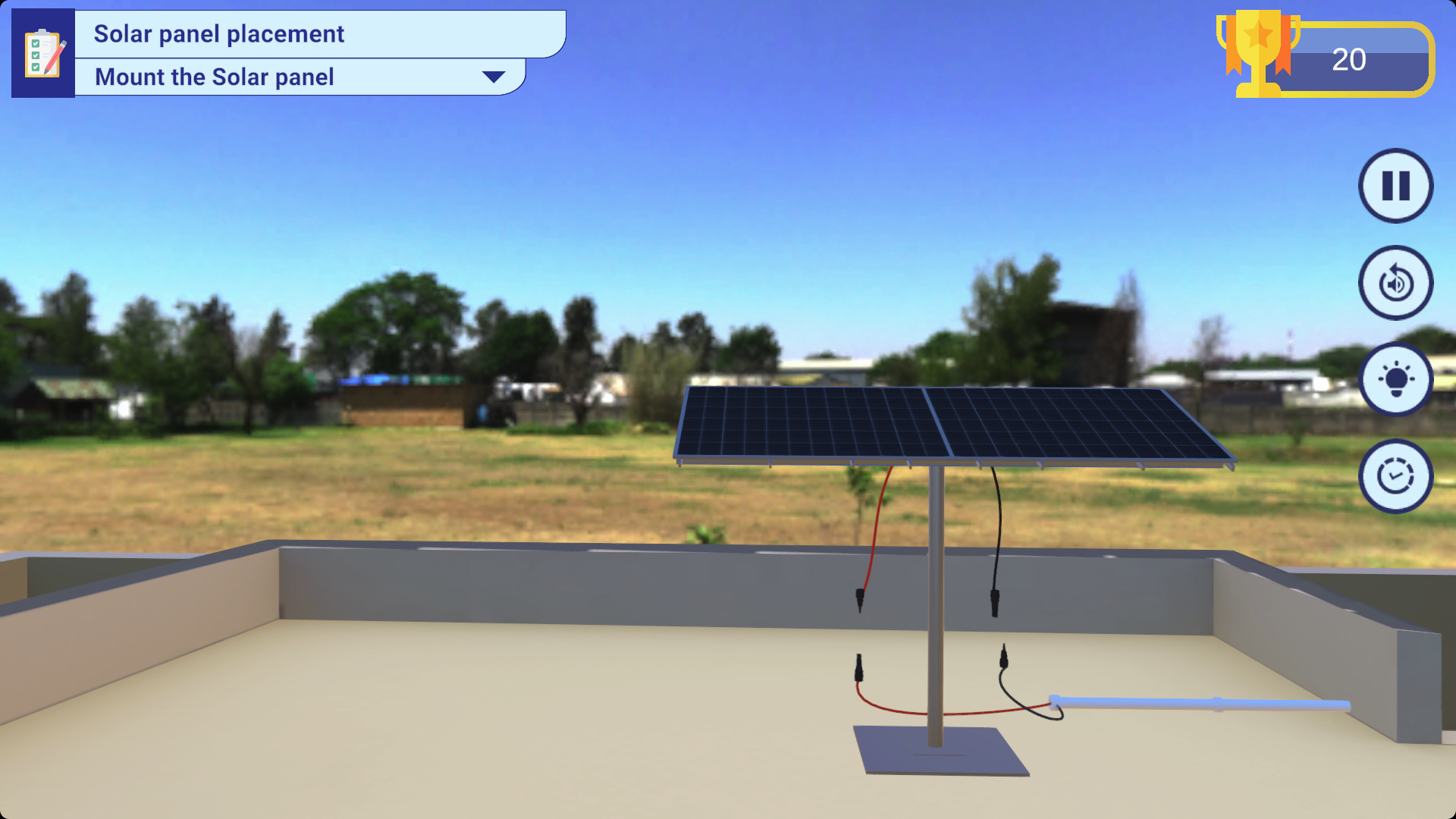
8. Foundations of Off-Grid Solar Panel Installation
Green Skills
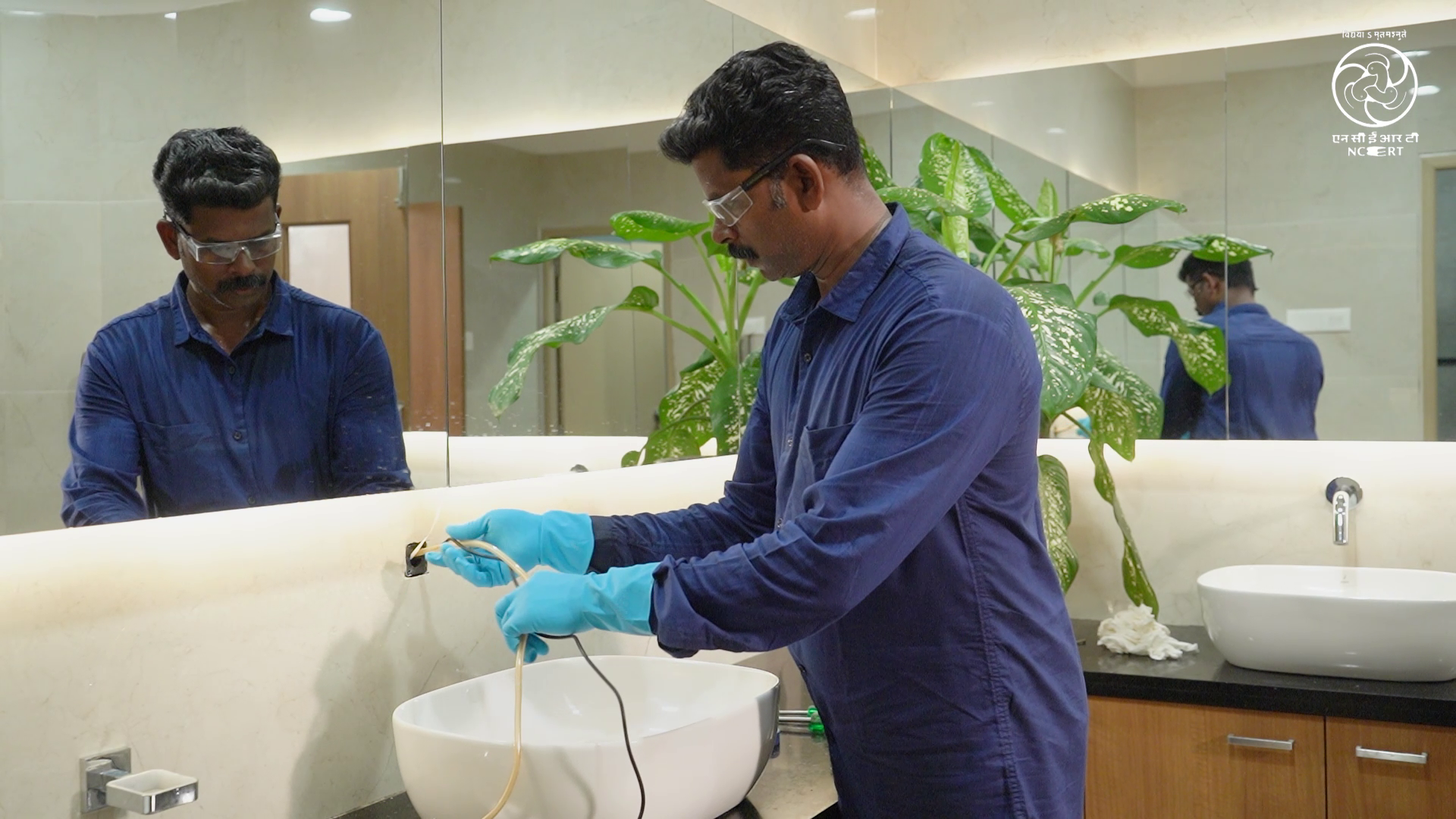
9. Sensor Operated Faucet System
Plumbing
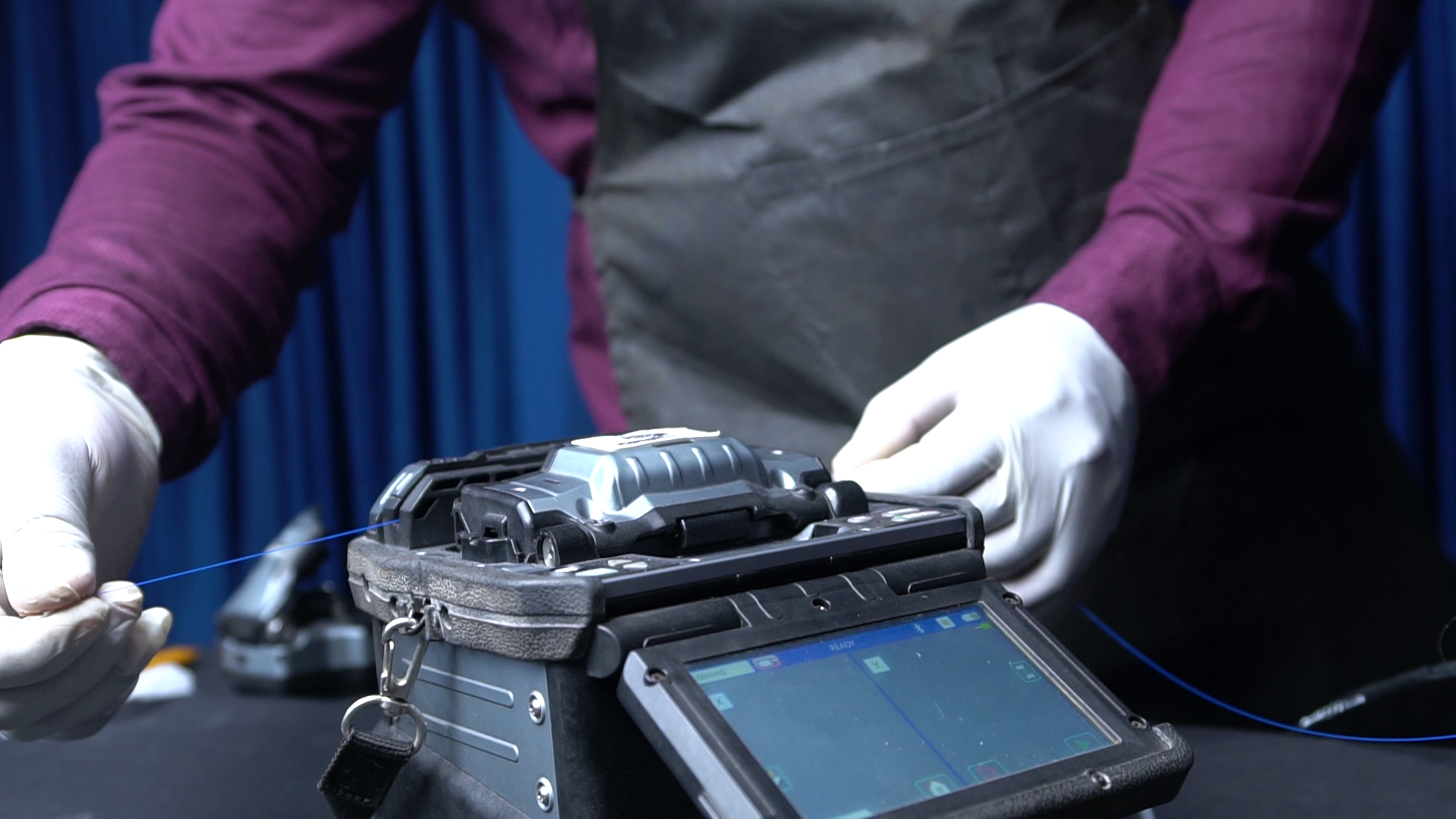
10. Optical Fiber Fusion Splicing
Telecommunication
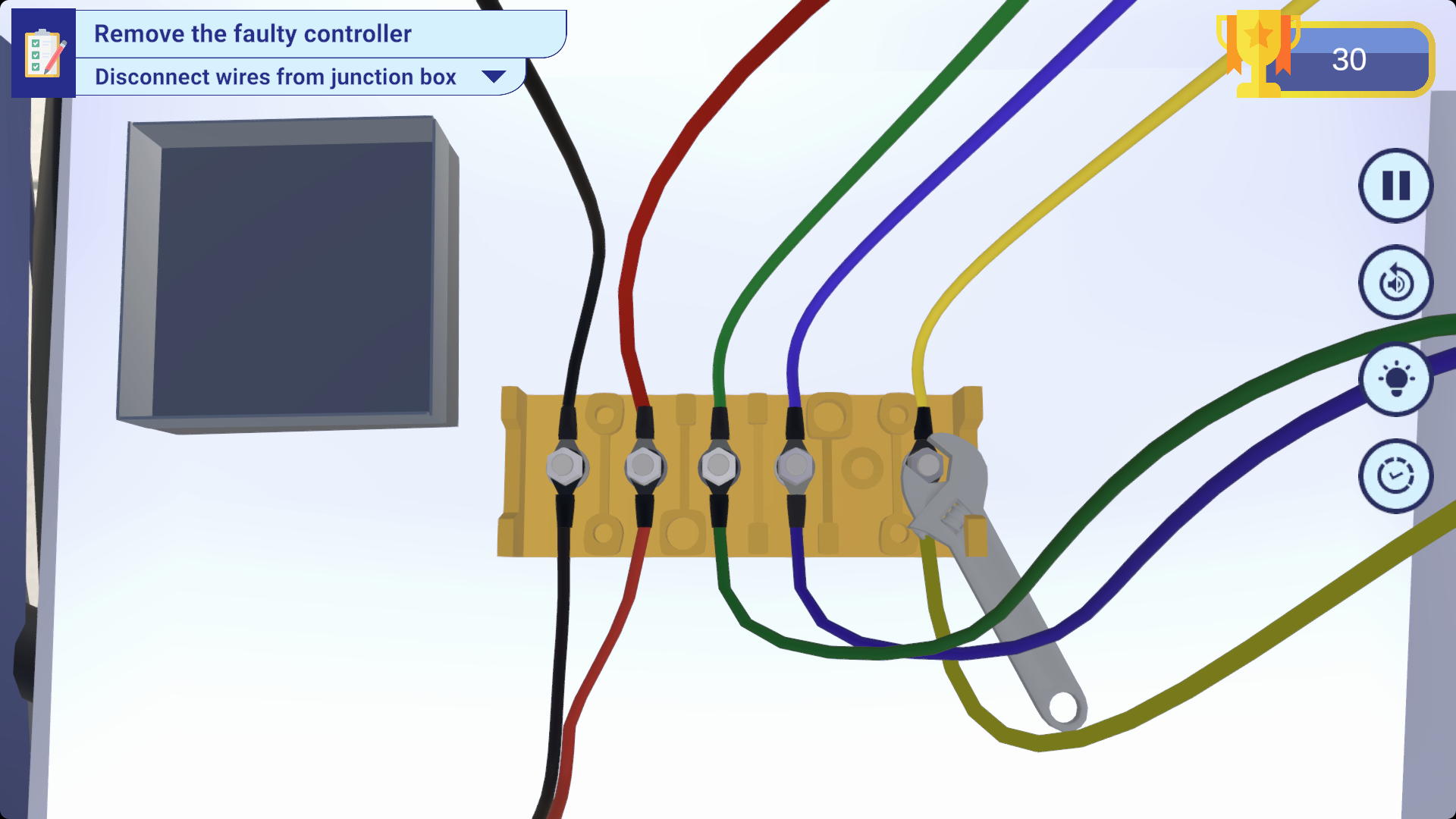
11. EV Two-Wheeler BLDC Motor Controller
Automobile
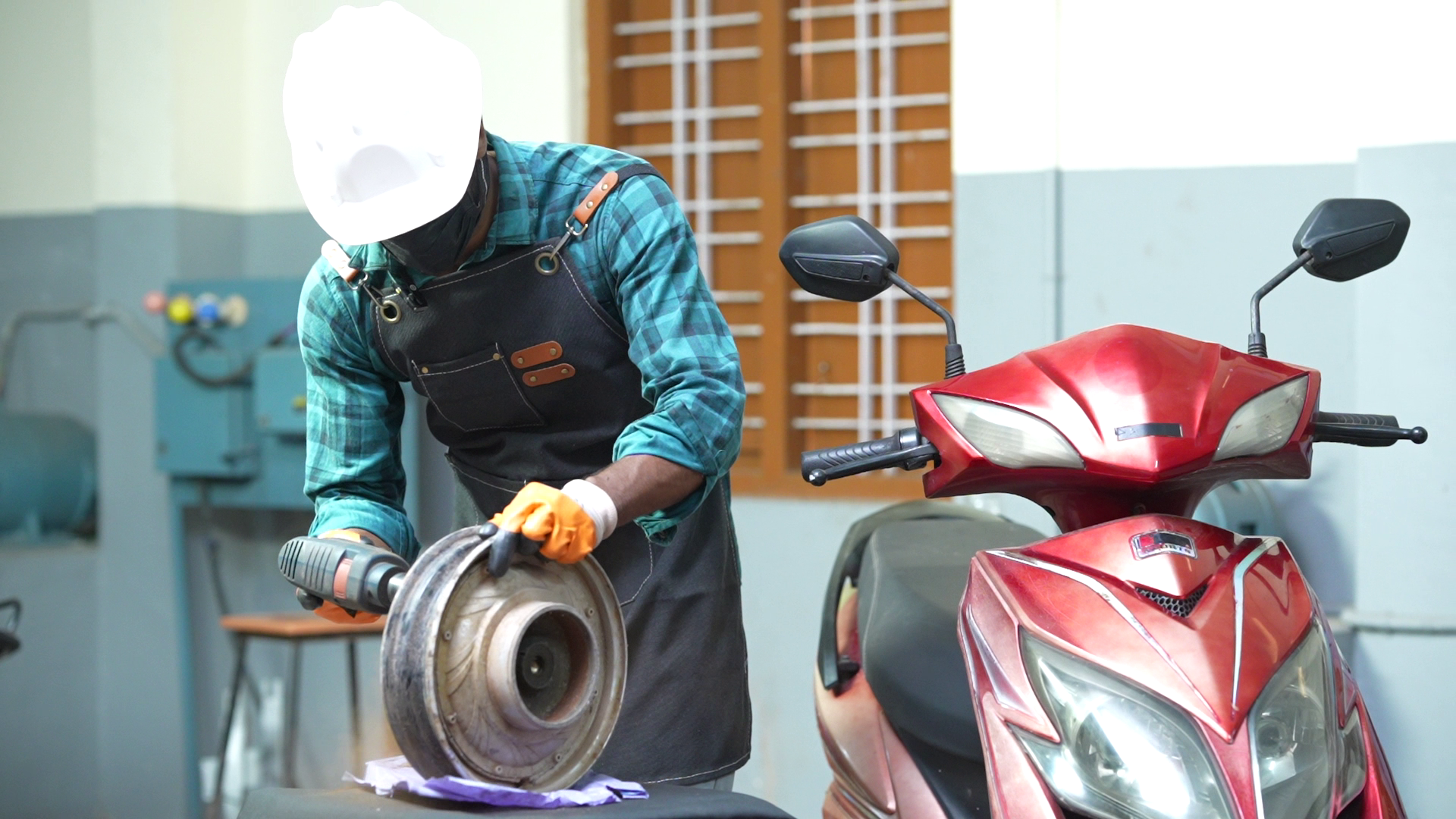
12. Repair of Brushless DC Motor for EV Two-Wheeler
Automobile
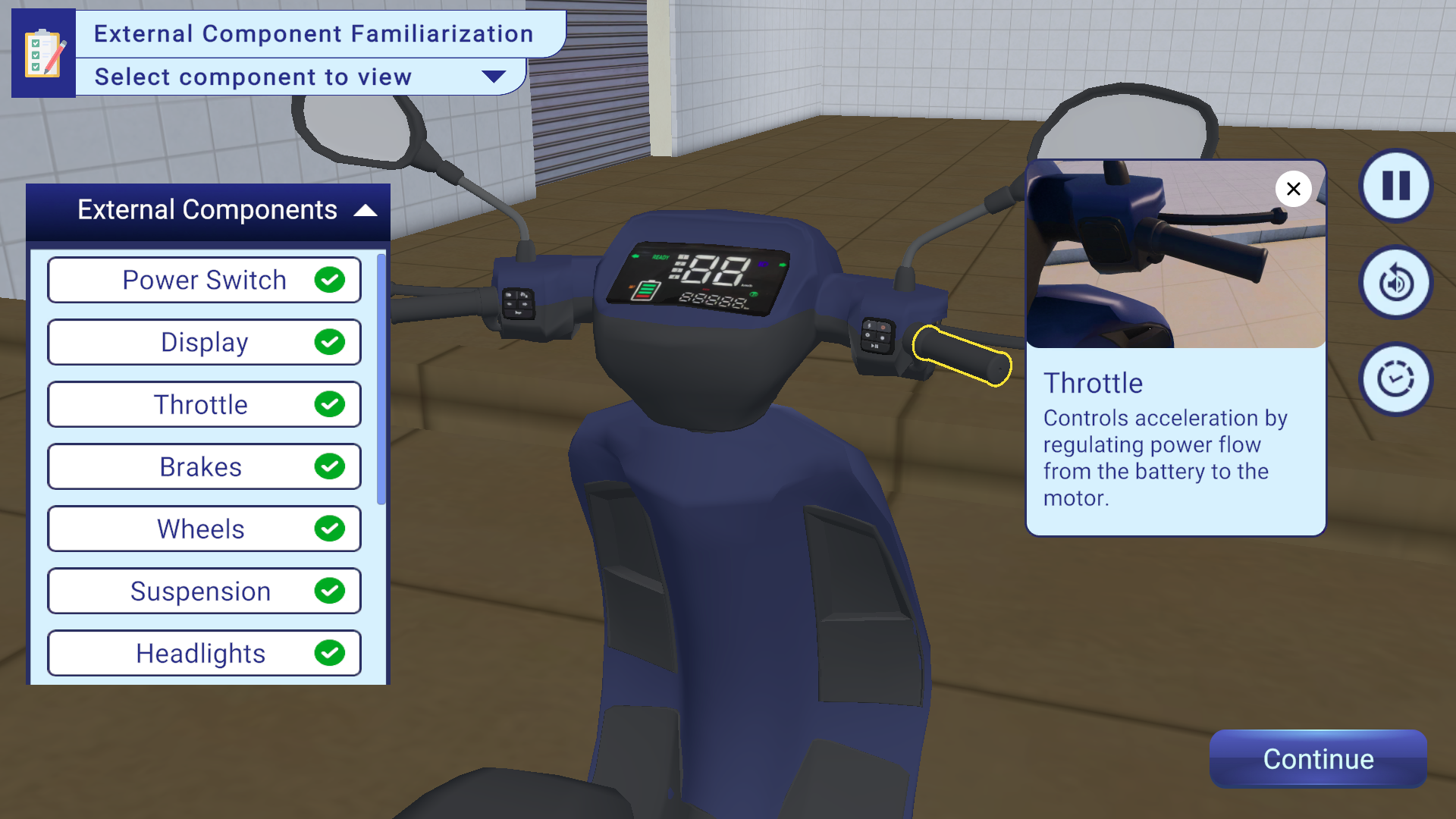
13. Components of EV Two-Wheeler
Automobile
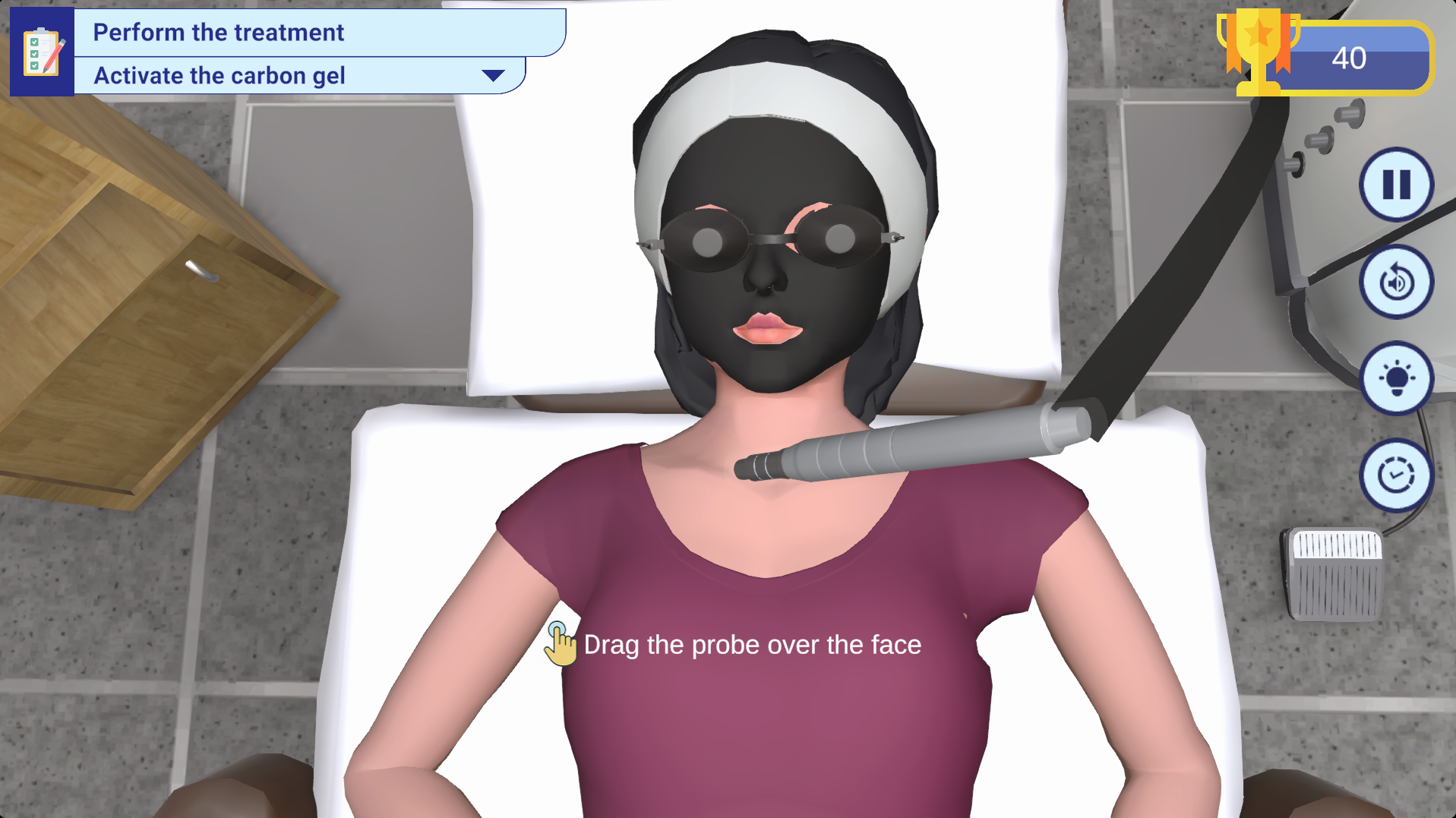
14. Carbon Laser Treatment
Beauty & Wellness
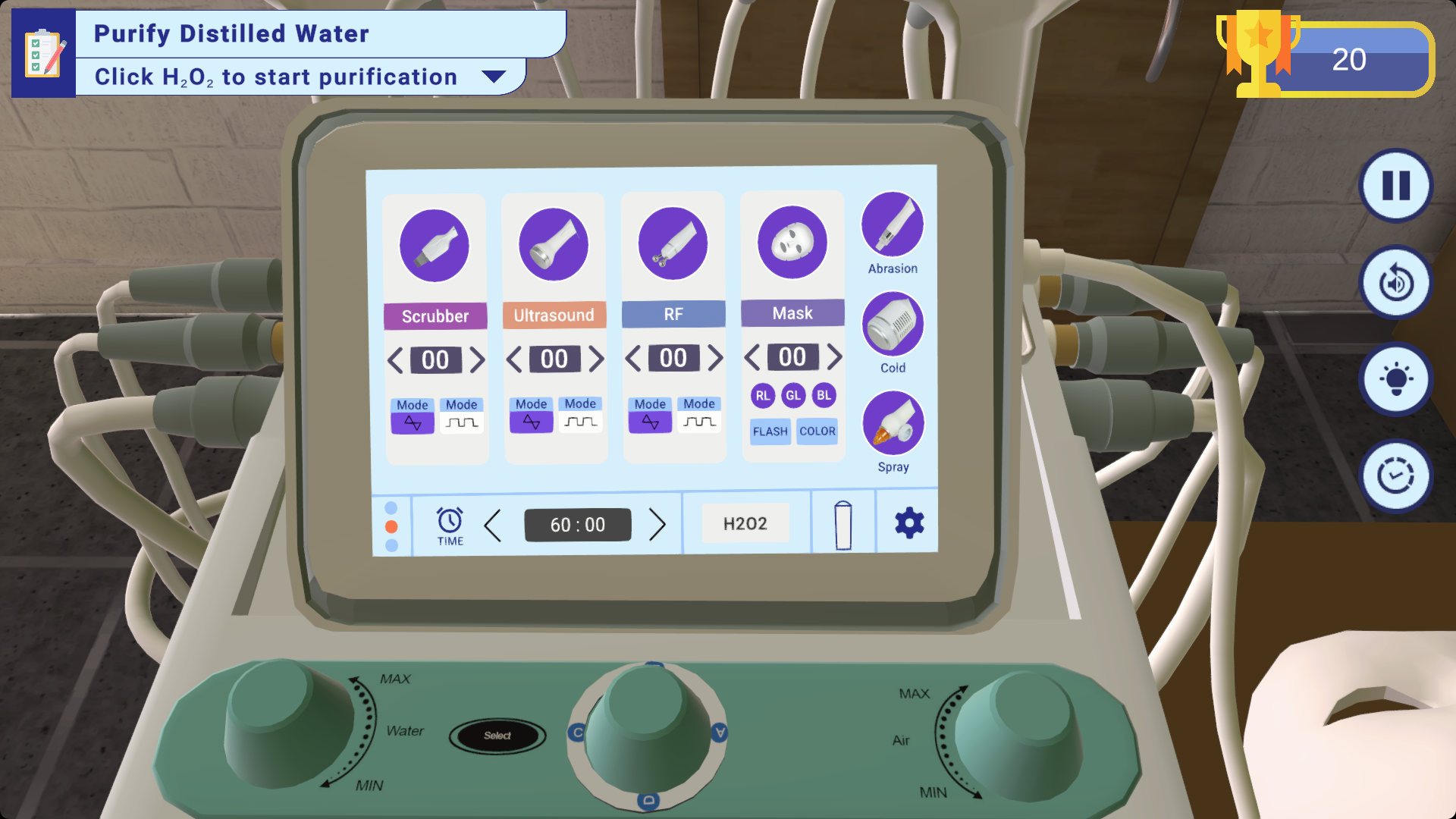
15. HydraFacial Skin Treatment
Beauty & Wellness
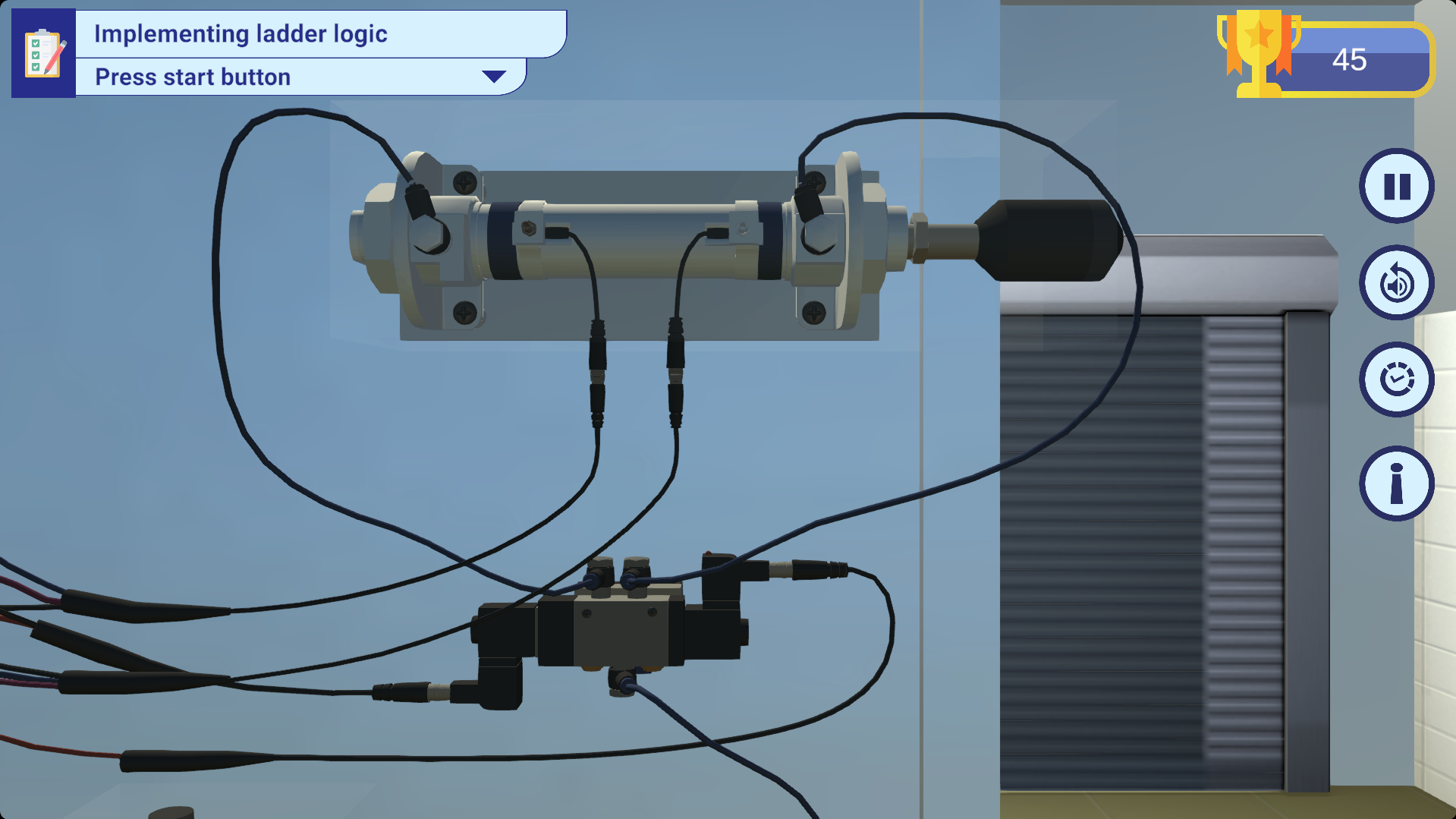
16. Programmable Logic Controller (PLC)
Production Manufacturing
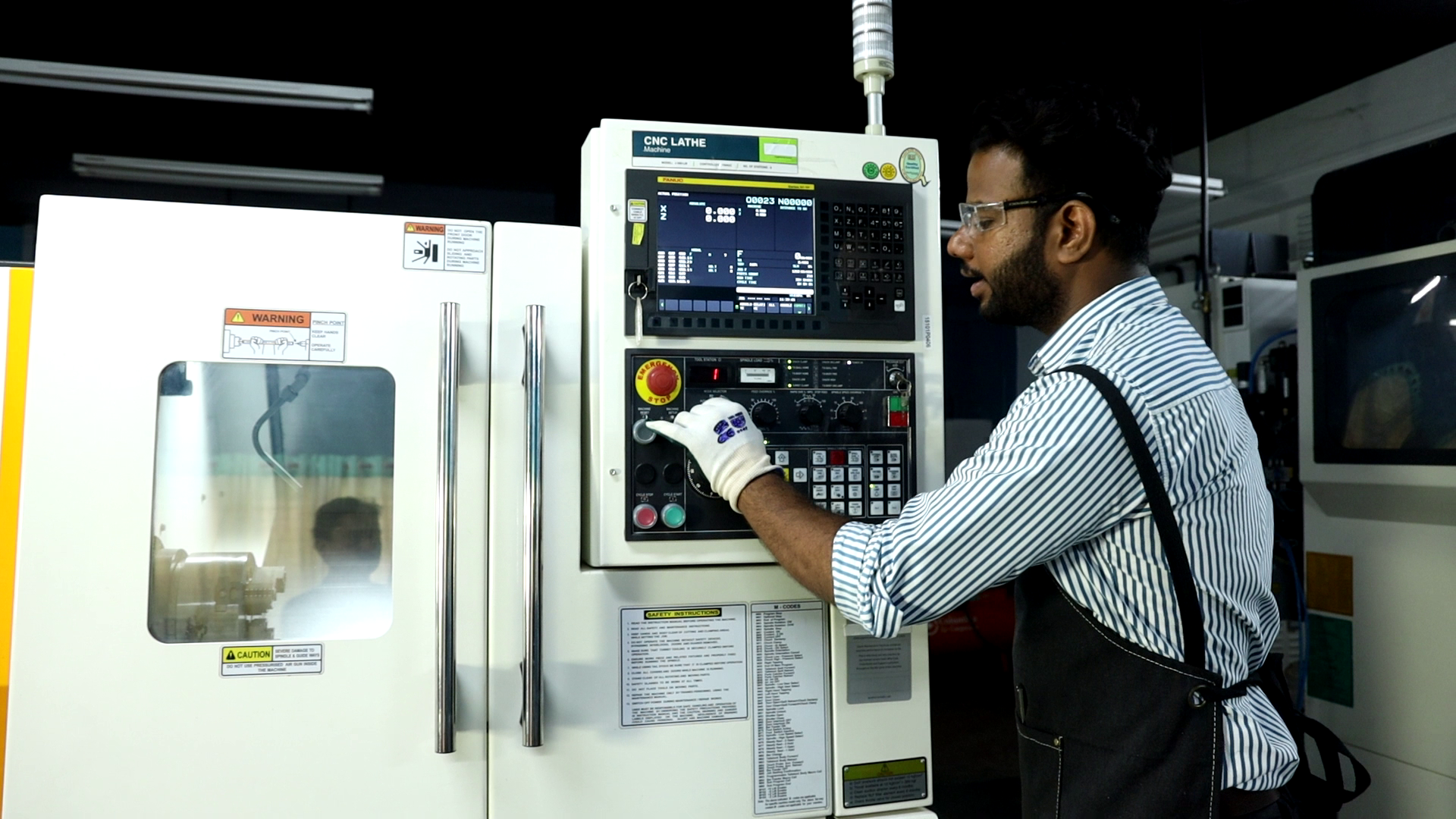
17. CNC Technology and its Applications
Production Manufacturing
18. EV Four-Wheeler and its Components
Automobile
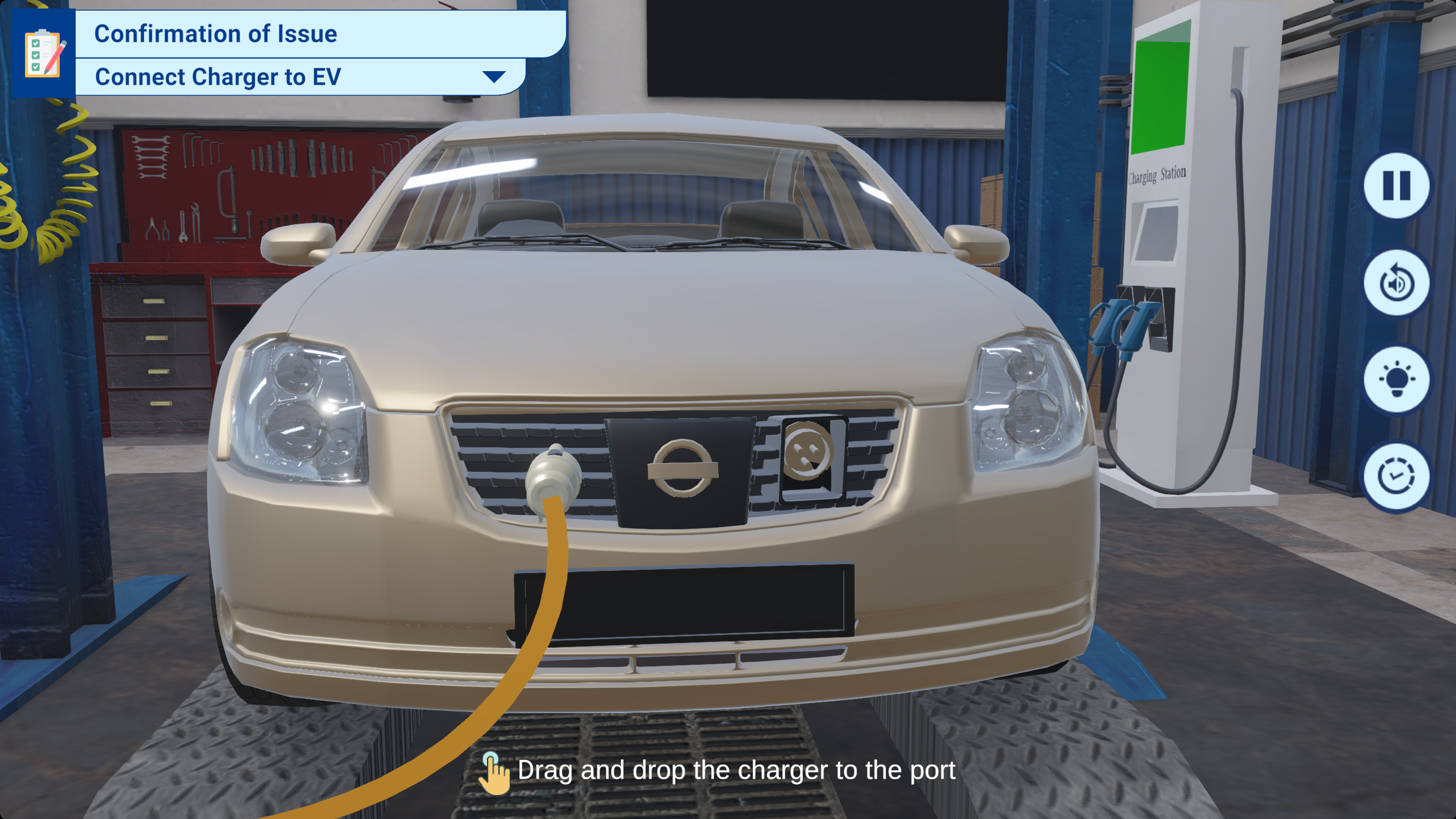
19. EV Four-Wheeler Debug AC Charging Issue
Automobile
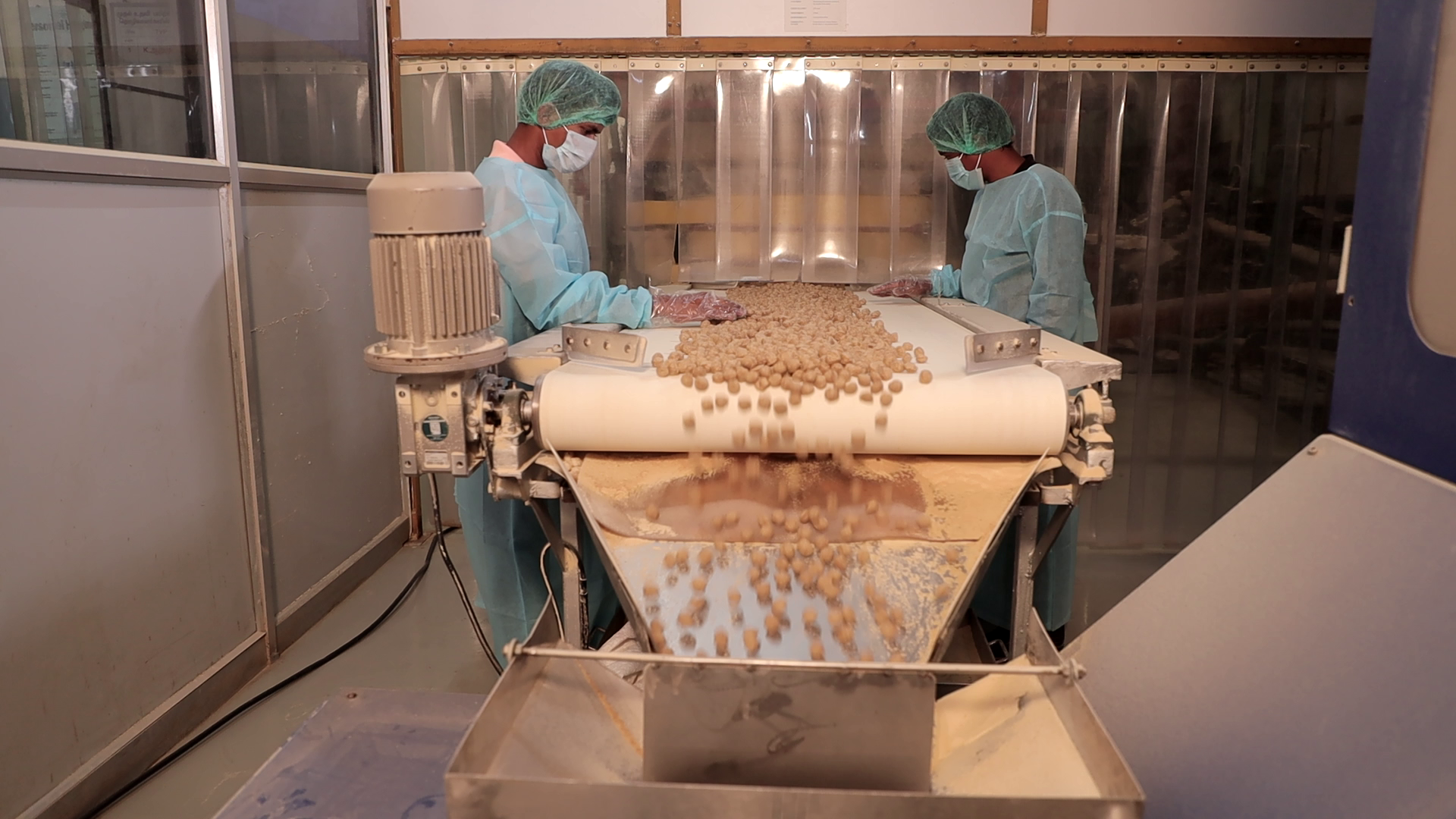
20. Soychunk processing
Food processing

Phase II — 20 VSLs

1. Assistant Lab Technician (Food & Agricultural Commodities)
Food Processing
2. Industrial Wastewater Treatment Plant Operator
Plumbing / Water Management
3. Packing Machine Operator (Food Industry)
Food Processing
4. Draughtsperson (Interior Design)
Construction / Woodwork
5. Elderly Care Companion
Healthcare / Caregivers
6. Optical Fiber Technician (OTDR Test)
Telecom
7. Automotive Robotics and Automation Manager
Automotive
8. Play School Facilitator cum Caregiver (Montessori)
Home Management
9. Automotive CNC Machining Technician (Milling)
Automotive
10. Telecom Technician — IoT Devices/Systems
Telecom
11. Industrial Baker (Cookie Production)
Food Processing
12. Food Fortification Associate
Food Processing
13. Technician Mechatronics
Automotive
14. Junior Technician Mechatronics
Automotive
15. Industrial Automation Technician
Automotive
16. Airline Cabin Crew
Aerospace & Aviation
17. Infrastructure Technician — 5G Networks
Telecom
18. Fundamentals of AI in Retail
Organised Retail
19. Automobile Diagnostic Technician
Automotive
20. Solar Panel Installation Technician
Electronics

Design & Development Approach

Each Virtual Skill Lab was developed following a pedagogically grounded process that emphasised scientific accuracy, interactivity, and accessibility. The approach comprised storyboard development with subject-matter expert validation, followed by graphic design, 2D/3D animation, video production with professional voiceover, interactive simulation development, and bilingual localisation (English and Hindi).

The simulations were designed as mobile-first applications, built from the ground up for touch-based interaction on standard smartphones. This deliberate design choice ensures that learners are not dependent on desktops or specialised hardware — they can practise skills anywhere, anytime, using the device most readily available to them. The responsive interface, optimised 3D rendering, and intuitive touch controls were all engineered to deliver a seamless learning experience on mobile screens.

To validate both usability and learning effectiveness, focus groups of students were formed during the development process. These sessions provided structured feedback on interface intuitiveness, clarity of instructional content, simulation fidelity, and overall learning outcomes. Insights from focus-group evaluations were iteratively incorporated into the design, ensuring that the final VSLs met real learner needs. Formal user acceptance testing was also conducted, with a benchmark of at least 50% of students demonstrating the ability to answer questions and perform tasks from the virtual labs.

The project includes a three-year on-site comprehensive warranty and Annual Maintenance Contract (AMC) for all 40 VSLs, covering both 3D and 2D simulation components.

Why Mobile-Accessible 3D Simulations Matter

The 3D simulations at the heart of each Virtual Skill Lab offer distinct pedagogical and practical advantages over traditional training methods, particularly when made accessible on mobile devices.

🔁
Risk-Free Repeated Practice
Learners can practise complex procedures — from CPR to CNC machining — as many times as needed without risk of injury, equipment damage, or material waste. This unlimited repetition builds muscle memory and procedural confidence before learners encounter real-world equipment.
📱
Learn Anywhere, on Any Smartphone
By running directly on standard smartphones via a mobile browser, the simulations eliminate the need for expensive lab infrastructure or specialised hardware. A learner in a remote village has the same access to a virtual solar panel installation lab as one in a metropolitan training centre.
🎓
Bridging Theory and Practice
Interactive 3D environments allow learners to visualise internal components, cross-sections, and processes that are invisible in real life — such as electrical flow in an EV motor controller or fibre-optic signal paths. This deepens conceptual understanding in ways that textbooks and videos alone cannot.
📈
Scalable and Cost-Effective
A single VSL can serve an unlimited number of learners simultaneously across the country, at near-zero marginal cost. This makes high-quality simulation-based training economically viable at the scale India's vocational education system demands.
🌐
Equitable Access Across Geographies
Mobile-first deployment via the DIKSHA platform democratises access to quality practical training. Students in secondary schools across Tier-2 and Tier-3 cities, rural areas, and underserved communities can access the same immersive learning experiences as those in well-equipped urban institutions.
🛠
Self-Paced, Learner-Centred
Simulations allow each learner to progress at their own pace, revisiting difficult steps and exploring freely without the pressure of a scheduled lab session or instructor availability. Integrated assessments provide immediate feedback on performance.

Implementation & Deployment

All 40 Virtual Skill Labs have been developed, tested, and successfully uploaded to the DIKSHA platform — India's national digital infrastructure for knowledge sharing. Developed by the Ministry of Education, DIKSHA serves as the country's primary platform for distributing digital learning content to millions of learners and educators across school and vocational education. The VSLs are available on DIKSHA as structured learning collections in both English and Hindi, accessible free of charge to any learner with a smartphone or computer.

The VSLs are designed for use by secondary school students enrolled in vocational courses, as well as by vocational educators and training providers. Efforts are underway to integrate the labs into vocational curricula across schools and to onboard faculty and students over the coming months. AMMACHI Labs continues to provide technical support through a three-year Annual Maintenance Contract, ensuring that the VSLs remain functional, up-to-date, and responsive to evolving platform requirements.

Future Directions

Building on the foundation established by this project, several promising avenues for future work have been identified:
📊
Usability & Learning Outcome Studies
Conducting structured usability evaluations and learning outcome assessments with secondary school students undertaking vocational courses, as well as with VET learners at ITIs and skill development centres, to generate evidence on the pedagogical effectiveness of simulation-based vocational training.
🤖
AI-Enhanced Learning Simulations
Incorporating artificial intelligence into the simulation layer — including adaptive learning pathways that respond to individual learner performance, intelligent tutoring systems that provide real-time guidance and corrective feedback, and AI-driven analytics to help educators identify learning gaps and tailor instruction.
🎯
Advanced Scenario-Based Training
Developing branching-scenario simulations that train higher-order decision-making and problem-solving skills in vocational contexts — such as fault diagnosis in automotive systems, emergency response protocols in healthcare, or quality-control decisions in food processing — moving beyond procedural training to develop critical thinking and professional judgement.

TYPE AND PRESS "ENTER" TO SEARCH