


An ICSSR-supported interdisciplinary workshop explored how cultural narratives can shape public policy, institutional practices, maternal well-being and gender-responsive systems of care.
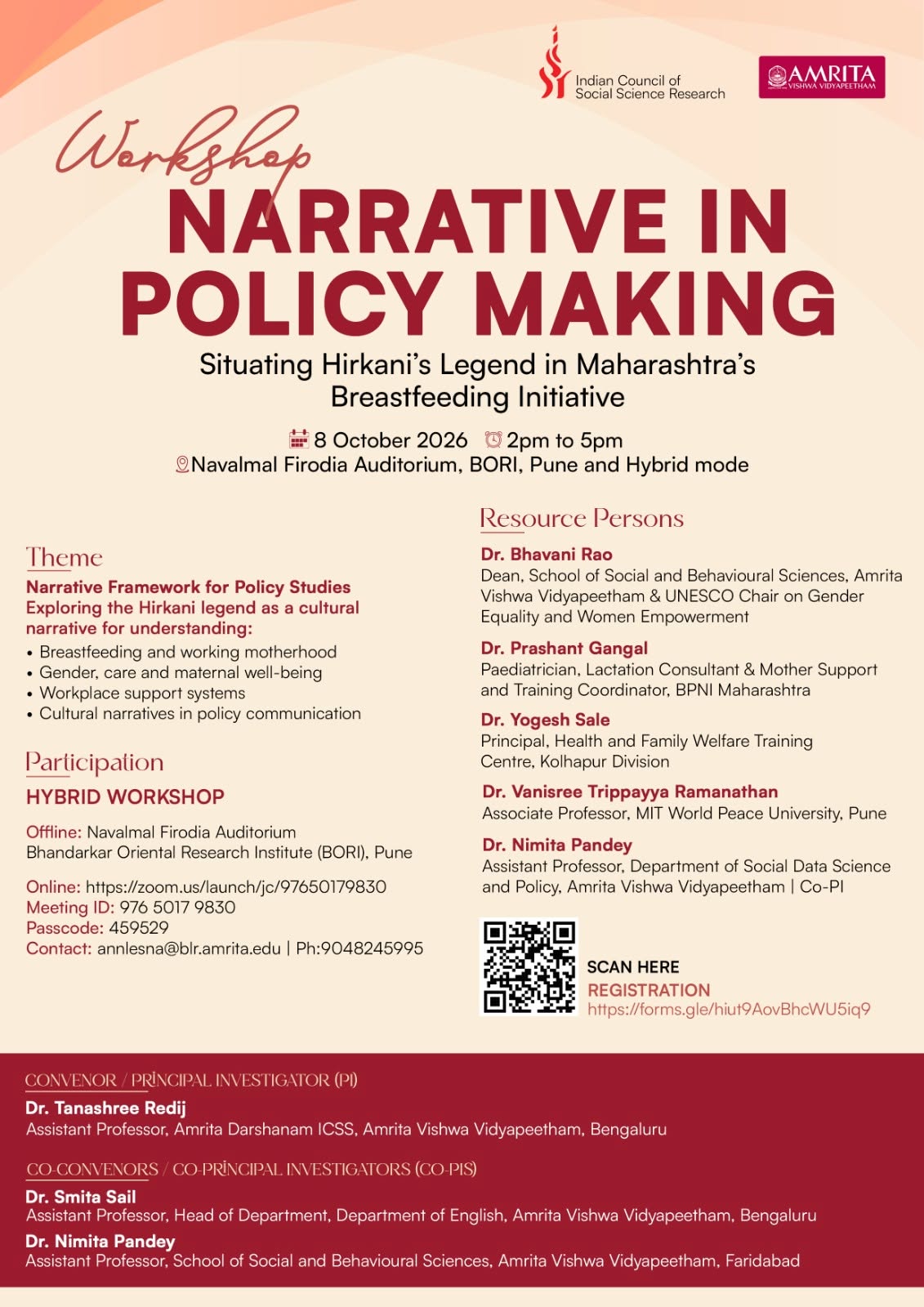
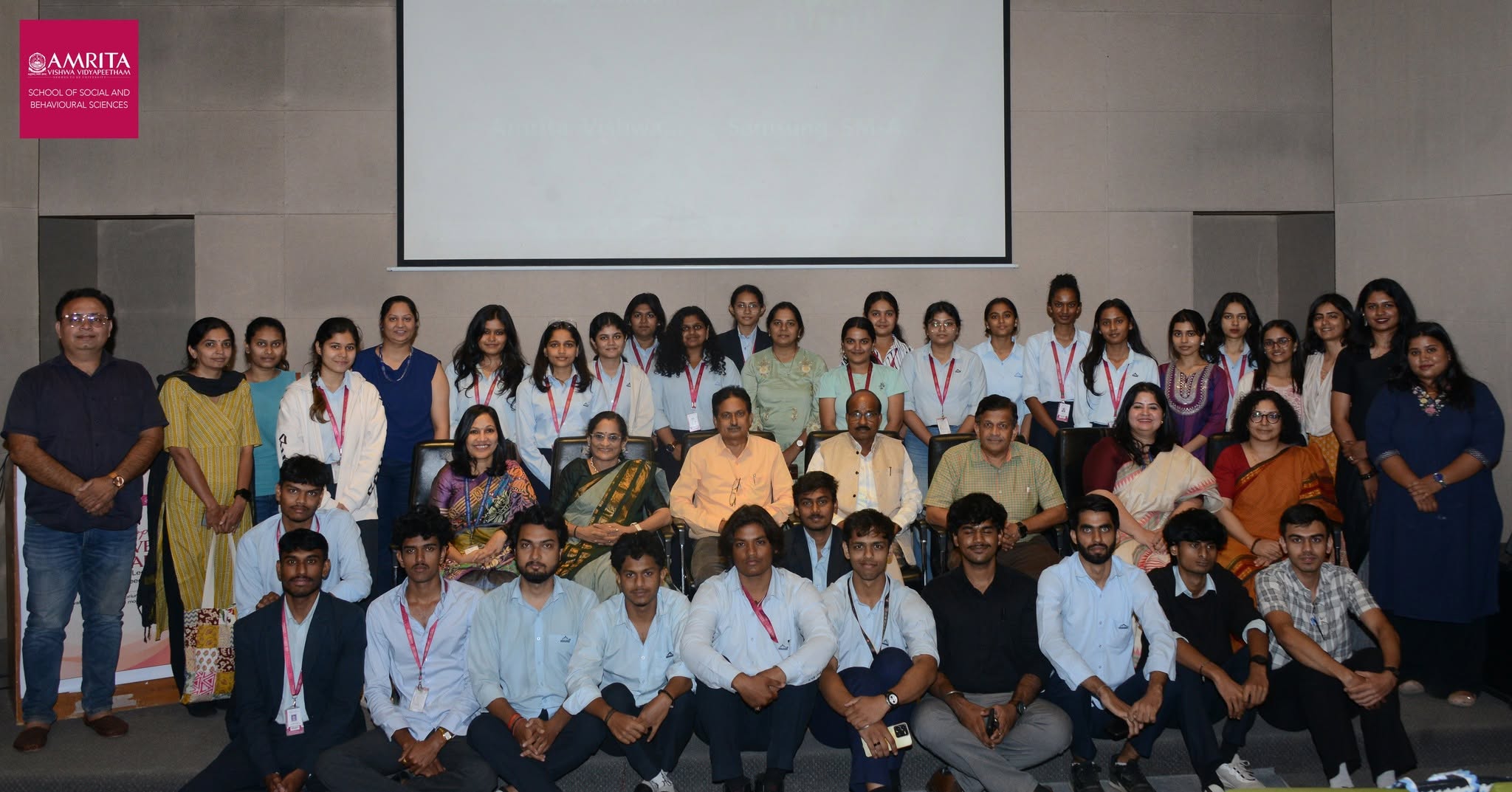
On 8 October 2026, an ICSSR-supported workshop titled “Narrative in Policy Making: Situating Hirkani’s Legend in Maharashtra’s Breastfeeding Initiative” was held at the Bhandarkar Oriental Research Institute (BORI), Pune. The interdisciplinary workshop explored how cultural narratives can influence public policy, institutional practices and social change.
The workshop examined the connection between the legendary courage of Hirkani and Maharashtra’s Hirkani Kaksh initiative, bringing together perspectives on cultural memory, maternal well-being, gender, caregiving and public policy.
Stories, Policy and Institutional Change
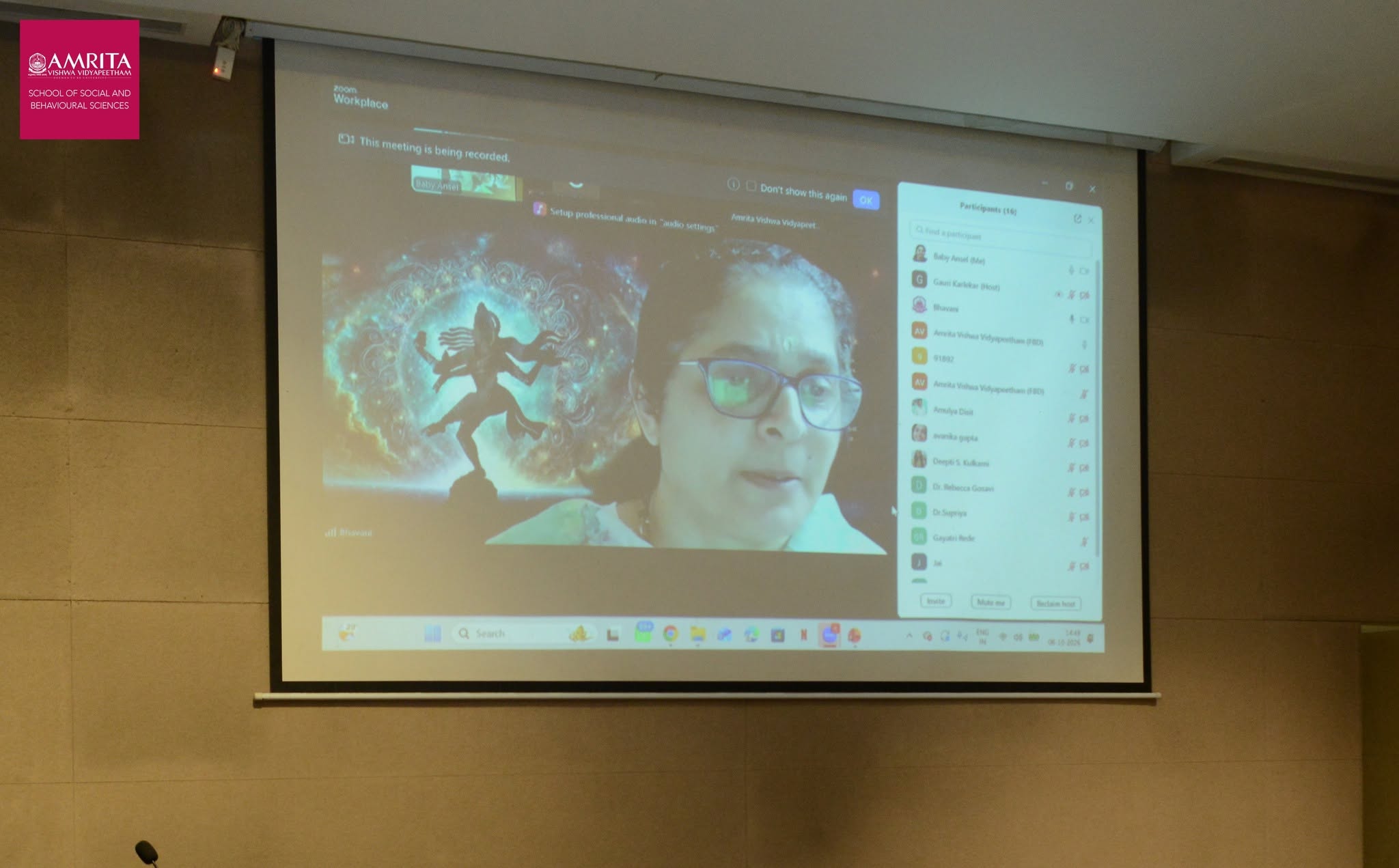
Dr. Bhavani Rao, Dean of the Amrita School of Social and Behavioural Sciences (SSBS) and UNESCO Chair on Gender Equality and Women Empowerment, shared two overarching reflections in her special remarks.
Policies Are Also Built from Stories
Narratives influence whose struggles become visible, how social problems are framed and which solutions are considered possible.
Change the Institution, Not the Mother
Hirkani’s courage should inspire institutions to remove barriers to care rather than normalise the sacrifices women make to access it.
“Change the institution, not the mother.”
Translating Narratives into Equitable Practice
Dr. Nimita Pandey, Assistant Professor at Amrita School of Social and Behavioural Sciences, Faridabad, and Co-Principal Investigator, drew on fieldwork across formal and informal workplaces to reflect on whose care needs are recognised and whose remain overlooked.
Her reflections highlighted how the Narrative Policy Framework can help translate cultural narratives and global recommendations into equitable, locally responsive and sustainable institutional practices.
Interdisciplinary Perspectives
The discussions were further enriched by Dr. Prashant Gangal, Dr. Yogesh Sale, and Dr. Vanisree Trippayya Ramanathan, who brought diverse perspectives from maternal healthcare, lactation support, health and family welfare, and gender studies.
Building Supportive Systems of Care
The workshop highlighted the importance of moving beyond narratives that celebrate women’s individual resilience towards institutional approaches that recognise care as a shared social responsibility.
By connecting cultural memory with contemporary policy challenges, the dialogue offered valuable insights into creating more supportive and equitable systems for breastfeeding and maternal well-being.
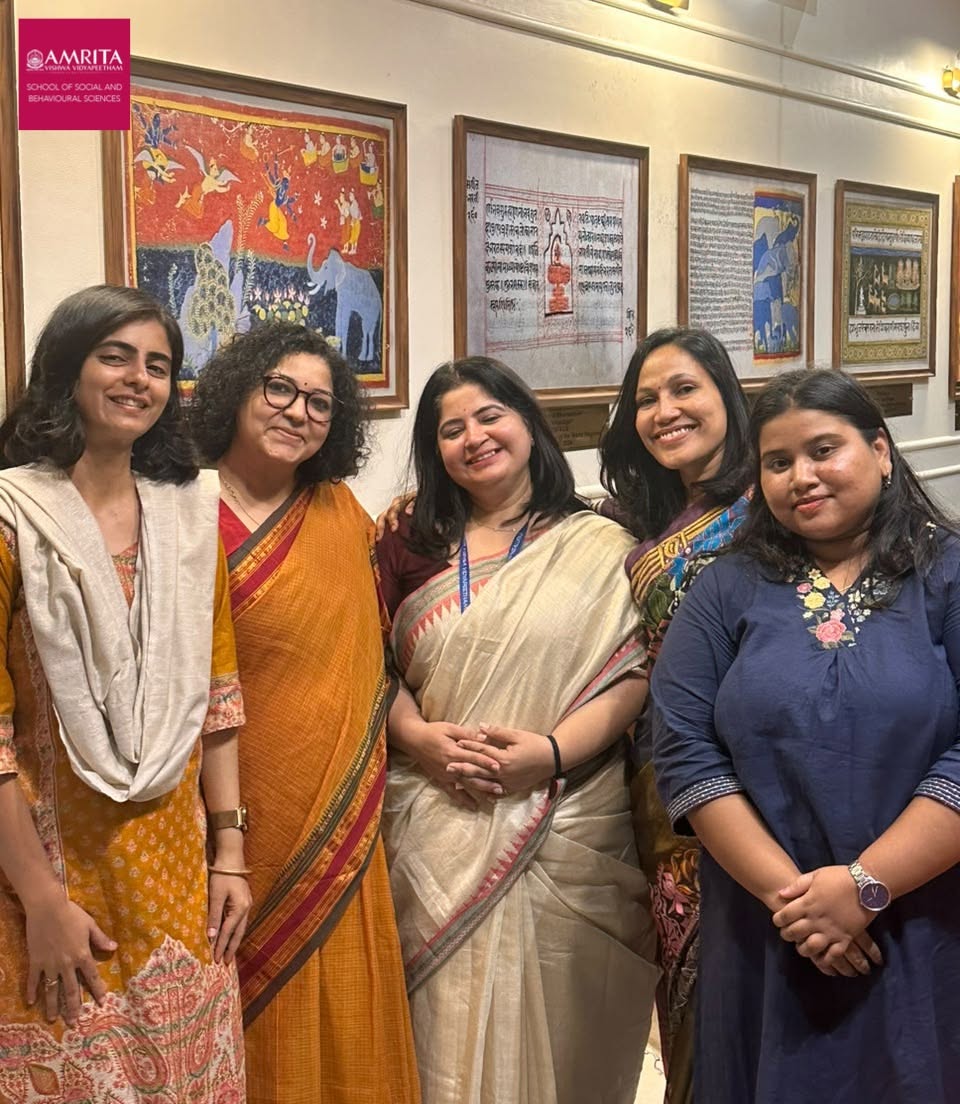
Special appreciation goes to Dr. Tanashree Redij (PI) and Dr. Smita Sail (Co-PI) from Amrita’s Bengaluru campus for organising this interdisciplinary dialogue, with support from the Indian Council of Social Science Research (ICSSR), New Delhi.
Advancing Gender-Responsive Systems of Care
From Cultural Memory to Institutional Change
The workshop reaffirmed the value of connecting lived experiences, cultural narratives and policy thinking to build institutions that better recognise and support the realities of care.