Project Background & Motivation
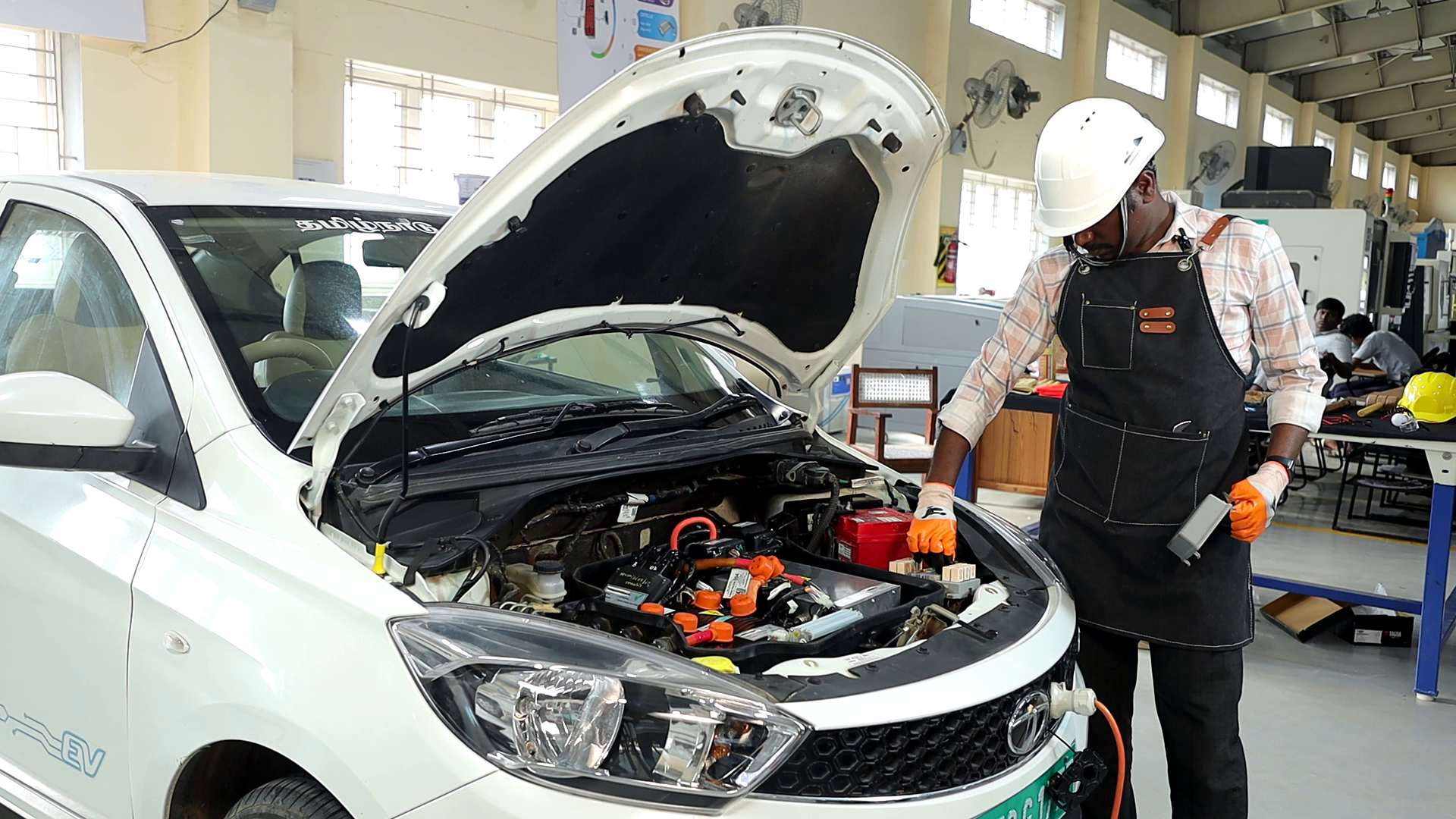
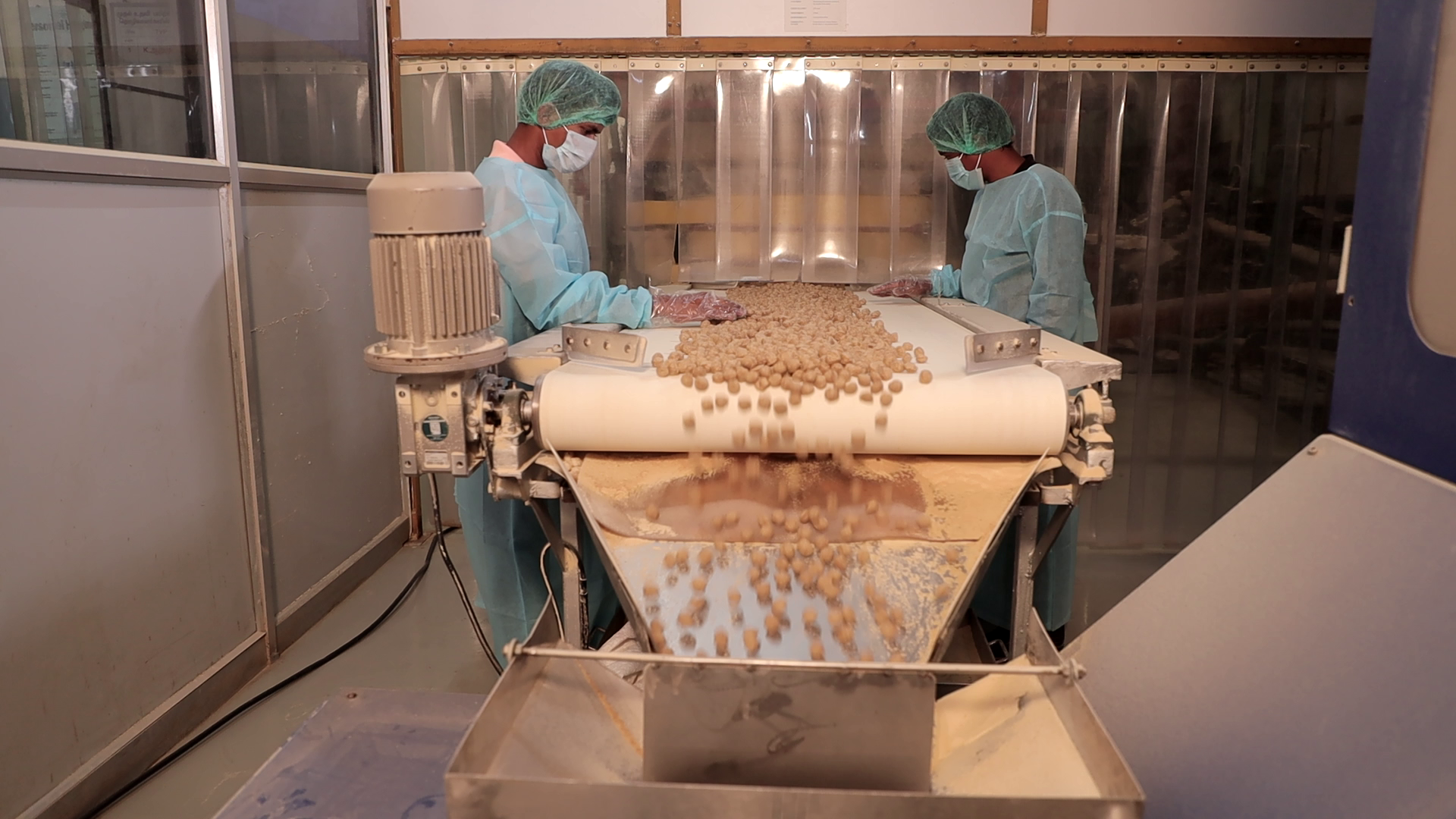
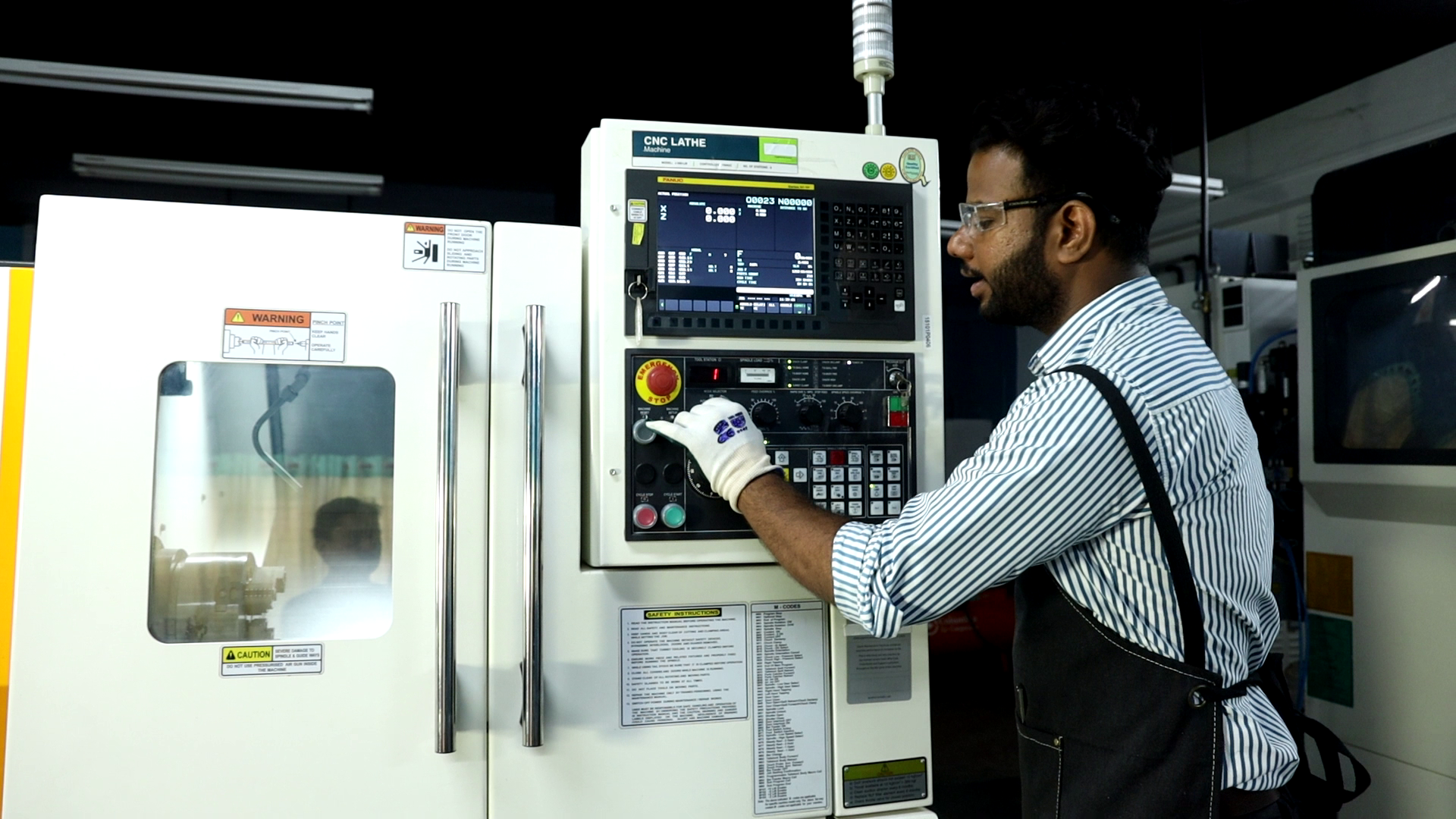
India's vocational education ecosystem is undergoing a significant transformation. The National Education Policy (NEP) 2020 emphasises the integration of vocational education starting from secondary school, envisioning that by 2025, at least 50% of learners in the school and higher education system will have exposure to vocational skills. Pandit Sunderlal Sharma Central Institute of Vocational Education (PSSCIVE), Bhopal — a constituent unit of NCERT — plays a central role in this vision, developing curricula and learning resources for vocational subjects offered in secondary and senior secondary schools across the country. However, a persistent challenge in vocational education at the school level is the gap between theoretical instruction and meaningful hands-on practice. Many secondary schools offering vocational courses lack the specialised equipment, consumables, and trained instructors needed to deliver quality practical training. Students studying trades such as healthcare, automotive technology, food processing, or telecommunications often complete their courses with limited exposure to the actual tools and procedures of their chosen vocation. This gap undermines both learning outcomes and employability. Virtual Skill Labs (VSLs) offer a compelling solution. By providing interactive, simulation-based learning experiences, VSLs enable learners to practise cognitive and psychomotor skills in a safe, repeatable virtual environment — free from the constraints of physical infrastructure, equipment availability, or geographic location. They allow students to visualise complex processes, manipulate virtual equipment, and build procedural confidence before encountering real-world scenarios. Commissioned by EdCIL (India) Limited, this project tasks AMMACHI Labs with designing and developing 40 Virtual Skill Labs across two phases, covering job roles in Healthcare, Automotive, Food Processing, Telecom, Beauty & Wellness, Construction, Aerospace & Aviation, Electronics, Organised Retail, and Home Management. The VSLs are aligned with National Skills Qualification Framework (NSQF) job roles, produced in both English and Hindi, and deployed on the DIKSHA national learning platform for free access by secondary school students, vocational educators, and training providers.
Project Details
Scope of Work
For each of the 40 job roles, AMMACHI Labs designed, developed, and delivered a complete Virtual Skill Lab package comprising the following components:
Virtual Skill Labs Developed
Phase I — 20 VSLs
Phase II — 20 VSLs
Design & Development Approach
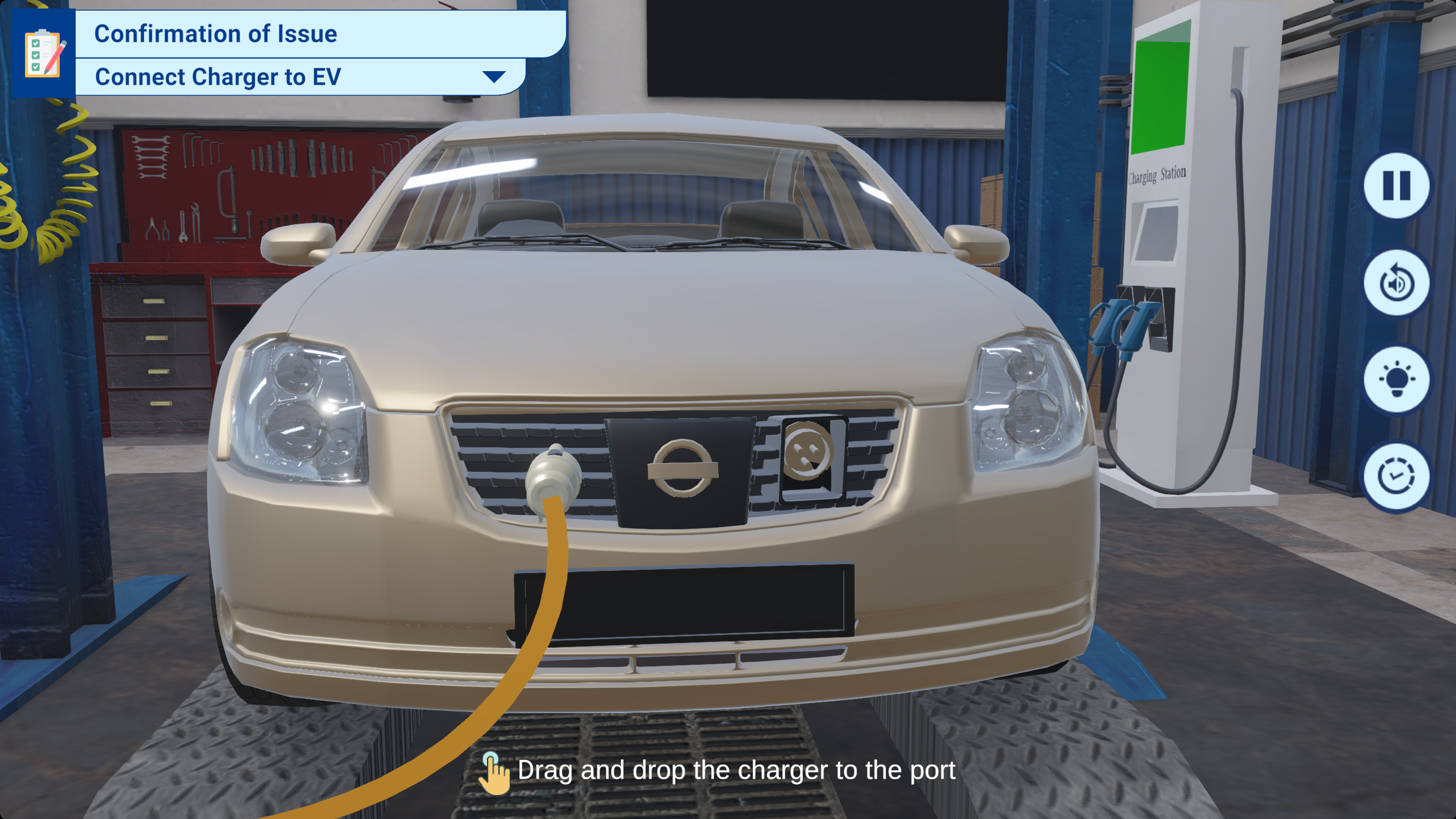
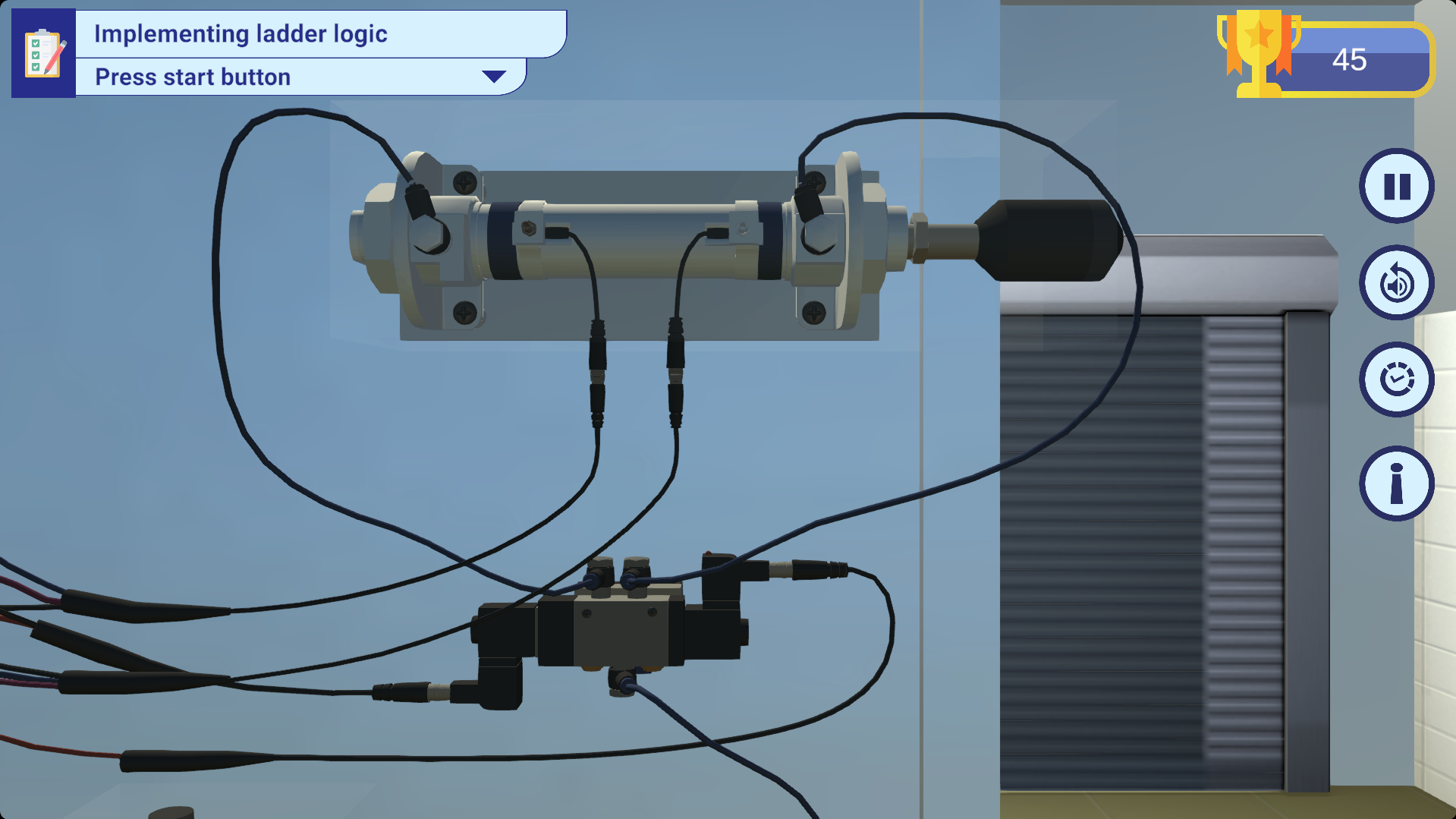
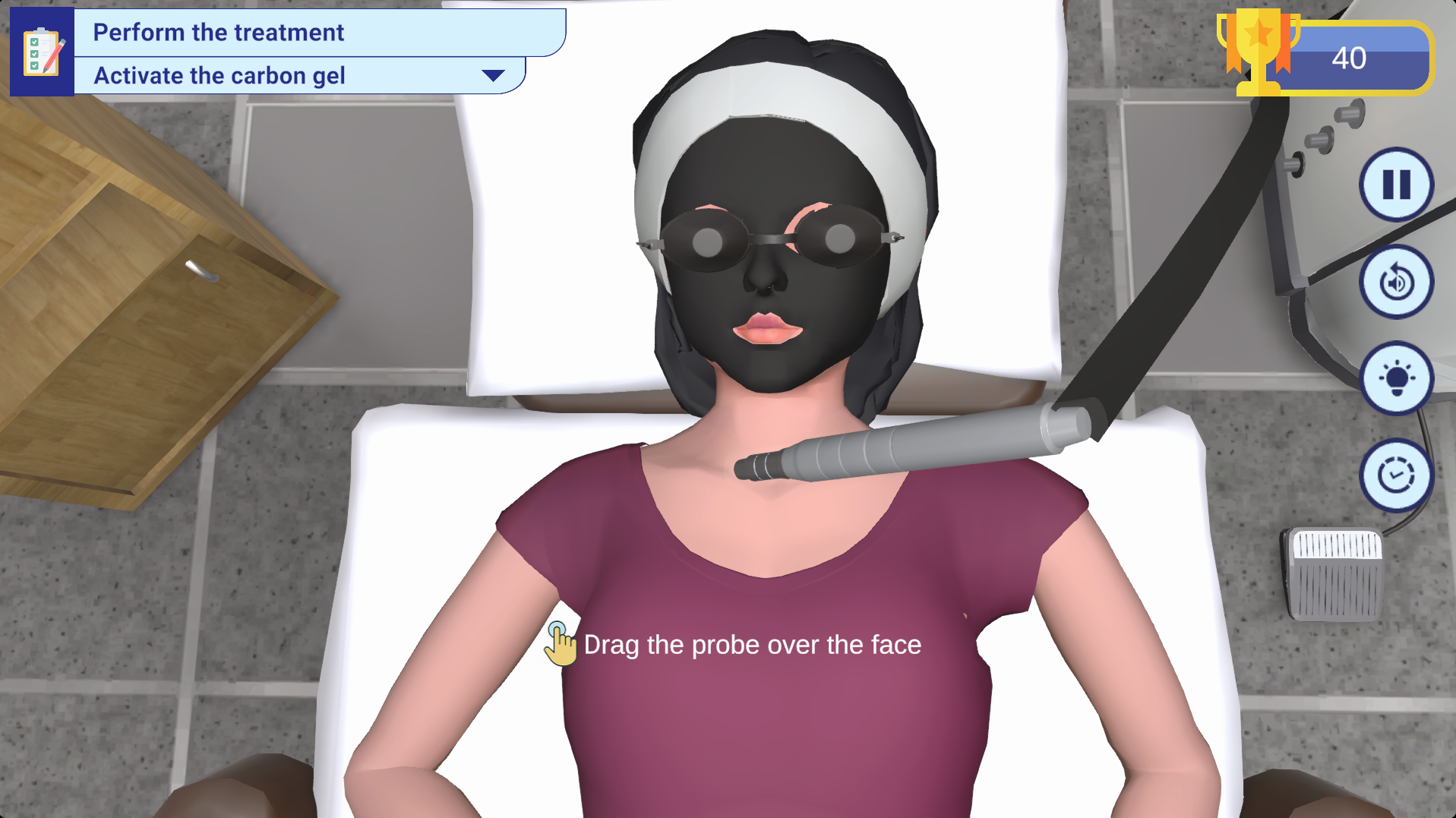
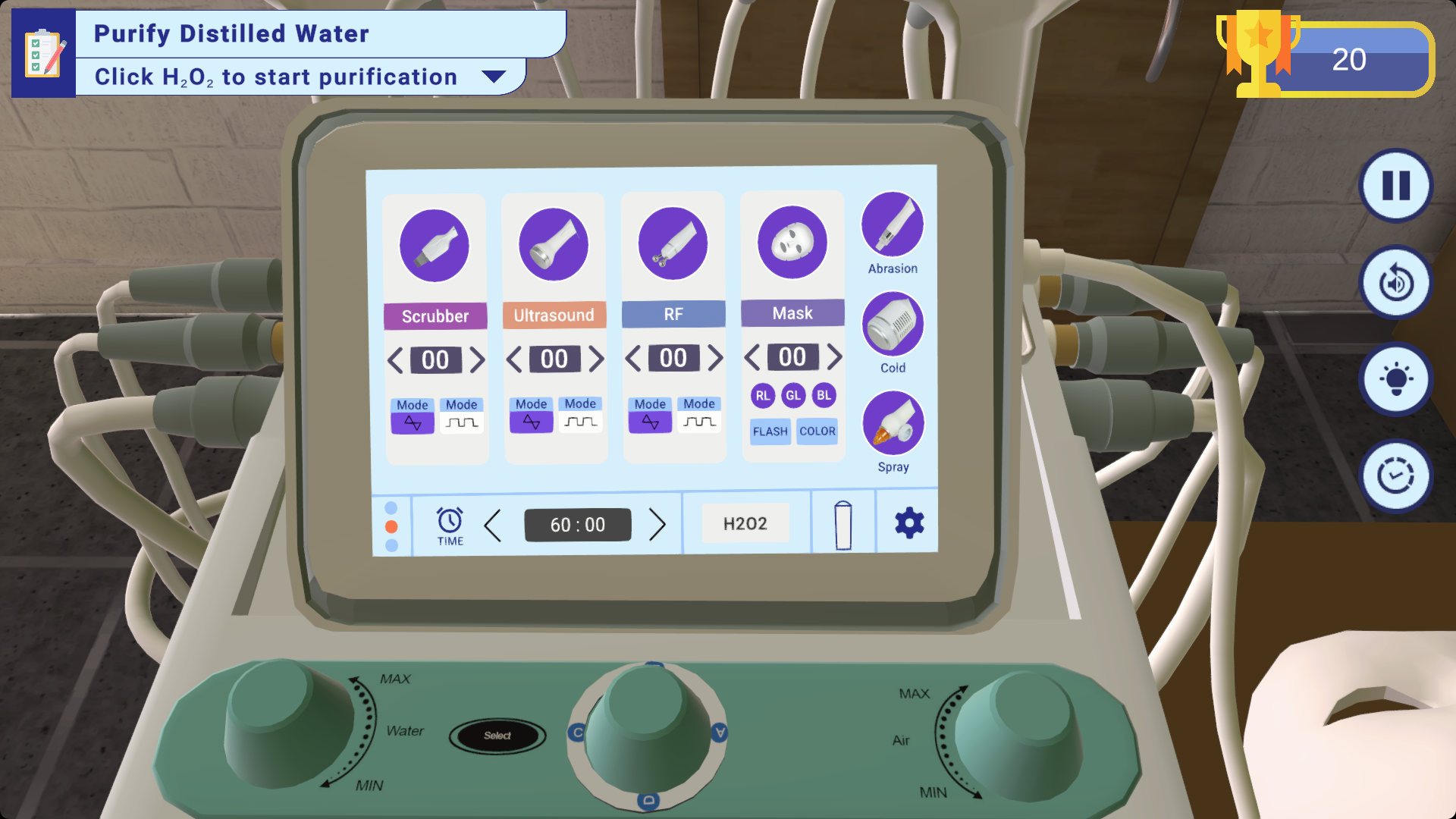
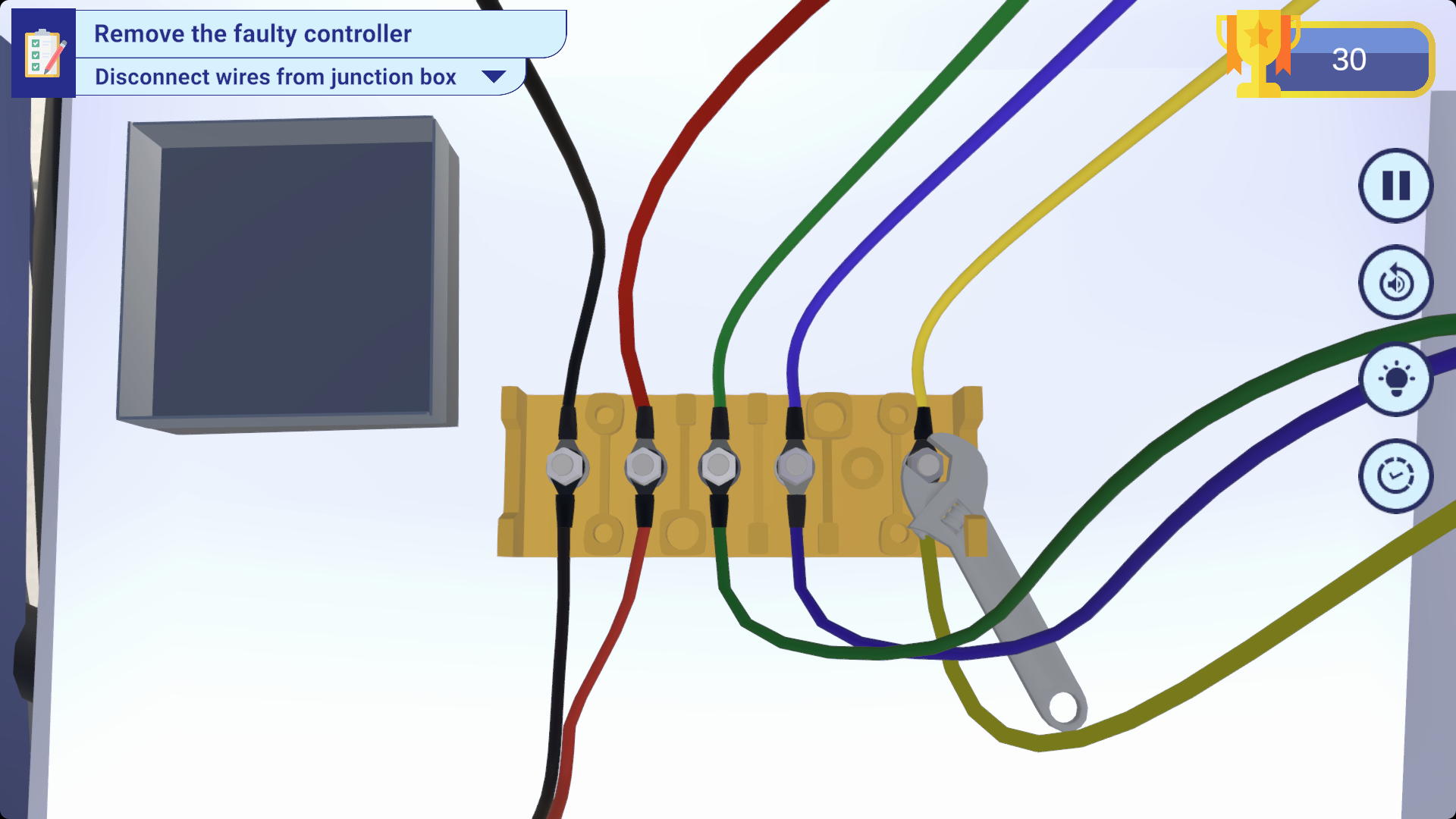
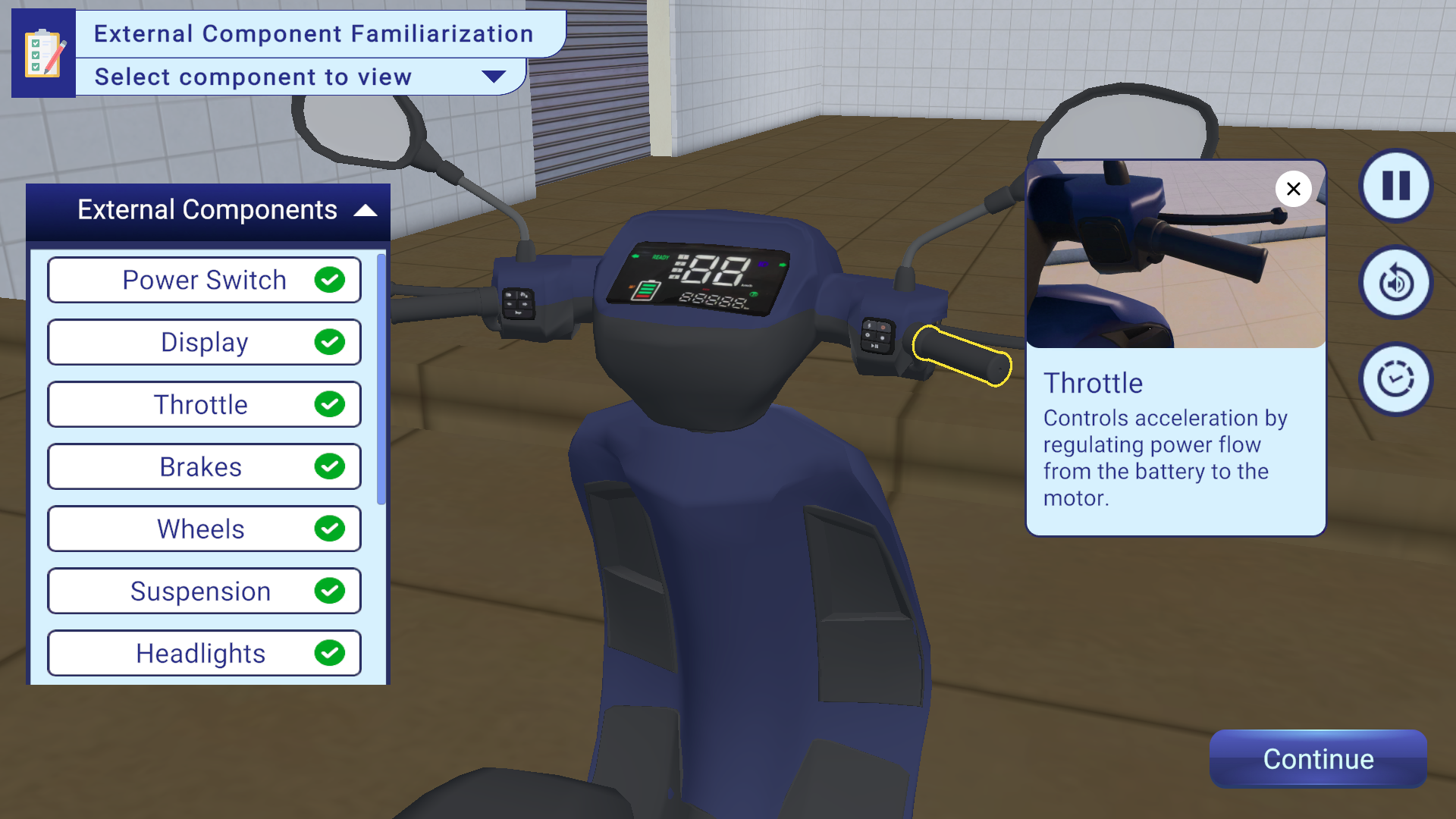
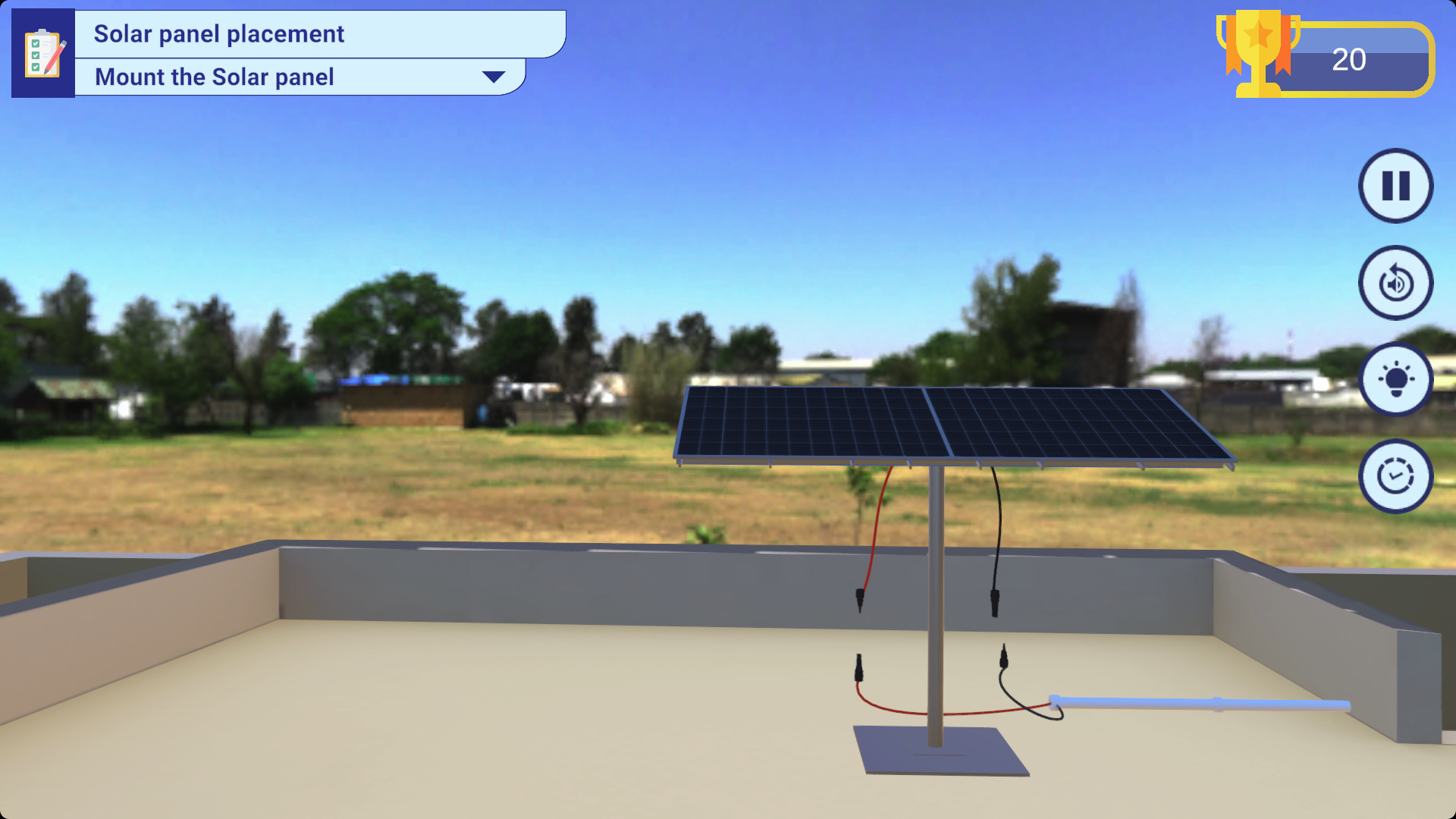
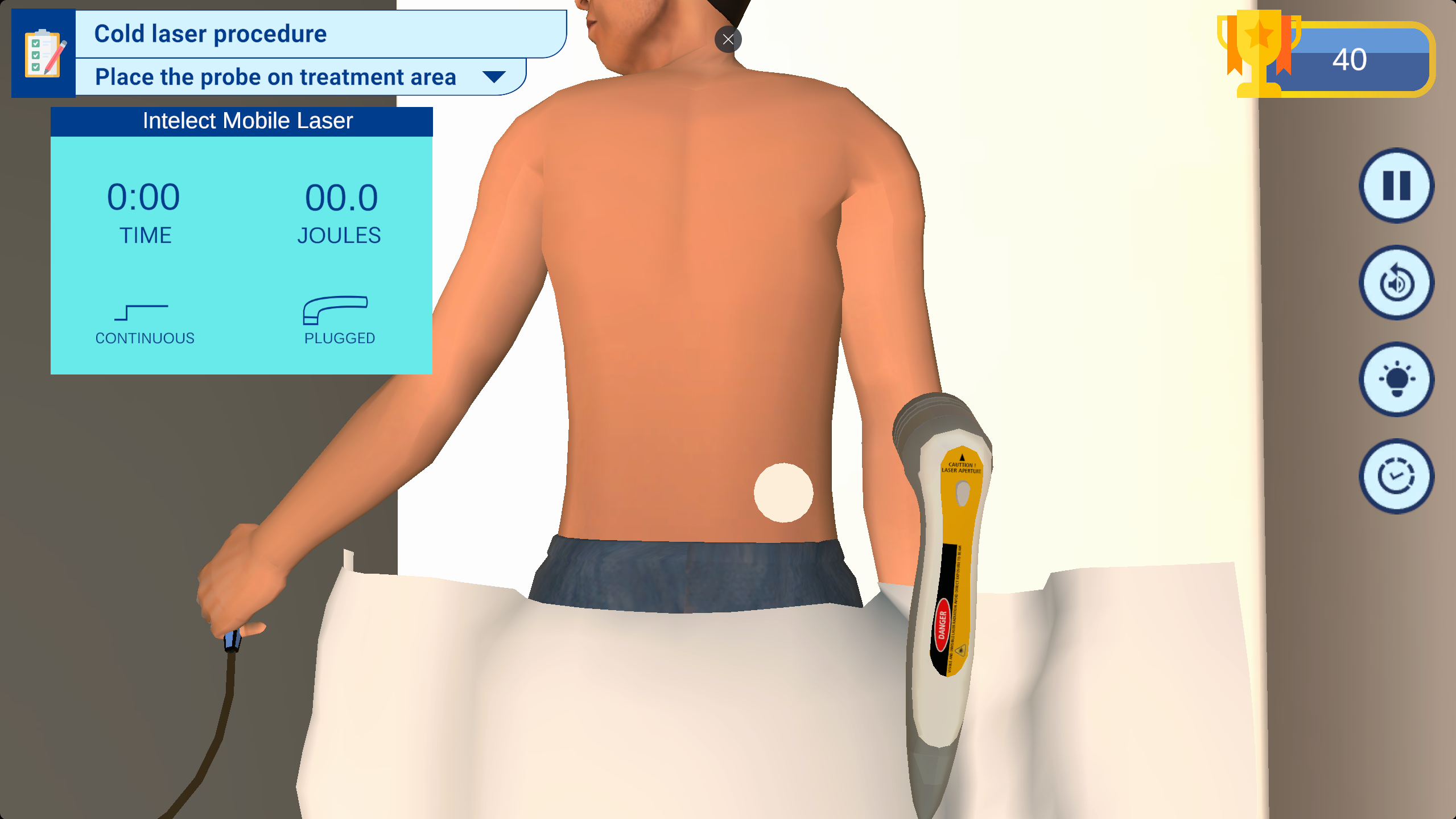
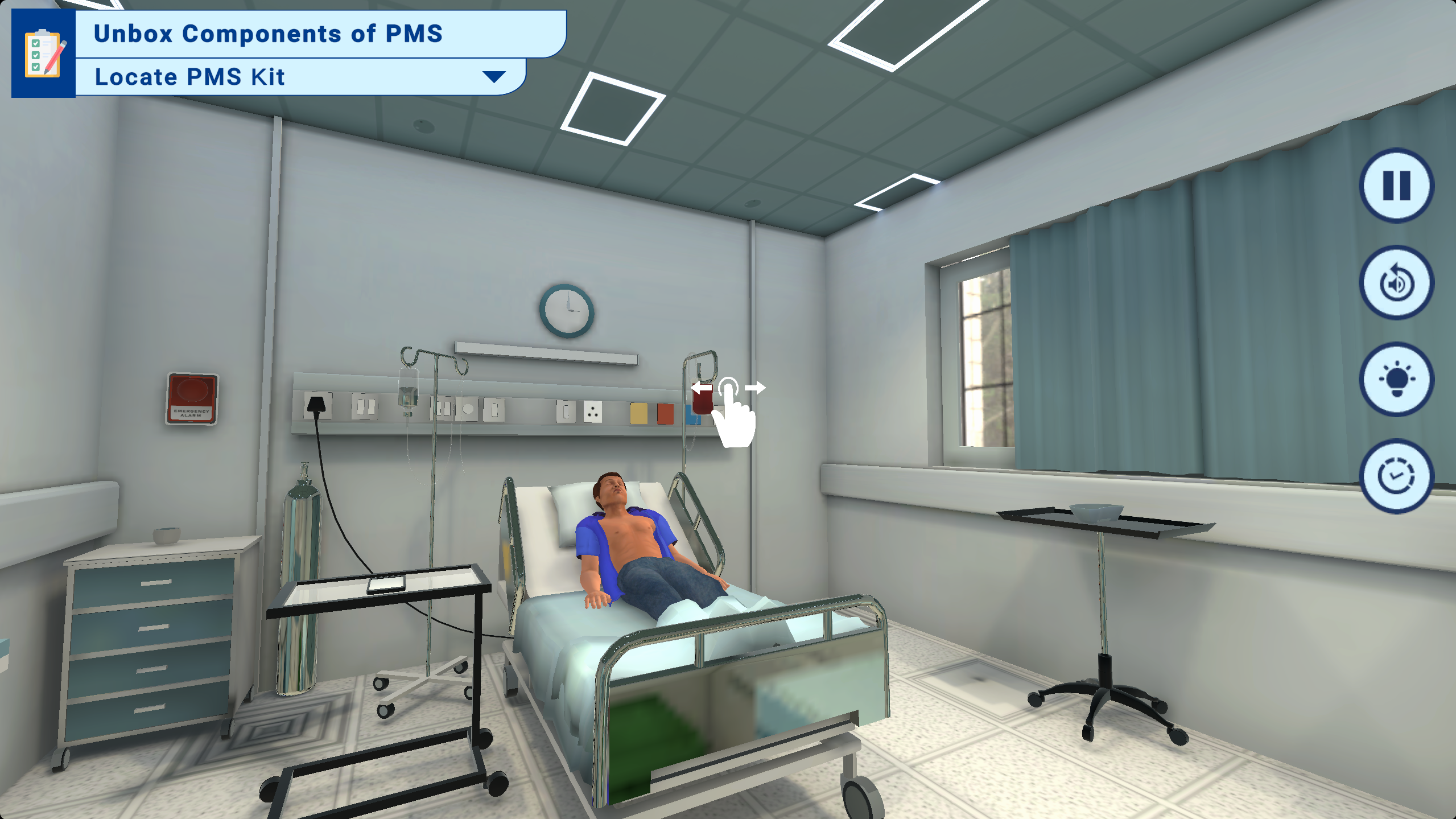
Each Virtual Skill Lab was developed following a pedagogically grounded process that emphasised scientific accuracy, interactivity, and accessibility. The approach comprised storyboard development with subject-matter expert validation, followed by graphic design, 2D/3D animation, video production with professional voiceover, interactive simulation development, and bilingual localisation (English and Hindi).
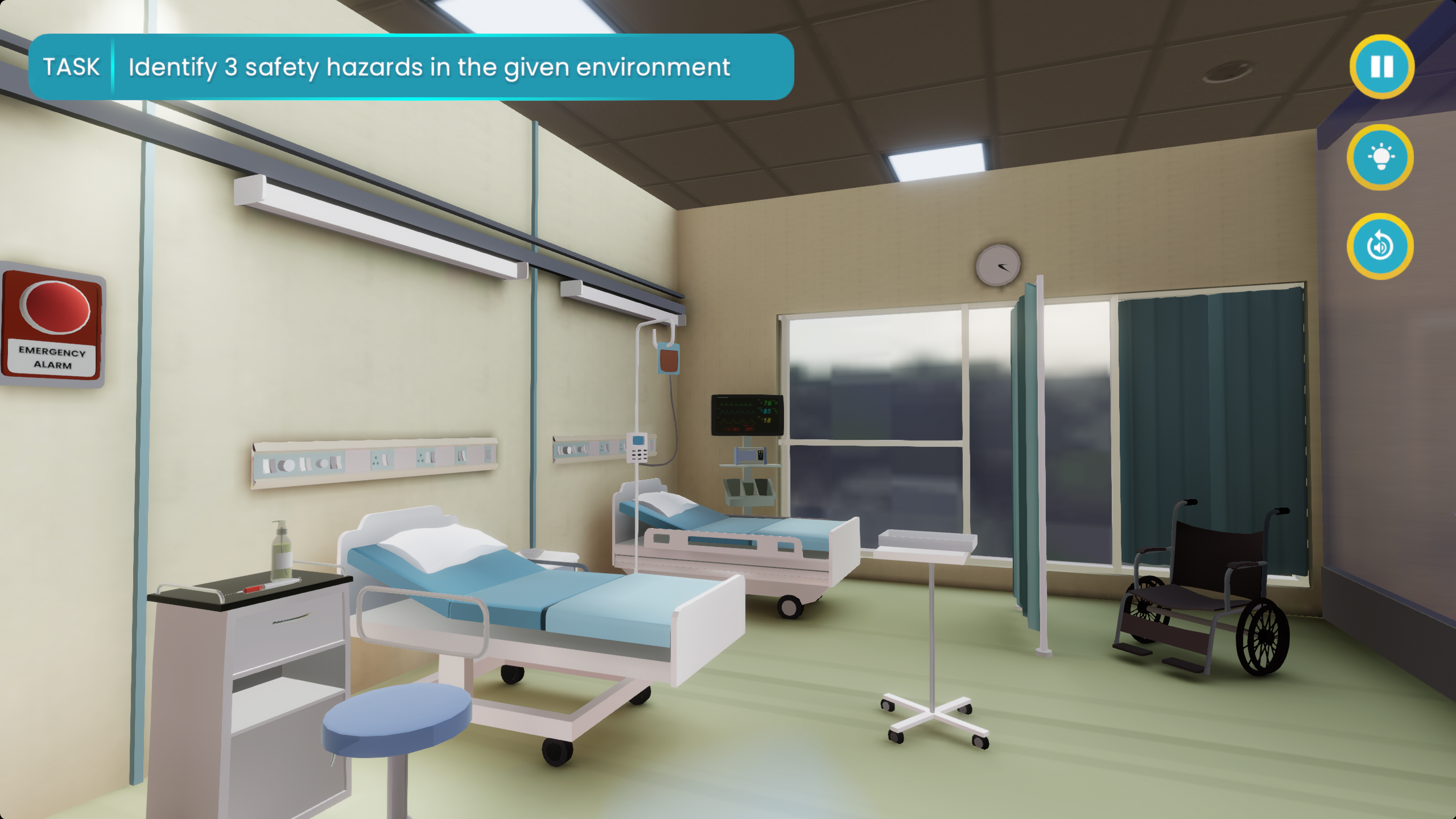
The simulations were designed as mobile-first applications, built from the ground up for touch-based interaction on standard smartphones. This deliberate design choice ensures that learners are not dependent on desktops or specialised hardware — they can practise skills anywhere, anytime, using the device most readily available to them. The responsive interface, optimised 3D rendering, and intuitive touch controls were all engineered to deliver a seamless learning experience on mobile screens.
To validate both usability and learning effectiveness, focus groups of students were formed during the development process. These sessions provided structured feedback on interface intuitiveness, clarity of instructional content, simulation fidelity, and overall learning outcomes. Insights from focus-group evaluations were iteratively incorporated into the design, ensuring that the final VSLs met real learner needs. Formal user acceptance testing was also conducted, with a benchmark of at least 50% of students demonstrating the ability to answer questions and perform tasks from the virtual labs.
The project includes a three-year on-site comprehensive warranty and Annual Maintenance Contract (AMC) for all 40 VSLs, covering both 3D and 2D simulation components.
Why Mobile-Accessible 3D Simulations Matter
The 3D simulations at the heart of each Virtual Skill Lab offer distinct pedagogical and practical advantages over traditional training methods, particularly when made accessible on mobile devices.
Implementation & Deployment
All 40 Virtual Skill Labs have been developed, tested, and successfully uploaded to the DIKSHA platform — India's national digital infrastructure for knowledge sharing. Developed by the Ministry of Education, DIKSHA serves as the country's primary platform for distributing digital learning content to millions of learners and educators across school and vocational education. The VSLs are available on DIKSHA as structured learning collections in both English and Hindi, accessible free of charge to any learner with a smartphone or computer.
The VSLs are designed for use by secondary school students enrolled in vocational courses, as well as by vocational educators and training providers. Efforts are underway to integrate the labs into vocational curricula across schools and to onboard faculty and students over the coming months. AMMACHI Labs continues to provide technical support through a three-year Annual Maintenance Contract, ensuring that the VSLs remain functional, up-to-date, and responsive to evolving platform requirements.
Future Directions
Building on the foundation established by this project, several promising avenues for future work have been identified: